Pakistan Navigates Treacherous Diplomatic Waters Over Abraham Accords
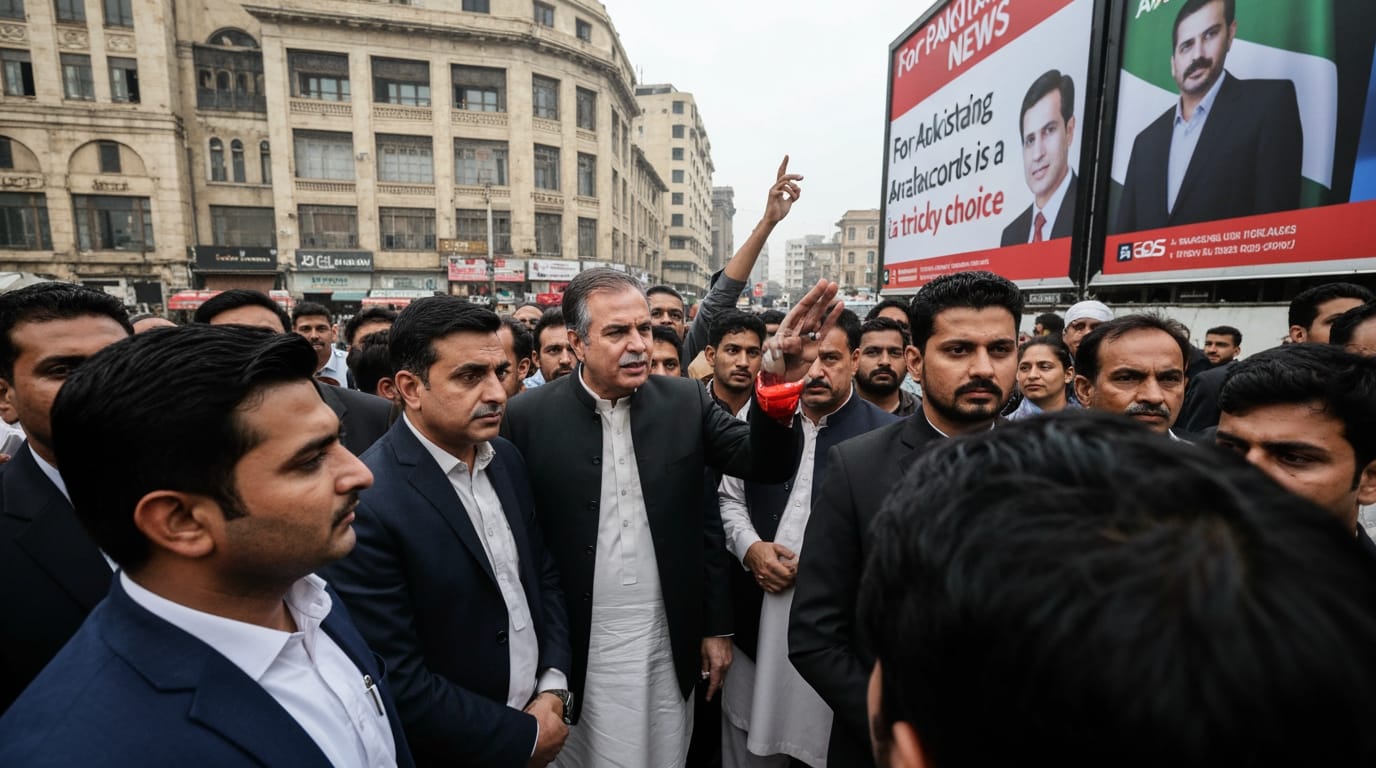
Islamabad, Pakistan – Pakistan finds itself at a critical geopolitical juncture, facing mounting pressure to consider joining the Abraham Accords, a series of U.S.-brokered normalization agreements between Israel and several Arab nations. This diplomatic overture, championed by former U.S. President Donald Trump, presents Islamabad with a complex and delicate choice, forcing a balancing act between deeply entrenched ideological commitments, evolving regional dynamics, and pressing economic realities. The nation's steadfast historical support for Palestinian statehood stands in direct contrast to the potential benefits and pressures associated with joining the Accords, creating a significant domestic and international dilemma.
Pakistan has, since its inception in 1947, maintained a policy of non-recognition of Israel, a stance rooted in unwavering solidarity with the Palestinian cause and the pursuit of an independent Palestinian state with East Jerusalem as its capital, based on pre-1967 borders. This position has been a cornerstone of its foreign policy, reflected even in its passports, which explicitly state their invalidity for travel to Israel. The Abraham Accords, initiated in 2020, aimed to normalize relations between Israel and Muslim-majority states by prioritizing economic and security cooperation, a departure from the long-held Arab League position of linking recognition to a comprehensive resolution of the Israeli-Palestinian conflict. Countries like the United Arab Emirates, Bahrain, Sudan, Morocco, and most recently Kazakhstan, have formally joined, signaling a significant shift in regional diplomacy.
The Weight of Ideology and Public Sentiment
The primary obstacle for Pakistan's potential entry into the Abraham Accords remains its profound ideological commitment to the Palestinian cause. Support for Palestinian self-determination is not merely a governmental policy but a deeply ingrained sentiment within the Pakistani populace. Any move toward recognizing Israel without a concrete and viable resolution to the Palestinian issue is widely viewed as a betrayal of fundamental principles and is expected to trigger widespread domestic political backlash and unrest.
Defence Minister Khawaja Muhammad Asif has emphatically rejected the notion of Pakistan joining the Accords, stating that Islamabad would not endorse any agreement that conflicts with the country's "fundamental ideologies." He further questioned Israel's credibility in negotiations, reflecting a broader mistrust prevalent within certain segments of Pakistani society. Public opinion polls have consistently shown overwhelming support for Palestine, with large demonstrations often held in response to Israeli military actions. This strong public sentiment makes any potential shift in policy a highly sensitive domestic issue for any ruling government. Moreover, some in Pakistan draw parallels between the Israeli-Palestinian conflict and the Kashmir dispute with India, further solidifying their anti-recognition stance.
Geopolitical Pressures and Strategic Balancing
Pakistan's diplomatic landscape is further complicated by external pressures, particularly from the United States and some Gulf allies. Former President Trump's renewed push for an expanded Abraham Accords framework has placed Pakistan in a strategic bind. While Islamabad values its relationship with Washington, particularly for financial and military assistance, it also seeks to maintain its independent foreign policy stance. The country's ongoing role as a mediator in U.S.-Iran peace talks adds another layer of complexity, as linking regional peace efforts with the expansion of the Accords could undermine its mediatory position.
The relationship with Gulf nations is also a critical factor. Pakistan maintains strong diplomatic and economic ties with several West Asian countries that, despite some having joined the Accords, still broadly support Palestinian statehood. Saudi Arabia, a key ally, has indicated its openness to joining the Abraham Accords but conditional on credible progress toward a two-state solution, a position that aligns more closely with Pakistan's traditional stance. This shared conditionality with a major regional player could provide Pakistan with some diplomatic maneuvering room. However, the expanding influence of the Abraham Accords and the growing economic and security cooperation between its signatories and other regional players mean Pakistan cannot entirely ignore these evolving dynamics.
Economic Incentives vs. Principled Stand
In an era of significant economic challenges, including a foreign debt burden exceeding $130 billion, the potential economic incentives associated with joining the Abraham Accords cannot be entirely overlooked by Islamabad. Proponents of normalization often highlight the possibilities of increased trade, investment, and technological cooperation, particularly in areas like agriculture and water management, which could help boost Pakistan's struggling economy. Furthermore, Pakistani participation could potentially unlock new economic corridors extending into Central Asia, enhancing regional connectivity and trade access to global markets for landlocked nations like Kazakhstan and Uzbekistan.
However, Pakistan has historically demonstrated a willingness to prioritize its principled stance over immediate economic gains. The current government and public opinion largely reject a transactional approach to what are considered fundamental moral questions. The Information Minister has underscored that the "entire Pakistani nation stands united when it comes to Palestine," indicating that this is not merely a government position but a reflection of national consensus, even if it entails economic costs. This delicate balance between pragmatic economic considerations and deeply held ideological principles is a central element of Pakistan's current dilemma.
Long-Term Implications and the Path Forward
The decision regarding the Abraham Accords is not merely a short-term foreign policy choice for Pakistan; it carries profound long-term implications for its regional standing, domestic stability, and strategic alliances. A shift in its non-recognition policy would represent a historic departure from decades of diplomatic tradition and could fundamentally realign Pakistan's position within the Muslim world. While some analysts argue that a gradual and carefully managed transformation of policy might be more productive, the intensity of anti-Israel sentiment among the public presents a formidable hurdle.
For now, Pakistan has firmly reiterated its position, emphasizing that recognition of Israel remains contingent on the establishment of a sovereign and viable Palestinian state. The ongoing regional instability, particularly the conflict in Gaza, has further solidified this stance, making any immediate shift highly improbable. As the geopolitical landscape continues to evolve, Pakistan's leadership faces the daunting task of navigating this complex choice, balancing external pressures with deeply ingrained national values, all while striving to protect its national interests and maintain regional stability. The tricky choice Pakistan faces underscores the enduring complexities of Middle Eastern politics and the deeply interwoven narratives of identity, faith, and statecraft.