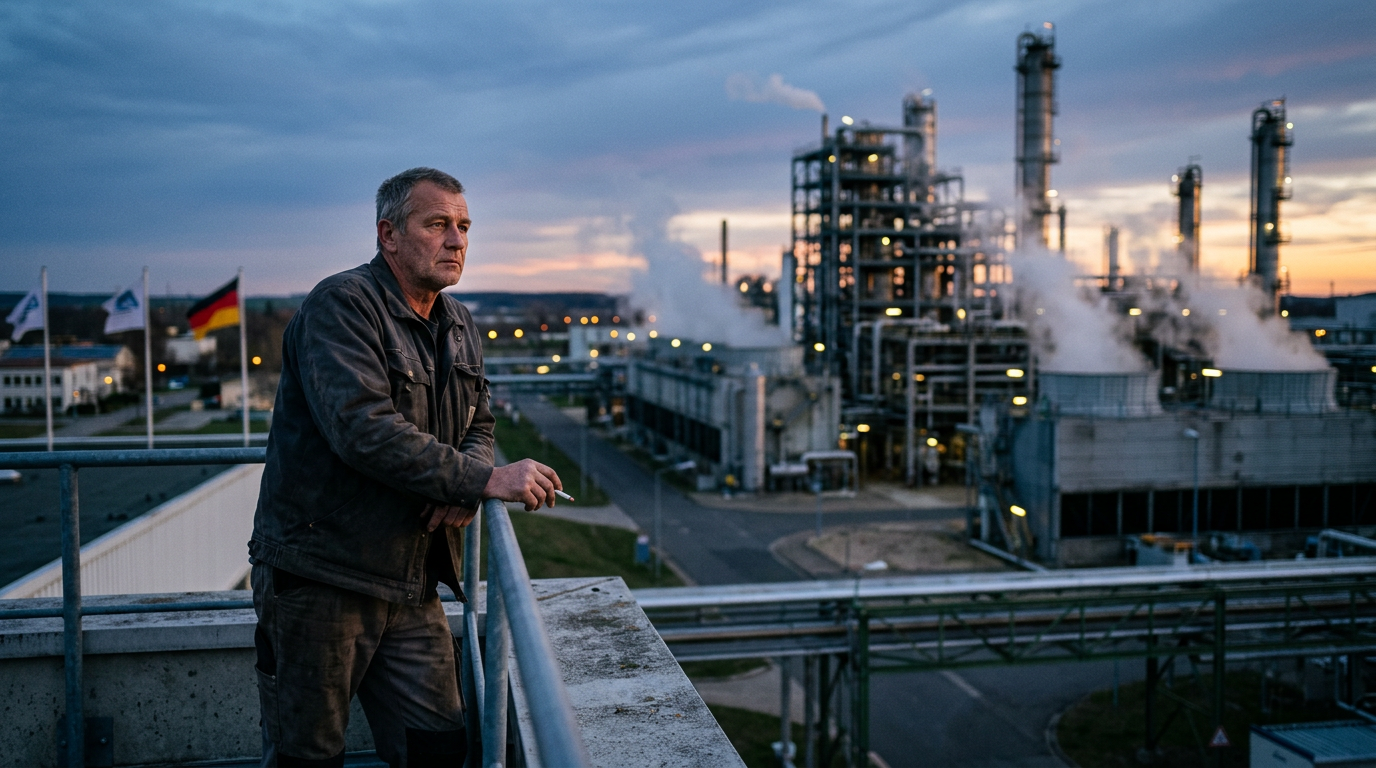
Germany's Enduring Quest for a Permanent UN Security Council Seat

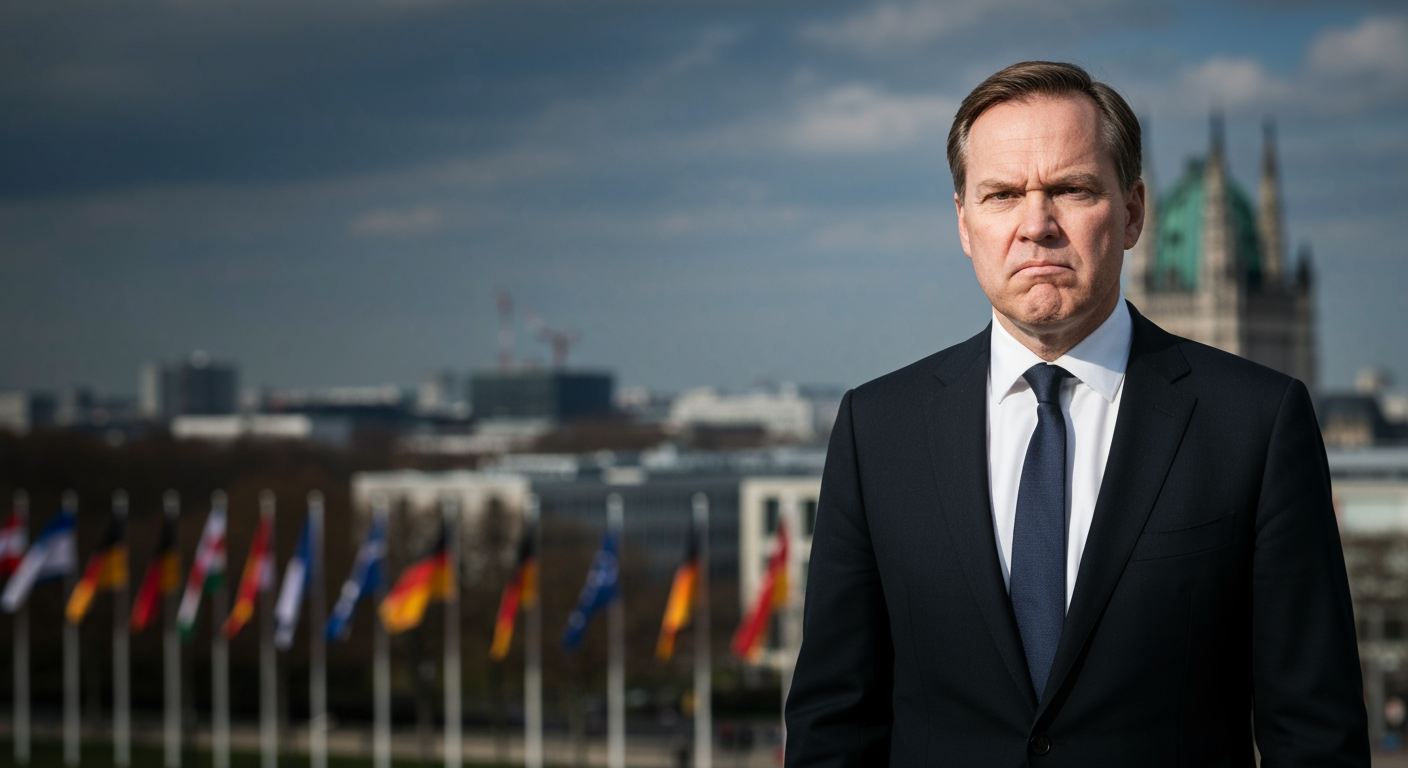
Germany continues its persistent campaign for a permanent seat on the United Nations Security Council, advocating for a significant reform of the global body to better reflect contemporary geopolitical realities. The current composition of the Security Council, established in the aftermath of World War II, is widely considered by Germany and many other nations to be an anachronism that no longer adequately represents the world's power structures or geographical diversity. Berlin argues that its substantial contributions to global peace, security, and development, coupled with its staunch commitment to multilateralism, warrant an elevated and permanent role in the UN's most powerful organ.
The Imperative for Reform: A Post-War Anomaly
The United Nations Security Council, tasked with maintaining international peace and security, comprises five permanent members (China, France, Russia, the United Kingdom, and the United States) with veto power, and ten non-permanent members elected for two-year terms. This structure, largely a product of the 1945 post-war order, faces increasing calls for reform. Germany maintains that the Council's legitimacy and effectiveness are undermined by its outdated composition, which fails to grant appropriate representation to emerging global powers and entire continents, particularly Africa and Asia. The German government emphasizes that if the Council's resolutions are to be respected and implemented universally, its composition must be representative of the 21st-century world. Decisions made by the Security Council are binding on all UN member states, highlighting the critical importance of its authority and representativeness.
Germany's global standing has evolved dramatically since 1945, transforming from an "enemy state" to a fervent proponent of multilateral cooperation. This evolution, particularly since reunification, positions Germany as a natural candidate for a permanent seat, a view shared by several other UN member states. The absence of reform, as articulated by the German government, risks shifting critical decision-making processes to other forums, which serves no nation's interest. Germany, alongside its G4 partners, supports expanding the Council to include more permanent and non-permanent members, ensuring a more geographically balanced distribution of seats and incorporating countries that make substantial contributions to the UN.
Germany's Foundational Contributions to the United Nations System
Germany substantiates its bid for a permanent Security Council seat with its significant and consistent contributions across various facets of the United Nations system. Financially, Germany stands as the second-largest overall contributor to the UN system. Specifically, for 2024, Germany is the fourth-largest contributor to the regular UN budget, providing 6.11% of the approximately $3.59 billion budget. Its commitment extends to peacekeeping, where it ranks as the fourth-largest contributor to the UN peacekeeping budget, providing 6.11% of the estimated $6.054 billion budget for 2023-2024, amounting to nearly $370 million.
Beyond financial commitments, Germany actively participates in UN peace missions, deploying military, police, and civilian personnel. As of mid-2025, approximately 300 German armed forces members were deployed in UNIFIL, UNMISS, and MINURSO missions, with around 400 personnel overall involved in various missions, including UNMIK in Kosovo. These contributions are an integral part of German foreign and security policy, emphasizing civilian instruments, stabilization mechanisms, diplomatic mediation, and post-conflict peacebuilding.
Furthermore, Germany is a leading global donor, serving as the second-largest bilateral donor of humanitarian aid, providing $2.25 billion in 2024. It is also a significant contributor to human rights initiatives, being the fourth-largest donor to the Office of the United Nations High Commissioner for Human Rights. In global health, Germany played a critical role as the second-largest donor to the ACT-A global vaccine initiative between 2020 and 2022, committing billions of euros and donating millions of vaccine doses. The country also hosts over 30 UN institutions, predominantly in Bonn, further solidifying its operational involvement with the international organization. Germany consistently champions issues such as peacebuilding, conflict prevention, disarmament, non-proliferation, climate protection and security, and the fight against terrorism, with a particular focus on the exploitation of children as child soldiers.
The G4 Alliance: A United Front for Reform
Germany's pursuit of a permanent seat is closely aligned with the Group of Four (G4) nations, an alliance formed in 2005 comprising Brazil, India, Japan, and Germany. This informal diplomatic coalition advocates for comprehensive reforms to the UN Security Council, emphasizing the need for an expansion of both permanent and non-permanent member categories. The G4's proposal envisions an expanded Security Council with 25 or 26 seats, which would include six new permanent members: two each from African and Asia-Pacific Member States, one from Latin American and Caribbean Member States, and one from Western European and Other Member States, the latter category designated for Germany.
The G4 nations have consistently reiterated their mutual support for each other's candidacies for permanent seats. They have also expressed a willingness to temporarily forgo veto power if granted permanent seats, aiming to facilitate progress in the stalled reform negotiations. This collective effort highlights a shared belief among these significant global actors that the current Council structure inhibits effective global governance. The G4 actively pushes for text-based negotiations within the UN framework to achieve concrete reforms.
Germany has a history of serving as a non-permanent member of the Security Council six times, most recently during the 2019-2020 term, and is currently a candidate for a non-permanent seat for 2027-2028. During its non-permanent tenures, Germany has sought to demonstrate its capacity for constructive engagement and its commitment to a strong, rules-based international order. Support for Germany's permanent membership bid has come from some existing permanent members, notably France and the United Kingdom, and the United States has also supported Japan's bid.
Obstacles and Future Perspectives
Despite Germany's strong credentials and persistent advocacy, the path to a permanent Security Council seat is fraught with significant obstacles. The initial formation of the Security Council's permanent membership was rooted in the geopolitical realities of 1945, specifically recognizing the victors of World War II. Germany, as a defeated power, was not considered for such a role at the time.
A primary challenge comes from the "Uniting for Consensus" (UfC) movement, led by Italy and including countries like Pakistan, Mexico, and Argentina. This group opposes the expansion of permanent membership, arguing that it would exacerbate existing power imbalances and make the Council less efficient. Italy, for instance, has called for systemic reform rather than merely adding new permanent members, fearing that additional permanent seats could make future reforms even more difficult. There are also concerns within Europe that adding Germany, given that France and the UK already hold permanent seats, could lead to an over-representation of European states at the expense of other regions.
Perhaps the most formidable barrier to reform is the reluctance of the current Permanent Five (P5) to dilute their exclusive veto power. Any amendment to the UN Charter, which would be required for Security Council reform, necessitates the ratification by two-thirds of UN members, including all permanent members. This effectively grants each P5 member a veto over any reform proposal that might diminish their influence. While G4 nations have indicated a willingness to forgo veto power temporarily if granted permanent seats, this has not overcome the general impasse.
Ultimately, Germany's long-standing ambition for a permanent seat on the UN Security Council is driven by a deep conviction that a reformed, more representative Council is essential for the UN to effectively address the complex global challenges of the 21st century. Berlin's consistent financial and operational contributions, coupled with its diplomatic efforts through the G4, underscore its commitment to multilateralism and its belief in a more legitimate and authoritative global governance structure. While the challenges are substantial, Germany and its allies continue to press for the necessary reforms to ensure the UN Security Council remains a credible and effective instrument for international peace and security.
Related Articles

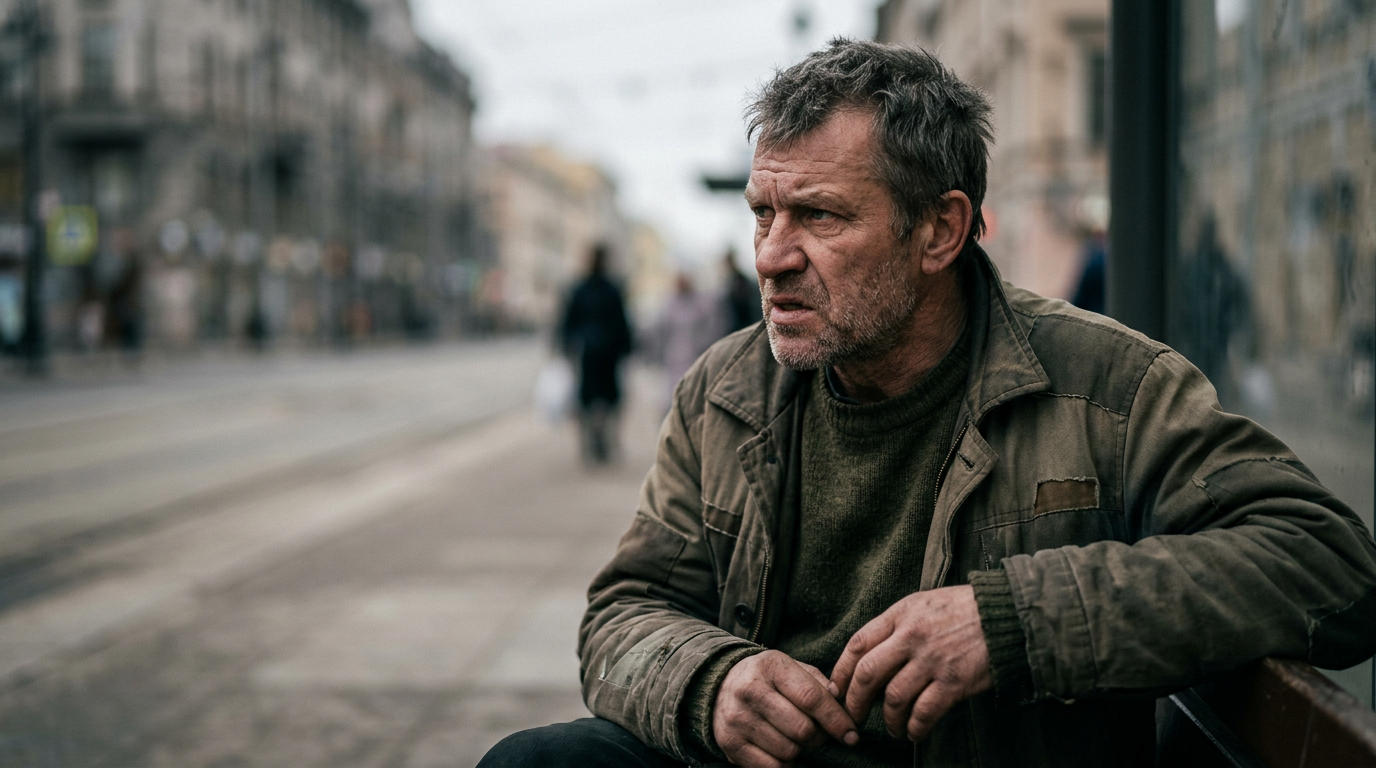
Mounting Frustration Grips Russia as Economic Hardship and War's Toll Deepen
Moscow, Russia – A palpable shift in public sentiment is emerging across Russia, with growing frustration among citizens fueled by a confluence of economic pressures, increasing internet restrictions, and the undeniable...

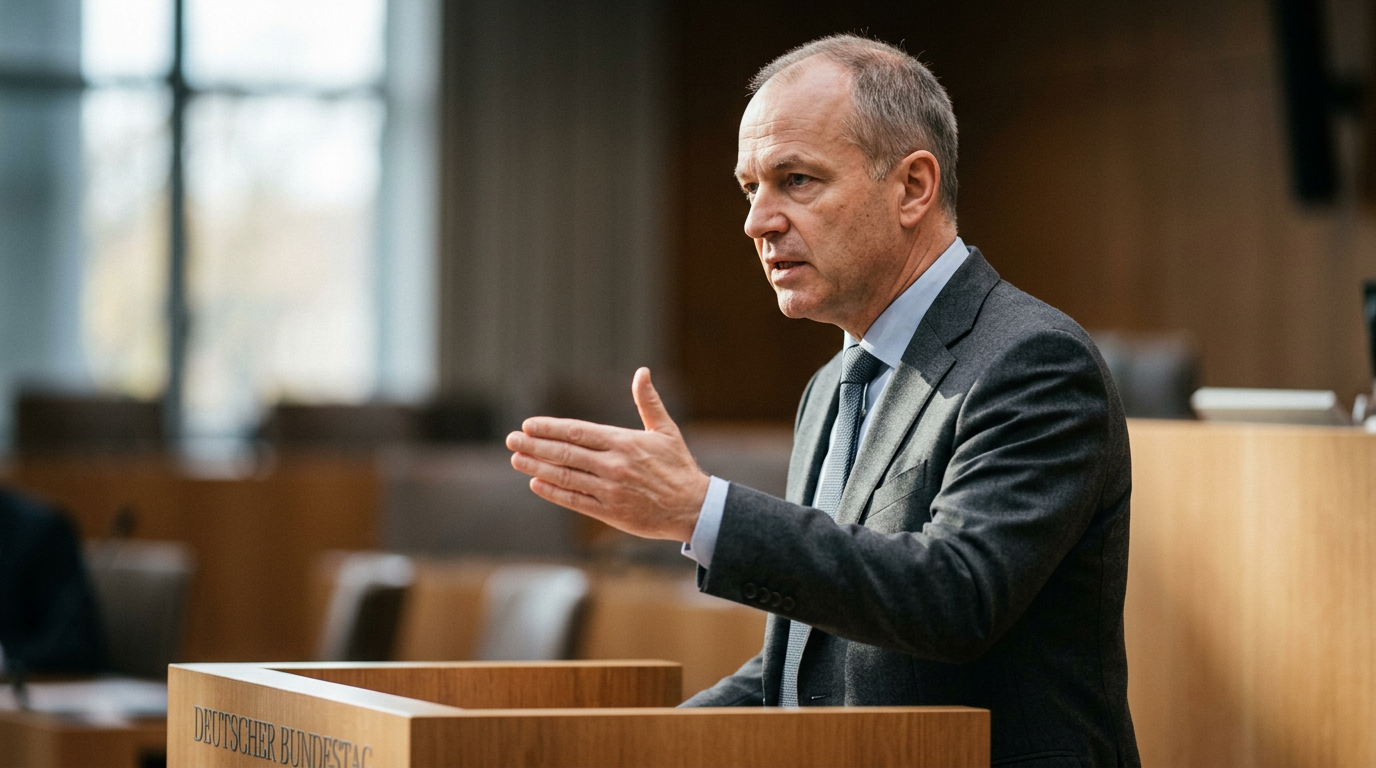
Germany's Strategic Calculus: Ukraine Aid is an Investment in European Security, Not Charity
Berlin – The ongoing provision of substantial aid to Ukraine by Germany and its allies is increasingly being framed not as an act of altruism, but as a crucial investment in European security and stability. This...