Germany's Interior Minister Defends Migration Policies Amidst Rising Scrutiny
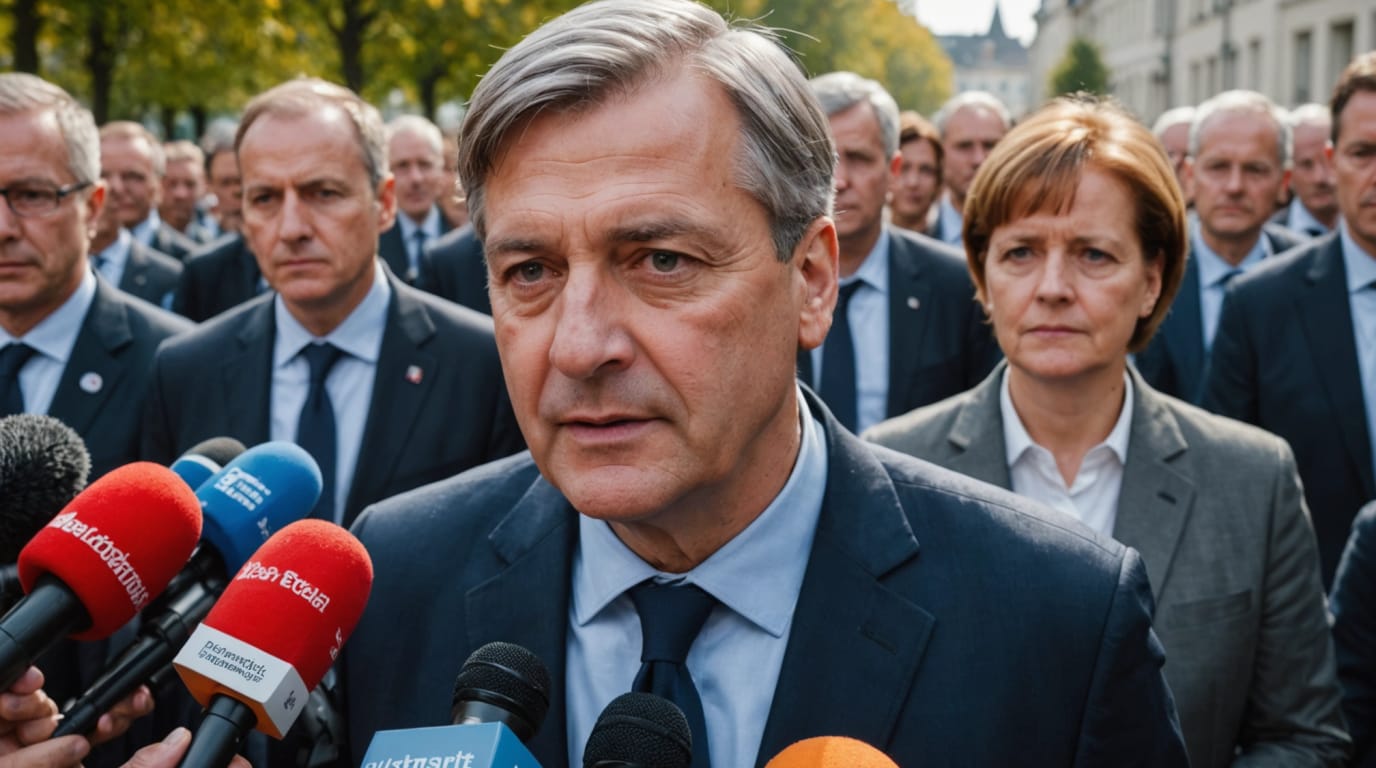
Germany's Federal Minister of the Interior and Community, Nancy Faeser, is facing increasing pressure to defend the government's migration policies amid rising concerns about irregular migration and integration challenges. While Faeser maintains that the government is committed to managing and limiting immigration, critics argue that current policies are insufficient to address the growing influx of migrants and the strain on resources.
Increased Border Controls and Deportations
In response to the escalating concerns, the German government has announced plans to tighten controls at all of its border crossings. These measures, which took effect on September 16, 2024, involve temporary checks at borders with Czechia, Poland, and Switzerland, initially implemented in October 2023, and reintroduced during the European football championships, Olympics, and Paralympics in June-September 2024. Faeser stated that these steps are necessary to further reduce irregular migration until the EU's external borders are effectively protected under the new Common European Asylum System.
Germany has also carried out its first deportation to Afghanistan since the Taliban seized power in August 2021. Furthermore, Joachim Stamp, the Special Commissioner for Migration Agreements, has suggested deporting migrants who enter the EU irregularly via eastern borders to Rwanda, potentially utilizing facilities previously funded by the UK.
These actions have drawn criticism from neighboring countries. Austrian Federal Minister of the Interior Gerhard Karner stated that Austria would not accept individuals rejected by Germany. Greek Prime Minister Kyriakos Mitsotakis hinted that Germany's welfare policies might be a factor attracting large numbers of refugees and migrants, further complicating the situation.
Migration Partnerships and Skilled Worker Immigration
The German government emphasizes the importance of migration partnerships with key countries of origin. These agreements aim to facilitate the return of individuals whose asylum applications have been denied, while also promoting technology transfer and economic cooperation. Additionally, these partnerships seek to ease access to visas, provide training for the German labor market, and establish employment marketplaces to recruit skilled workers.
The government views immigration of skilled workers as crucial for Germany's economic prosperity. Migration partnerships are tailored to each country and can be based on international treaties, memorandums of understanding, or bilateral working structures. The office of the Federal Government Special Commissioner for Migration Agreements, established in 2023, plays a key role in negotiating these agreements.
Integration Efforts and Societal Concerns
The integration of migrants remains a central focus of the German government. With approximately 15 million people with a migrant background residing in Germany, successful integration is considered vital for society. Key areas of focus include language instruction, education, and labor market integration.
However, challenges persist. Concerns about the strain on social services, housing, and education have fueled debates about the capacity of German society to integrate newcomers. The rise of anti-immigrant sentiment and political polarization further complicate the integration process.
Legal and Policy Framework
Germany's migration policy aims to manage, control, and limit immigration while considering the society's capacity to integrate new arrivals and the country's economic and labor market interests. The policy also seeks to meet humanitarian obligations.
The Ministry of the Interior is responsible for foreigners' law, border security, and asylum procedures, in cooperation with the Federal Office for Migration and Refugees (BAMF) and the interior ministries of the Länder (states).
Historical Context and Policy Evolution
Migration has been an integral part of German history. Substantial migration movements began after World War II, with refugees and expelled ethnic Germans arriving from Central Europe. In the 1990s, the fall of the Iron Curtain and German reunification led to increased migration, further intensified by the civil war in Yugoslavia.
Over the years, Germany's migration policies have evolved, reflecting changing geopolitical realities and domestic concerns. The government has shifted between policies focused on recruitment, integration, and limiting immigration.
Conclusion
Germany's migration policies remain a complex and evolving issue. While the government emphasizes the need to manage and control immigration, it also recognizes the importance of integration and the need for skilled workers. The recent measures to tighten border controls and increase deportations reflect the growing pressure to address irregular migration. However, these actions have drawn criticism from neighboring countries and human rights organizations. As Germany navigates these challenges, the success of its migration policies will depend on its ability to balance security concerns, economic needs, and humanitarian obligations while fostering social cohesion.


