Germany's Oldest Party Faces Existential Test Amid Stagnant State Election Fortunes
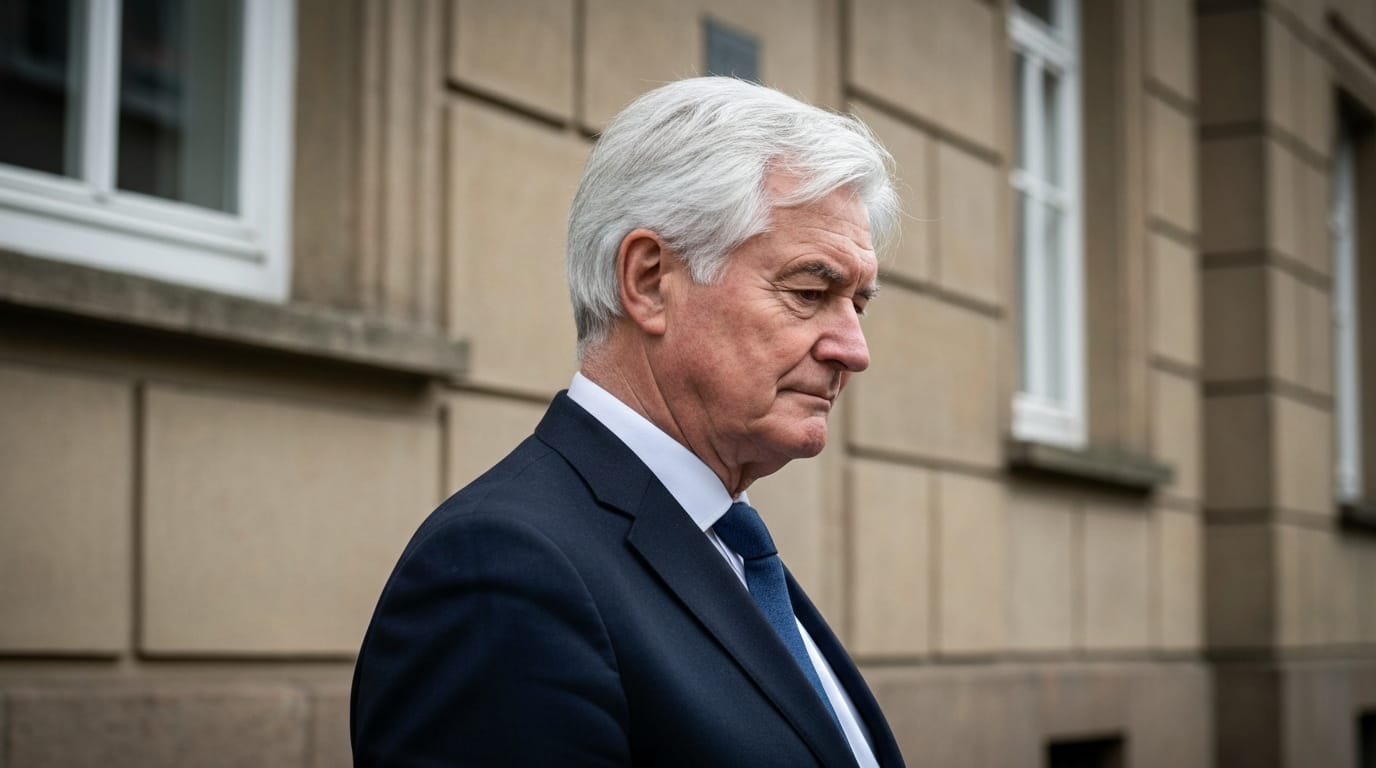
The Social Democratic Party (SPD), Germany's oldest and once most dominant political force, finds itself at a pivotal juncture, grappling with a consistent decline in state-level elections that increasingly threaten its historical standing and future viability. As electoral maps across the federal republic shift, the party that shaped much of modern German history now confronts a profound identity crisis and dwindling voter support, raising questions about its capacity to remain a major player in an increasingly fragmented political landscape. The cumulative effect of these regional setbacks creates a palpable sense of apprehension within the party ranks, suggesting a potential long-term marginalization that could fundamentally reshape the nation's political trajectory.
A Storied Legacy Under Duress
Founded in 1863, the Social Democratic Party boasts an unparalleled legacy in German politics. From its origins as a champion of industrial workers' rights to its pivotal role in establishing Germany's welfare state and guiding the nation through post-war reconstruction and reunification, the SPD has been a cornerstone of democratic governance. Chancellor Olaf Scholz, a prominent SPD figure, currently leads the country's "traffic light" coalition, a testament to the party's enduring influence at the federal level. Yet, this national leadership belies a more troubling reality on the ground. For decades, the SPD commanded widespread loyalty from its traditional base—blue-collar workers, union members, and urban progressives. However, structural economic changes, the erosion of traditional class identities, and the rise of new political priorities have steadily eroded this foundation. The party's share of the national vote has plummeted from its post-war peaks, with recent federal elections seeing it barely edge out rivals, a stark contrast to an era when winning 35-40% was commonplace. This historical backdrop makes the current challenges in state elections all the more significant, as they represent a chipping away at the very foundations of the party's power and influence.
The Crucible of Regional Contests
Recent state elections have served as a stark barometer for the SPD's struggles, often yielding results significantly below their historical averages and, at times, even trailing behind junior coalition partners or newer political movements. In crucial states like Bavaria and Hesse, elections in late 2023 saw the SPD languishing in third or fourth place, struggling to exceed 10-15% of the vote. Even in traditionally Social Democratic strongholds, the party faces intense competition from the resurgent conservative CDU/CSU, the environmentally focused Greens, and, increasingly, the far-right Alternative for Germany (AfD). The reasons behind this voter migration are multifaceted. Many traditional SPD voters feel increasingly alienated by the party's perceived shift towards urban, progressive agendas, while others express dissatisfaction with the federal government's handling of economic challenges, inflation, and energy policy. Simultaneously, younger voters are often drawn to the Green Party's climate agenda or the AfD's anti-establishment rhetoric, leaving the SPD struggling to articulate a compelling vision that resonates across diverse demographics. These regional contests, while often focusing on local issues, inevitably become referendums on national sentiment and the performance of the federal coalition, placing immense pressure on the SPD's leadership and its strategic direction.
Federal Reverberations and Coalition Stability
The consistent underperformance in state elections carries profound implications for the stability and coherence of Germany's federal "traffic light" coalition, comprising the Social Democrats, the Greens, and the Free Democratic Party (FDP). Each regional defeat weakens the SPD's standing within the alliance and among the electorate, often leading to increased internal friction within the coalition. Junior partners, particularly the FDP, might feel emboldened to assert their distinct policy preferences more vigorously, potentially leading to legislative gridlock or even open disputes. A struggling SPD also makes the coalition appear less unified and effective, fueling public discontent and potentially eroding trust in the government's ability to tackle pressing national and international issues. The dynamic interplay between federal and state politics means that poor state election results can translate into a loss of seats in the Bundesrat, Germany's upper legislative chamber, which represents the states. This can complicate the passage of federal legislation, as the coalition might lack the necessary majority to push through its agenda without seeking cross-party compromises. This intricate web of challenges underscores how regional electoral outcomes are not merely local affairs but deeply influence national governance and the perceived strength of the party at the helm.
Navigating a Perilous Path Forward
The SPD now faces the formidable task of revitalizing its appeal and reconnecting with a fractured electorate. The party's long-term survival as a major political force hinges on its ability to articulate a clear and consistent message that addresses the anxieties of its traditional working-class base while also attracting younger, urban voters. This requires a delicate balancing act on issues ranging from economic justice and social welfare to climate policy and immigration. Leadership within the SPD is under intense scrutiny, tasked with demonstrating decisive governance at the federal level while simultaneously rebuilding grassroots support. Potential strategies include a renewed focus on core social democratic values, such as affordable housing, strong social safety nets, and fair wages, combined with pragmatic solutions to contemporary challenges. However, the political landscape is more competitive than ever, with established parties like the CDU/CSU regaining ground and newer parties like the AfD capitalizing on discontent. The SPD's journey forward is fraught with challenges, requiring not just tactical adjustments but potentially a fundamental re-evaluation of its identity and purpose in 21st-century Germany. The party must find a way to convey its relevance and effectiveness to voters who increasingly feel that their concerns are not being adequately addressed by the traditional political establishment.
Conclusion: A Critical Juncture for Germany's Political Future
The struggles of the Social Democratic Party in recent and upcoming state elections signal more than just a dip in popularity for one political entity; they underscore a significant shift in Germany's broader political landscape. As the nation's oldest party grapples with diminishing returns at the ballot box, the cumulative effect of these regional setbacks poses an existential challenge to its historical standing. The potential long-term marginalization of the SPD would not only reshape the internal dynamics of German governance but also have wider ramifications for European politics, given Germany's central role. The coming months and years will be crucial in determining whether the SPD can successfully adapt, regain its electoral footing, and continue to play a leading role, or if these state-level misfortunes are indeed harbingers of a more profound and lasting decline for a party that once epitomized German political stability. The stakes are undeniably high, not just for the SPD, but for the very fabric of Germany's democratic future.


