US-Iran Relations Teeter on Edge After Geneva Stalemate, Future Path Obscure
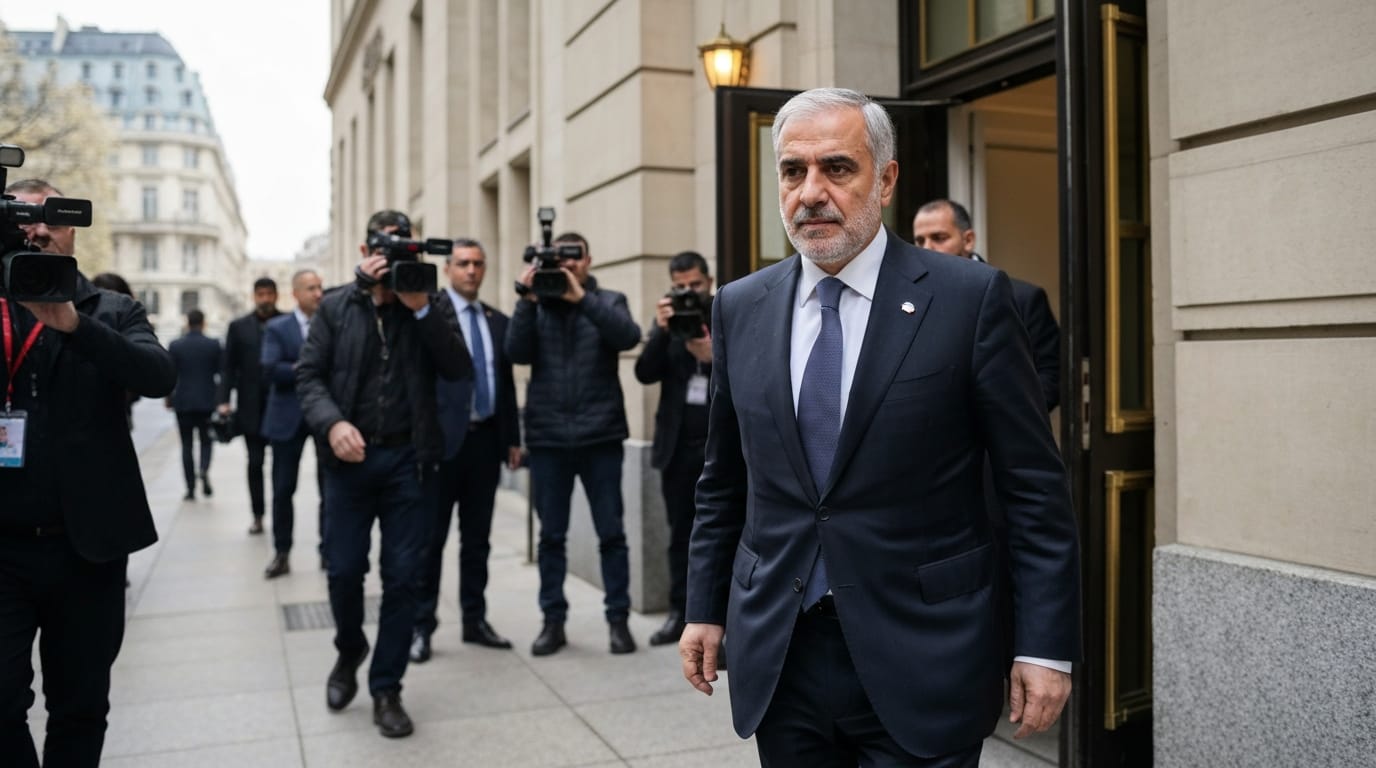
GENEVA – The latest round of high-stakes, indirect talks between the United States and Iran in Geneva concluded recently without a definitive breakthrough, leaving a deeply entrenched diplomatic deadlock unresolved and the future of regional stability increasingly precarious. Despite several days of intensive negotiations aimed at de-escalating tensions and potentially reviving the 2015 nuclear accord, both sides remained fundamentally at odds over the sequencing of concessions and the breadth of engagement required to restore trust. The outcome underscores the profound chasm that continues to separate Washington and Tehran, raising alarms among international observers about the potential for further escalation and the elusive search for a lasting diplomatic resolution.
Nuclear Program at the Forefront of Uncertainty
At the heart of the protracted dispute lies Iran's rapidly advancing nuclear program. Following the unilateral withdrawal of the United States from the Joint Comprehensive Plan of Action (JCPOA) in 2018 and the subsequent re-imposition of stringent sanctions, Tehran has progressively scaled back its commitments under the accord. Recent reports from the International Atomic Energy Agency (IAEA) consistently highlight Iran's accumulation of uranium enriched to levels far exceeding JCPOA limits, including material enriched to 60% purity, a significant technical step closer to weapons-grade levels. The country has also dramatically expanded its centrifuge cascade capabilities, further reducing its "breakout time" – the theoretical period needed to produce enough fissile material for a nuclear weapon.
During the Geneva discussions, Iran reiterated its demand for a complete and verifiable lifting of all sanctions imposed since 2018 as a prerequisite for any return to full compliance. US negotiators, conversely, emphasized the necessity of Iran rolling back its nuclear advancements to JCPOA thresholds, granting full access to IAEA inspectors, and providing satisfactory explanations for undeclared nuclear material found at various sites. The inability to reconcile these primary demands proved to be a major stumbling block, with each side perceiving the other's position as insufficient or unworkable. The international community, particularly European signatories to the JCPOA (France, Germany, and the United Kingdom), continues to press for a diplomatic resolution, warning that the window for reviving the agreement is rapidly closing as Iran's nuclear progress becomes increasingly irreversible.
Sanctions, Economic Hardship, and the Trust Deficit
The economic leverage of US sanctions remains a central, contentious issue. These measures have severely crippled Iran's oil exports, restricted its access to international financial markets, and contributed to significant inflation and economic hardship for ordinary Iranians. Tehran views these sanctions as economic warfare and a violation of the spirit, if not the letter, of the original JCPOA, which promised sanctions relief in exchange for nuclear concessions. For the Iranian government, the lifting of these sanctions is not merely an economic necessity but a matter of national sovereignty and a test of US sincerity.
From the US perspective, the sanctions serve multiple purposes: pressuring Iran to curb its nuclear ambitions, restricting its funding for regional proxy groups, and influencing its human rights record. Washington maintains that substantial sanctions relief will only be granted upon verifiable steps from Iran to return to full nuclear compliance and address broader concerns about its destabilizing activities in the Middle East. The deep-seated mistrust between the two nations, stemming from decades of hostile relations and broken agreements, makes it exceedingly difficult for either side to make concessions without firm assurances of reciprocation. This trust deficit manifested strongly in Geneva, as negotiators struggled to find common ground on verification mechanisms and the precise sequence of "de-escalation" steps, with each side fearing betrayal by the other. The economic ramifications of continued impasse resonate across global energy markets, contributing to volatility as major oil producers remain locked in diplomatic stalemate.
Regional Instability and Proxy Wars
Beyond the nuclear file, the wider regional landscape presents another formidable obstacle to any lasting détente. Iran's expanding influence and support for various non-state actors across the Middle East are a constant source of concern for the United States and its allies. From Yemen, where the Houthis receive Iranian backing, to Iraq and Syria, where Iranian-aligned militias operate, and Lebanon, home to Hezbollah, Tehran's regional strategy is seen by Washington as inherently destabilizing and a threat to international shipping lanes and energy infrastructure.
US officials have consistently signaled that while the nuclear issue is paramount, any comprehensive agreement would ideally need to address Iran's broader regional behavior and ballistic missile program. Iran, however, views its regional presence as a defensive measure and a natural extension of its strategic interests, adamantly refusing to link its missile program or regional policies to nuclear negotiations. This fundamental divergence in strategic outlooks creates an almost insurmountable barrier to holistic reconciliation. The Geneva talks, primarily focused on the nuclear agreement, did little to bridge this wider geopolitical divide, with discussions on regional security largely kept separate and yielding no discernible progress. This means that even if a nuclear pathway were found, the underlying tensions driven by competing regional interests would likely persist, risking renewed flare-ups in already fragile territories.
Diplomatic Impasse and the Path Forward
The aftermath of the Geneva talks leaves the international community at a crossroads. With indirect diplomacy yielding limited results, questions arise about alternative strategies. Some analysts suggest that a more robust, multi-lateral approach involving all permanent members of the UN Security Council and regional stakeholders might be necessary to break the current cycle of recrimination. Others advocate for a "less for less" or "step-for-step" agreement, where smaller, reciprocal actions could build confidence incrementally, rather than attempting a grand bargain that currently appears out of reach.
However, domestic political considerations in both the US and Iran further complicate the diplomatic calculus. In Washington, there is a strong bipartisan desire to prevent Iran from acquiring nuclear weapons, but deep divisions exist on the best methods to achieve this. In Tehran, hardline factions, emboldened by the perceived failures of past negotiations, are increasingly wary of concessions and advocate for continued resistance to external pressure. The absence of a direct, high-level communication channel between the two adversaries exacerbates misunderstandings and makes crisis management challenging. The recent Geneva discussions, while failing to secure a breakthrough, did manage to keep open a slender line of communication. Observers note that the very act of continued engagement, however difficult, is preferable to a complete breakdown, as it maintains a sliver of hope for future progress.
The lack of a decisive outcome from the recent Geneva talks underscores the deep-seated complexities of the US-Iran relationship. The nuclear program continues to advance, sanctions continue to bite, and regional tensions remain dangerously high. While the immediate aftermath is characterized by uncertainty, the imperative for diplomatic engagement remains paramount. The precarious balance between escalating pressure and pursuing dialogue will define the coming months, with global security hinging on whether Washington and Tehran can ultimately find a pragmatic path to de-escalation, rather than allowing the current stalemate to further erode the foundations of regional stability and non-proliferation. The next steps, whether towards renewed negotiations or intensified standoff, will have profound implications far beyond the borders of both nations.