Road to Ruin: How a Tragic Accident Shook Bulgarian Trust in Authority
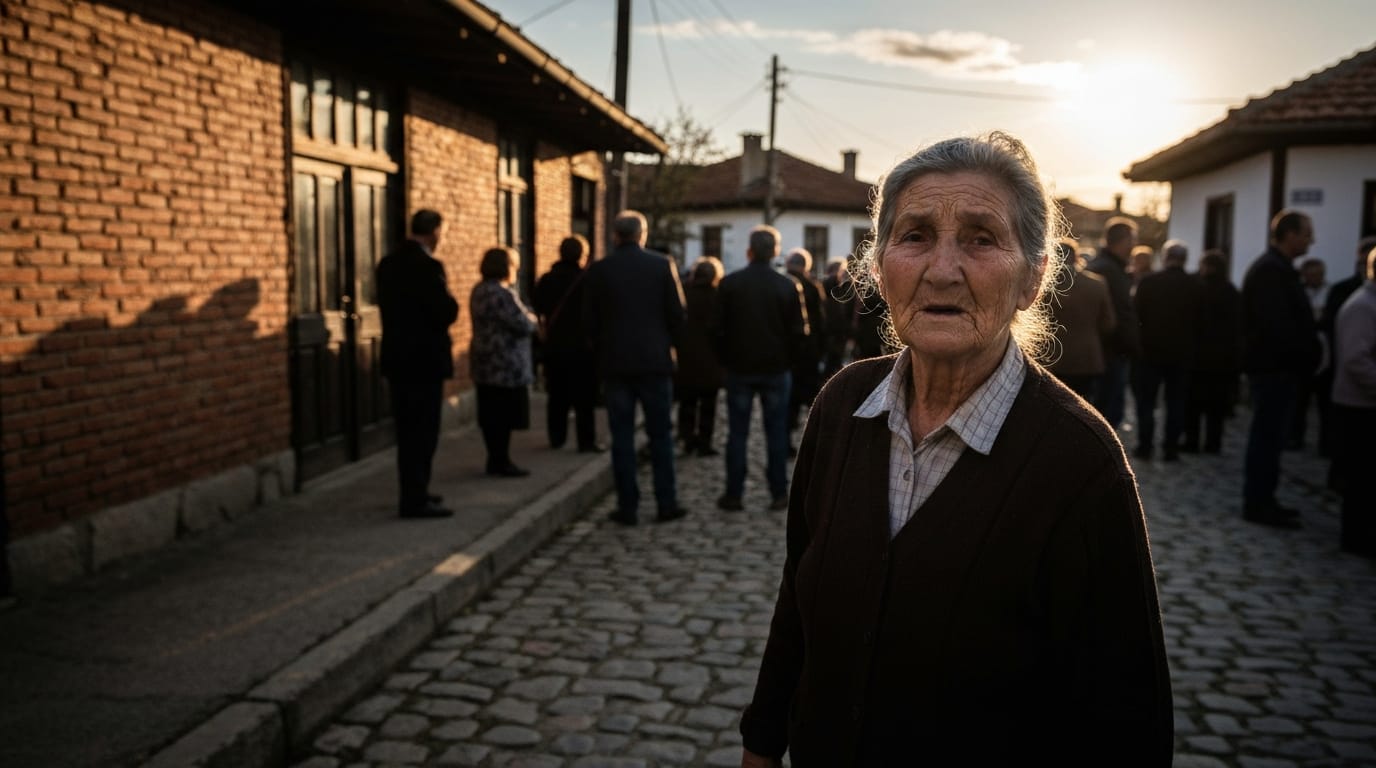
The serene beauty of the Iskar Gorge near Svoge, Bulgaria, was shattered on an August afternoon in 2012 by a horrific bus crash that claimed the lives of six individuals, primarily children returning from a school trip. What began as a national outpouring of grief swiftly transformed into widespread outrage and a profound erosion of public trust in the country's governing institutions. The tragedy, initially attributed to driver error and adverse weather, soon unraveled a complex web of alleged negligence, systemic corruption in road maintenance, and a perceived lack of accountability that continues to haunt Bulgarian society and its relationship with its authorities.
The Svoge Tragedy: A Nation's Shared Grief Turns to Anger
On August 25, 2012, a bus carrying 33 passengers, including children from the town of Svoge, veered off a winding road section near the village of Etropole, plunging into a ravine. The immediate aftermath was chaotic, with emergency services battling difficult terrain and torrential rain to rescue survivors and recover the deceased. Six people perished in the accident, with many more suffering severe injuries. The incident instantly gripped the nation, dominating headlines and sparking a collective period of mourning. Initial reports quickly focused on the challenging driving conditions – heavy rain, slippery roads, and a sharp curve. However, as investigations deepened, a more disturbing picture began to emerge, shifting public focus from an unfortunate accident to a potential indictment of state oversight and ethical governance.
Within days, preliminary findings and witness testimonies began to highlight critical deficiencies in the road infrastructure itself. Concerns mounted over the road surface's quality, inadequate signage, and a guardrail that appeared to offer little protection. This immediately triggered public skepticism about the integrity of road construction and maintenance contracts. Families of the victims and concerned citizens demanded a thorough and transparent investigation, fearing that crucial details might be overlooked or deliberately concealed. The burgeoning discontent signaled the start of a protracted struggle for justice and accountability that would test the public's faith in its leaders and institutions.
Unraveling the Web: Negligence, Corruption, and a Slow Path to Justice
As the official inquiry progressed, accusations of widespread negligence and corruption became central to the public discourse. The segment of the road where the crash occurred had undergone rehabilitation just a few years prior, funded by European Union funds and managed by the Bulgarian Road Infrastructure Agency. Evidence began to suggest that the resurfacing work, carried out by a major construction company, was substandard. Specific allegations included the use of inappropriate asphalt mix, a lack of proper drainage, and insufficient adherence to safety standards, all of which contributed to a dangerously slippery surface, especially in wet conditions.
Investigators uncovered apparent discrepancies in the contract execution and oversight, raising questions about the auditing processes and the responsibility of the state agencies tasked with ensuring public safety. The public perceived a concerted effort to deflect blame, initially onto the bus driver and then onto meteorological conditions, rather than addressing systemic failures. This perception was reinforced by the slow pace of legal proceedings, which saw charges filed against multiple individuals, including officials from the Road Infrastructure Agency and representatives of the construction firm, but little immediate movement towards conclusive verdicts or high-level accountability. The complex and often opaque judicial process, a long-standing source of public frustration in Bulgaria, further exacerbated the sense that justice was elusive.
The Erosion of Public Trust: A Symptom of Deeper Malaise
The Svoge tragedy became a powerful symbol of the broader issues plaguing Bulgarian society: rampant corruption, perceived impunity for those in power, and a general lack of accountability within state institutions. Public opinion polls following the accident showed a significant drop in confidence in the government and regulatory bodies. Citizens felt that the state was failing in its most basic duty – to protect its people – and that powerful economic interests often superseded public safety. The narrative of "our children died because of stolen money" resonated deeply across the nation, tapping into a well of existing grievances concerning graft in public procurement and the perceived intertwining of political and business elites.
Mass protests erupted in various cities, with citizens demanding immediate resignations from high-ranking officials responsible for road infrastructure and transport safety. Slogans and banners highlighted the link between corruption and the loss of lives, explicitly naming specific officials and companies. These demonstrations were not merely about the Svoge accident; they channeled years of accumulated frustration over perceived governmental failures, particularly in areas like healthcare, education, and infrastructure, all believed to be compromised by corruption. The collective anger transformed the tragedy from an isolated incident into a potent catalyst for a more generalized distrust in the state's capacity and willingness to serve the public interest.
Political Fallout and the Lingering Demand for Accountability
The political ramifications of the Svoge tragedy were substantial, though perhaps not immediately transformative. The incident placed immense pressure on the ruling government coalition at the time, leading to calls for ministerial resignations and renewed pledges for stricter oversight. While some lower-level officials faced legal action and eventually convictions, the public largely felt that the higher echelons of power remained largely untouched. This reinforced the cynical view that while "small fish" might be caught, the "big fish" responsible for creating the corrupt environment often escaped genuine punishment.
Years after the crash, the legal proceedings continued to unfold slowly, with appeals and further investigations prolonging the wait for definitive justice for the victims' families. This protracted process only deepened the public's disillusionment with the judicial system itself, which many viewed as inefficient, susceptible to external influence, and ultimately failing to deliver timely or equitable outcomes. The Svoge tragedy continues to be invoked in public debates about corruption, infrastructure spending, and the need for systemic reforms in Bulgaria. It stands as a stark reminder of how a single catastrophic event, when perceived through the lens of institutional failure and corruption, can profoundly reshape a nation's collective psyche and its enduring skepticism towards those in authority.
The six deaths on that fateful August day near Svoge transcended mere statistics; they became a searing indictment of a system perceived as broken and uncaring. The tragedy unearthed deep-seated anxieties about governance, highlighting how the public's trust, once fractured, is incredibly difficult to mend. Even years later, the memory of the bus crash serves as a constant touchstone for discussions on accountability, corruption, and the pressing need for genuine institutional reform in Bulgaria, underscoring the profound and lasting impact of perceived state negligence on the fabric of society.


