Germany's Sacred Spaces Seek New Purpose Amid Exodus of Faith
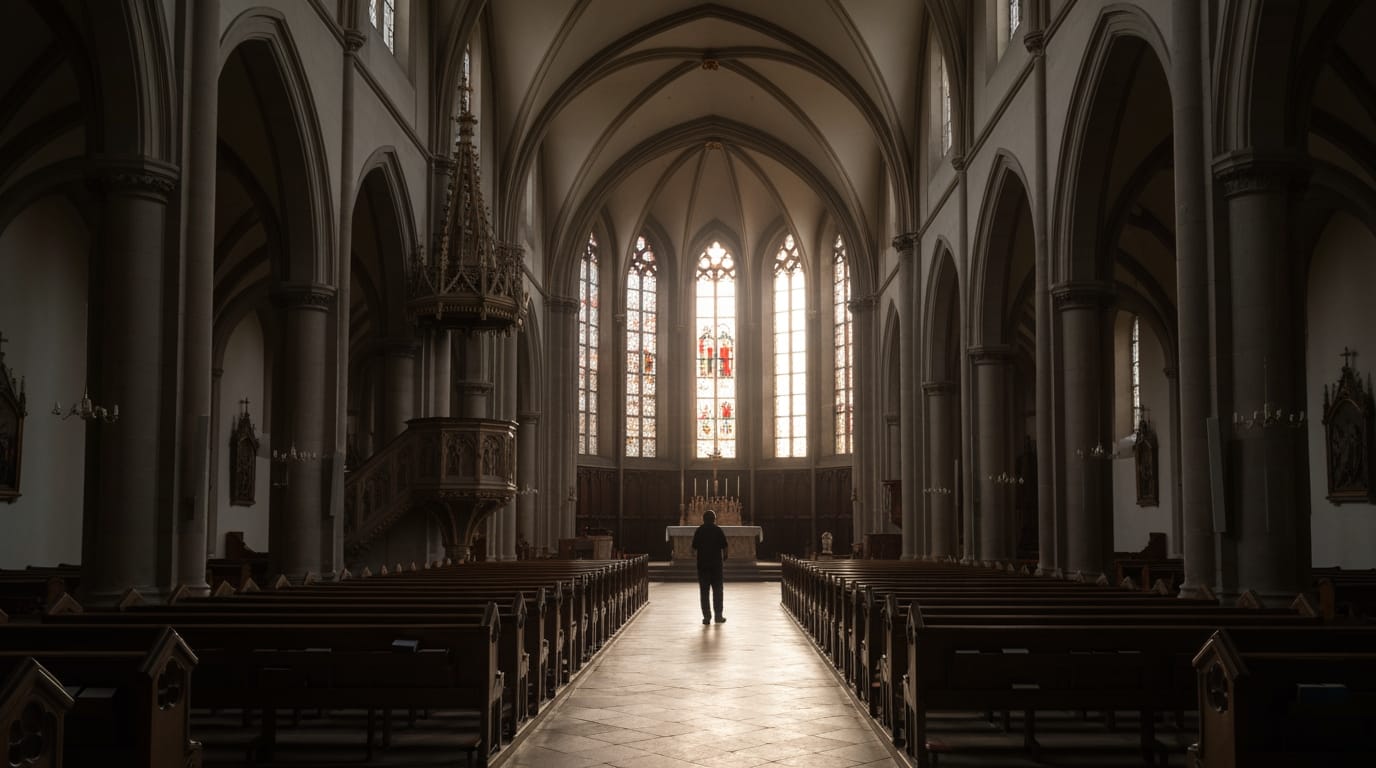
Germany, a nation deeply woven with Christian heritage, is confronting a profound transformation of its religious landscape as countless churches face closure due to rapidly dwindling congregations. Across the country, iconic steeples that once anchored communities are being deconsecrated, sold, or reimagined for entirely new purposes, marking a significant shift in national identity and urban fabric. This wave of adaptive reuse reflects not only a demographic and spiritual decline but also an innovative effort to preserve architectural treasures and redefine their role in modern society.
An Emptying Epoch
The decline in church membership across Germany is both stark and accelerating. For the first time in modern German history, individuals with no religious affiliation now constitute the largest demographic group, surpassing the combined numbers of Roman Catholics and Protestants. In 2024, an estimated 47% of Germany's population, approximately 39 million people, identified as religiously unaffiliated, eclipsing the 38 million (45%) who identify as Catholic or Protestant. This demographic shift is fueled by a consistent outflow from both major denominations, with over a million members collectively departing in 2024 alone, marking the fourth consecutive year with such a substantial loss. Projections indicate that Catholic and Protestant churches, which together had about 45 million members in 2019, could lose nearly half their adherents by 2060.
Several interwoven factors contribute to this exodus. Secularization continues its relentless advance, diminishing the role of institutional religion in daily life. An aging population, coupled with a sharp decline in infant baptisms, naturally reduces membership numbers. However, a significant driver remains intentional church withdrawals, influenced by factors such as avoiding the mandatory church tax and a series of high-profile scandals, particularly within the Catholic Church. Broader societal trends, including increased prosperity, individualism, urbanization, and a diverse array of leisure activities, also contribute to making church affiliation less central to many Germans' lives. Only about 5% of Germans attend a religious service at least once a month, with even lower figures for Protestants at 2.3%.
The Economic and Spiritual Toll
The dwindling congregations translate directly into severe financial strain for both the Catholic and Protestant churches, impacting their ability to maintain extensive property portfolios. Members of these churches contribute a "church tax" (Kirchensteuer), a percentage of their taxable income, which forms a significant portion of church revenue. As membership declines, so does this crucial income stream, leading to substantial budget shortfalls. For instance, the maintenance of Catholic buildings in Bavaria alone costs over 100 million euros annually.
The sheer scale of the properties involved is staggering. By 2033, experts predict that "every fourth or fifth church building will no longer be used for its original purpose," equating to approximately 10,000 structures. The Roman Catholic Church in Germany has already decommissioned around 515 churches in the last decade, with 650 ceasing worship since 2005. More recently, 131 churches closed in the last five years, with 126 already having undergone desacralization. A 2023 report warned that as many as 40,000 rectories, community centers, and places of worship could be abandoned by 2060, forcing churches to divest a third of their properties. These numbers underscore an urgent need for sustainable solutions for these often-historic buildings.
Reinventing the Sacred: Diverse Transformations
Faced with a surplus of imposing, yet empty, structures, communities and church authorities are exploring a wide array of adaptive reuse options. The former St. Peter Parish Church in Mönchengladbach, for example, has been spectacularly transformed into the "Kletterkirche" (climbing church), where rock climbers scale walls that once bore religious art. Similarly, a Catholic church in Gelsenkirchen now functions as a climbing gym. These innovative projects demonstrate a willingness to embrace entirely secular uses for sacred spaces, albeit sometimes controversially.
Other repurposing efforts seek a more direct connection to community or cultural life. Empty churches have found new life as cultural centers, residential units, commercial spaces, and even hotels. In Boostedt, northern Germany, a former church serves as a showroom for an undertaker to display coffins, while a funeral chapel in Berlin now hosts theater performances. Some deconsecrated churches have been converted into libraries, restaurants, or fitness centers. Less dramatic, but equally vital, are reuses that maintain a spiritual or community-focused character, such as transforming parts of a church into choir practice rooms or local community centers. In some exceptional cases, entire church buildings have even been physically relocated, like one near Lake Steinhude that was transported to Romania to serve a new congregation. These varied examples illustrate a pragmatic approach to preserving the physical structures, even if their spiritual function has ceased.
Navigating Preservation and Community
The process of repurposing churches is fraught with challenges, balancing the practicalities of redevelopment with the profound historical and emotional significance of these buildings. A major hurdle is the architectural preservation aspect; a vast majority of Germany's churches are protected as historic monuments. Approximately 80% of Protestant churches and over 23,000 Catholic churches are listed buildings, meaning any significant alterations require careful consideration and often costly interventions to comply with preservation laws.
Beyond structural integrity, the emotional attachment of local communities to their churches poses another significant challenge. Many residents view these buildings as integral to their identity and heritage, and closures can lead to "bitterness and disappointment." Finding a new use that is acceptable to former congregants and the wider public can be a delicate balancing act. While church-related or mixed-use reconfigurations are generally more readily accepted, purely commercial ventures are often viewed with reservation. The Catholic Church, in particular, tends to exercise stricter control over the fate of its deconsecrated buildings, sometimes even opting for demolition if a "suitable" buyer with an appropriate use cannot be found, rather than allowing what it deems overly "profane" transformations. This requires extensive cooperation between church authorities, local communities, urban planners, and monument protection agencies to find solutions that honor the past while embracing the future.
A Future Forged in Adaptation
Germany's emptying churches stand as tangible symbols of a society in flux, where traditional religious affiliation is rapidly giving way to secularism. The sheer number of these grand, yet silent, structures presents an unprecedented challenge and opportunity. While the loss of active worship spaces marks an undeniable shift, the adaptive reuse movement offers a compelling narrative of resilience and creativity. These transformations not only prevent demolition and preserve significant architectural heritage but also inject new life into communities, fostering cultural, social, and economic benefits.
The future role of these former sacred spaces will continue to evolve, reflecting Germany's changing demographics and values. The ongoing dialogue between historical preservation, community needs, and economic realities will determine how these magnificent buildings, once dedicated to the divine, will continue to serve society in novel and meaningful ways, ensuring their enduring presence in the German landscape.


