Global Climate Shatters Records, Signals Urgent Need for Action

The Earth's climate is in a state of unprecedented flux, with 2023 emerging as the warmest year on record, according to the World Meteorological Organization (WMO). A cascade of broken climate records paints a stark picture of a planet grappling with the escalating effects of greenhouse gas emissions, extreme weather events, and environmental degradation. The latest data underscores the critical need for immediate and ambitious climate action to mitigate further damage and safeguard the future.
Unprecedented Warming and Greenhouse Gas Levels
The global average near-surface temperature in 2023 soared to 1.45 degrees Celsius (± 0.12 °C) above the pre-industrial 1850-1900 average, surpassing previous records by a significant margin. Every month from June to December registered as the warmest respective month ever recorded, with September 2023 exceeding the previous September record by a notable 0.46 to 0.54 °C. This extreme warming is fueled by ever-increasing concentrations of greenhouse gases in the atmosphere, trapping heat and driving global temperatures upward. The years 2015-2023 constitute the warmest nine-year period on record, highlighting an alarming trend of accelerating climate change.
Ocean Heat, Sea Level Rise, and Ice Loss
The world's oceans are absorbing vast amounts of heat, with ocean heat content reaching record observed highs in 2023. This ocean warming contributes to sea level rise, which also reached record levels last year due to thermal expansion and melting ice. Antarctic sea ice experienced record observed lows, while key glaciers suffered unprecedented losses. The melting of glaciers and ice sheets not only contributes to sea level rise, threatening coastal communities and ecosystems, but also disrupts ocean currents and weather patterns.
Extreme Weather Events and Socio-Economic Impacts
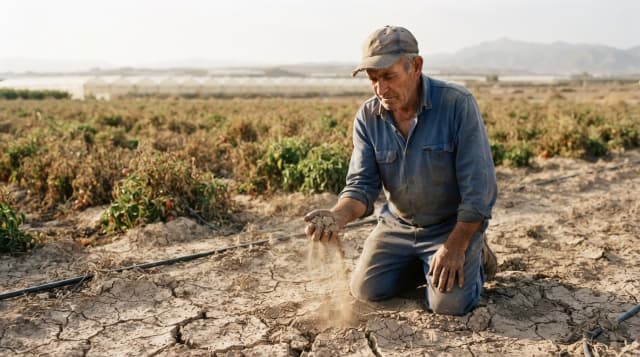
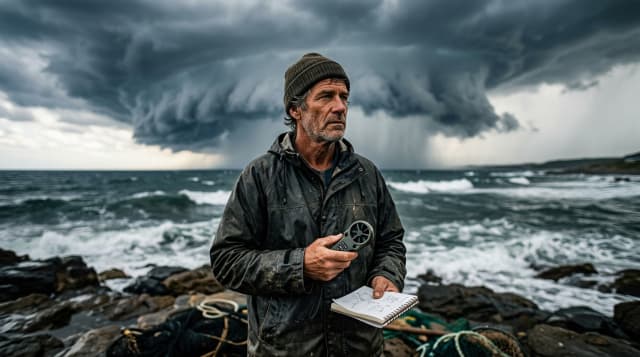
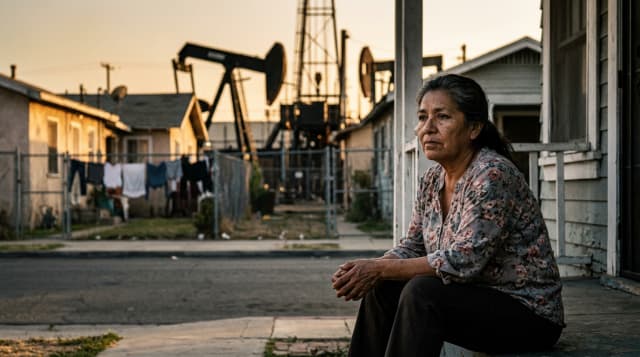
The consequences of climate change are not limited to rising temperatures and melting ice. Extreme weather events, including heatwaves, floods, droughts, wildfires, and rapidly intensifying tropical cyclones, wreaked havoc across the globe in 2023. These events caused immense human suffering, displacing millions, exacerbating food insecurity, and inflicting billions of dollars in economic losses. Vulnerable populations are disproportionately affected by these climate-related disasters, further widening existing inequalities.
The Financial Imperative of Climate Action
Addressing the climate crisis requires significant financial investments. While global climate-related finance flows reached almost $1.3 trillion in 2021/2022, this represents only a fraction of the investment needed to achieve climate goals. To limit global warming to 1.5°C, annual climate finance investments need to increase dramatically, reaching almost $9 trillion by 2030 and a further $10 trillion through 2050. However, the cost of inaction far outweighs the cost of climate action, with the potential for even greater economic losses and human suffering in the future.
Renewable Energy Transition and Hope for the Future
Despite the grim realities of the current climate state, there is reason for optimism. The transition to renewable energy sources is gaining momentum, offering a pathway to reduce greenhouse gas emissions and mitigate climate change. Investments in renewable energy technologies, such as solar, wind, and hydropower, are increasing, and the costs of these technologies are declining. By accelerating the transition to a clean energy economy, the world can reduce its reliance on fossil fuels and create a more sustainable future.
The state of the global climate is a clear and urgent call for action. The scientific evidence is irrefutable: the planet is warming at an alarming rate, and the consequences are already being felt around the world. While the challenges are significant, they are not insurmountable. By embracing ambitious climate policies, investing in renewable energy, and promoting sustainable practices, the world can still avert the worst impacts of climate change and create a more resilient and equitable future for all. The time to act is now.