Global Crisis Deepens as U.S. Imposes Naval Blockade on Iran, Tehran Warns "No Port Will Be Safe"
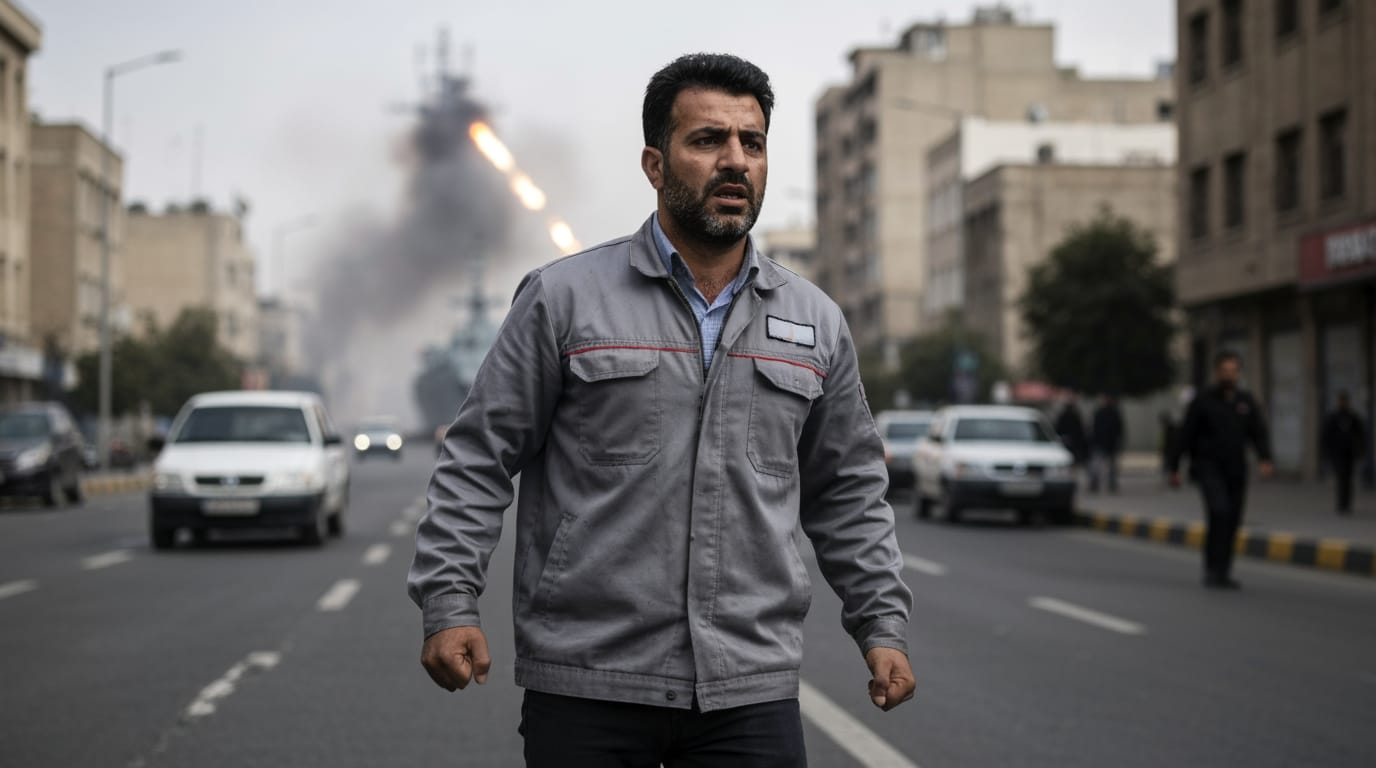
Washington/Tehran – April 14, 2026 – A perilous new chapter in U.S.-Iran tensions has unfolded in the Persian Gulf, as the United States military began enforcing a comprehensive naval blockade of Iranian ports and coastal areas. This aggressive measure, ordered by U.S. President Donald Trump, follows the abrupt collapse of high-stakes peace negotiations in Pakistan and is intended to compel Tehran into a definitive peace agreement and to ensure the unrestricted flow of shipping through the vital Strait of Hormuz. Iran has vehemently condemned the blockade as an "illegal act of aggression" and "maritime piracy," issuing stern warnings that if its maritime security is threatened, "no port" in the Persian Gulf and Gulf of Oman will remain safe, signaling a significant escalation with potentially catastrophic regional and global consequences.
The Imposed Blockade: A Strategy of Coercion
The U.S. Central Command (CENTCOM) announced the implementation of the naval blockade on April 13, 2026, marking a dramatic shift in Washington's strategy to pressure the Islamic Republic. This action comes in the immediate aftermath of failed diplomatic efforts in Islamabad, where negotiations between U.S. and Iranian officials ended without a breakthrough. Reports indicate that Iran's steadfast refusal to abandon its nuclear ambitions was a primary sticking point that ultimately scuttled the talks.
President Trump explicitly stated that the blockade aims to cut off a major source of funding for the Iranian regime by disrupting its oil exports, hoping to force Tehran back to the negotiating table on U.S. terms. U.S. Vice President JD Vance characterized the blockade as a response to what he termed "Iranian economic terrorism," asserting that if Iran threatens global shipping, then "no Iranian ships are getting out either." The U.S. military has warned that any vessel attempting to enter or depart Iranian ports without authorization could face interception, diversion, or capture. Adding to the tense atmosphere, President Trump issued a stark warning that any Iranian vessels approaching the U.S. blockade would be "immediately eliminated."
Tehran's Defiance and Regional Threats
Iran's response to the naval blockade has been swift and unyielding. Iranian officials, including the country's Ambassador to the United Nations, Amir Saeid Iravani, condemned the U.S. action as a "gross violation of sovereignty and territorial integrity" and an "illegal act of aggression." Tehran has repeatedly described the measure as "maritime piracy," accusing the U.S. of violating international law by attempting to prevent maritime traffic to and from its ports.
In a powerful counter-threat, Iran's military leadership, including spokespersons from the Khatam al-Anbiya Central Headquarters and the Islamic Revolutionary Guard Corps (IRGC) Navy, warned that if the security of Iranian ports is jeopardized, "no port in the Persian Gulf and the Sea of Oman will be safe." This declaration signals a potential for wider regional conflict, implicating U.S.-allied states in the Gulf. The IRGC also reaffirmed its "full and intelligent control" over the Strait of Hormuz, stating that while non-military vessels are permitted passage under specific regulations, any military ships attempting transit would be met with a "firm and decisive response." Iran has reportedly mobilized naval forces along its southern coastline, raising concerns about imminent maritime confrontations.
The Crucial Chokepoint: Strait of Hormuz
Central to this escalating crisis is the Strait of Hormuz, a narrow waterway through which approximately one-fifth of the world's crude oil and significant volumes of liquefied natural gas normally pass. The strategic importance of this chokepoint grants Iran considerable leverage, a fact Tehran has historically utilized in times of heightened tension.
Since the outbreak of a U.S.-Israeli war against Iran on February 28, 2026, Iran had effectively restricted access to the Strait, either through outright closure or by imposing substantial tolls on passing vessels. This disruption has already had a profound impact on global energy markets, causing oil prices to surge and fueling fears of a broader economic crisis. The current U.S. blockade aims to reverse Iran's control over the strait, but in doing so, it risks further destabilizing global energy supplies. Some analysts have raised doubts about the efficacy of reopening the Strait solely through military force.
International Law and Global Ramifications
The legality of a naval blockade of a sovereign state outside of a declared war is a contentious issue under international law. Legal experts cite Article 3(c) of the U.N. General Assembly's Definition of Aggression (1974), which considers a naval blockade an act of armed aggression, potentially entitling Iran to use all necessary means for self-defense. Iran's Ambassador to the UN explicitly invoked the UN Charter, stating that the U.S. action violates Article 2, paragraph 4, which prohibits the threat or use of force, calling it a "textbook example of aggression under international law."
The United Nations Secretary-General has urged all parties to respect the freedom of navigation in the Strait of Hormuz, underscoring the international community's concern over the escalating tensions. The economic fallout of the blockade is projected to be severe for Iran, with estimates suggesting approximately $13 billion in monthly economic damage from export losses and disrupted imports. Iran's economy is highly reliant on its southern shipping lanes, with over 90% of its annual trade passing through the Strait of Hormuz. The blockade is expected to halt nearly all of Iran's seaborne trade and force oil field shutdowns within weeks.
Beyond Iran, the blockade carries significant risks for the global economy. Disruptions to oil and gas flows, combined with increased shipping insurance costs and rerouting, threaten to push up consumer prices worldwide, contributing to inflation and potentially leading to a global fuel crisis.
A History of Tensions, A Future Uncertain
The current standoff is not an isolated incident but rather the latest flashpoint in a decades-long history of naval encounters and heightened tensions between the U.S. and Iran in the Persian Gulf. Incidents involving the Islamic Revolutionary Guard Corps (IRGC) Navy harassing U.S. ships, particularly in and around the Strait of Hormuz, have occurred sporadically since the 1980s. These confrontations have included Iranian speedboats maneuvering near U.S. warships and the U.S. bolstering its defensive posture in response to Iranian harassment of commercial vessels.
The current crisis, however, represents a significant escalation, transitioning from economic sanctions and intermittent maritime incidents to a full naval blockade, which many consider an act of war. The failure of diplomatic talks, coupled with the strong rhetoric from both Washington and Tehran, leaves little room for de-escalation in the immediate future.
The world now watches with apprehension as the U.S. enforces its blockade and Iran mobilizes its forces, creating a highly volatile situation in one of the globe's most critical maritime corridors. The economic and geopolitical ramifications of this standoff are profound, threatening to plunge an already unstable region into deeper conflict and sending ripples of uncertainty across international markets.


