Global Energy Crisis Prompts Urgent, Multifaceted Global Response
The world is grappling with an intensifying global energy crisis, driven by a complex interplay of post-pandemic demand surges and exacerbated by escalating geopolitical conflicts. Nations worldwide are deploying a diverse array of strategies, from immediate emergency measures to ambitious long-term shifts in energy policy, as they strive to secure stable supplies, manage soaring costs, and accelerate the transition to a more resilient energy future. The crisis has exposed fundamental weaknesses in energy systems optimized for efficiency rather than resilience, propelling an urgent reevaluation of energy security on a global scale.
Navigating Immediate Shocks: Rationing and Reserves
Recent geopolitical tensions, particularly the ongoing conflict in the Middle East and the effective blockade of the Strait of Hormuz, have significantly amplified the crisis, triggering unprecedented volatility in oil and gas markets. This disruption, which has impacted approximately 20 million barrels of oil and oil products daily, along with a significant portion of global liquefied natural gas (LNG) trade, has prompted immediate and often drastic responses from energy-importing nations.
Countries such as Sri Lanka have implemented a four-day workweek and digital QR code-based fuel rationing to conserve dwindling reserves. Egypt is considering similar measures, including reducing public lighting and implementing work-from-home mandates. China, the world's largest crude importer, has directed its top refiners to suspend diesel and gasoline exports and is reportedly close to tapping its vast strategic stockpiles. Thailand has introduced austerity measures, encouraging remote work for government employees and reducing energy consumption in public buildings.
In the face of acute supply shortages, governments have also resorted to releasing strategic oil reserves. The International Energy Agency (IEA) recently coordinated the largest-ever release of emergency oil stocks, totaling 400 million barrels. However, industry executives caution that such supply-side interventions are proving inadequate to offset the scale of the disruption. Some nations, prioritizing immediate supply, are temporarily increasing reliance on traditional fossil fuels like coal to stabilize electricity grids, even as this conflicts with longer-term climate goals.
The Green Imperative: Accelerating Renewable Energy
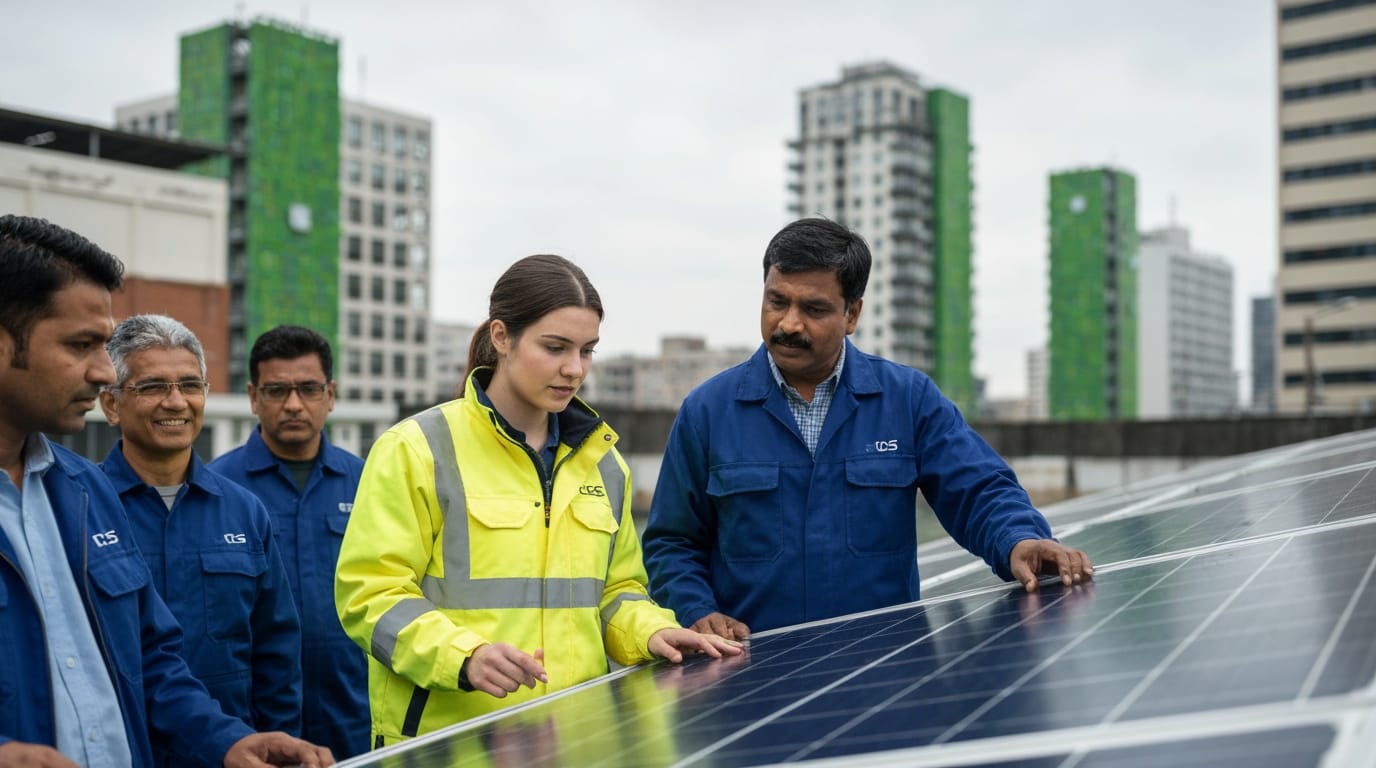
Amidst the immediate scramble for fossil fuels, the crisis is simultaneously serving as a powerful catalyst for accelerating the global transition to renewable energy sources. Leaders and policymakers increasingly recognize that diversifying away from volatile fossil fuel markets is crucial for long-term energy security and economic stability.
Investments in clean energy are soaring, with projections indicating significant growth in solar, wind, and other sustainable power sources. The European Union, for instance, significantly expedited its renewable energy development following Russia's invasion of Ukraine in 2022, a pattern that is expected to be replicated in response to current Middle East tensions. Renewables are now often more affordable than new gas, coal, or nuclear plants on a levelized cost basis, and their deployment timeframes are considerably shorter. This economic advantage, coupled with the inherent geopolitical stability of domestically produced renewable energy, is driving substantial policy support and investment globally.
However, the rapid expansion of renewables presents its own set of challenges, including the intermittency of sources like solar and wind, and new geopolitical risks associated with critical mineral supply chains, which are often dominated by a few key players. Addressing these issues requires continued innovation in energy storage technologies and strategic partnerships to secure essential materials.
Nuclear's Resurgence: A Quest for Stable Power
In a notable shift, nuclear power is experiencing a significant resurgence, positioned by many nations as a vital low-carbon, stable, and dispatchable energy source capable of enhancing energy security. The second Nuclear Energy Summit in March 2026 underscored this renewed global momentum, with 38 countries committing to working towards tripling global nuclear capacity by 2050.
Countries that had previously moved away from nuclear energy, such as some European nations, are now reconsidering their stances. The European Union, for example, has unveiled new financial guarantees for atomic power to reduce reliance on expensive and volatile fossil fuel imports, acknowledging that past phase-outs were a "strategic mistake." Taiwan is also exploring the restart of its last nuclear station in response to the current crisis.
This renewed embrace of nuclear energy is driven by its ability to provide a consistent power supply regardless of weather conditions, complementing intermittent renewables and reducing greenhouse gas emissions. While challenges remain in financing, regulatory oversight, and ensuring a skilled workforce, the imperative for energy security and decarbonization is driving significant investment and policy support in this sector. Global nuclear capacity is projected to nearly double by 2050, reaching 812 GW, with significant construction projects underway, particularly in Asia.
Demand-Side Management and Consumer Protection
Beyond transforming energy supply, countries are also heavily focused on managing demand and protecting consumers from the economic fallout of soaring energy prices. Energy efficiency policies have strengthened globally, with over 70% of the world's energy consumption covered by new or reinforced initiatives since the crisis began. These measures include awareness campaigns, mandating energy-efficient products like LED lighting, and promoting public transportation to reduce fuel consumption.
Governments are also deploying significant financial interventions to cushion the blow for households and businesses. These include price subsidies, targeted cash payments, and tax reductions to alleviate the cost burden. For instance, European governments have introduced various policies, ranging from direct subsidies to lower-income households to reduced energy taxes. The UK allocated substantial funds to support vulnerable heating oil customers.
However, the use of subsidies, particularly for fossil fuels, presents a complex dilemma. While they aim to make energy more affordable, poorly targeted subsidies can inadvertently reduce incentives for energy conservation and disproportionately benefit higher-income groups. The IEA reported that global fossil fuel consumption subsidies exceeded $1 trillion in 2022, representing a substantial increase, and often overshadowing investments in clean energy infrastructure. This highlights an ongoing tension between immediate affordability and the long-term goals of energy transition and climate action.
A Precarious Path Towards a Resilient Energy Future
The global energy crisis has forced an unprecedented level of governmental action and strategic reorientation. While immediate responses often involve short-term reliance on existing fossil fuel infrastructure and consumer protection measures, there is a clear, accelerating trend towards long-term solutions rooted in energy independence and decarbonization. The convergence of geopolitical instability, economic pressures, and climate imperatives is reshaping the global energy landscape, pushing nations to prioritize a more secure, diversified, and sustainable energy future.
The path ahead remains precarious, marked by the delicate balancing act between meeting immediate energy needs and investing in transformational change. The success of these multifaceted approaches will ultimately determine the world's ability to navigate future energy shocks, mitigate climate change, and ensure a stable and affordable energy supply for all. The crisis, while immensely challenging, has undeniably underscored the necessity of a rapid and comprehensive shift in global energy paradigms.


