Syrian Women Lead Charge for Legal Reform Amidst Crisis of the Disappeared
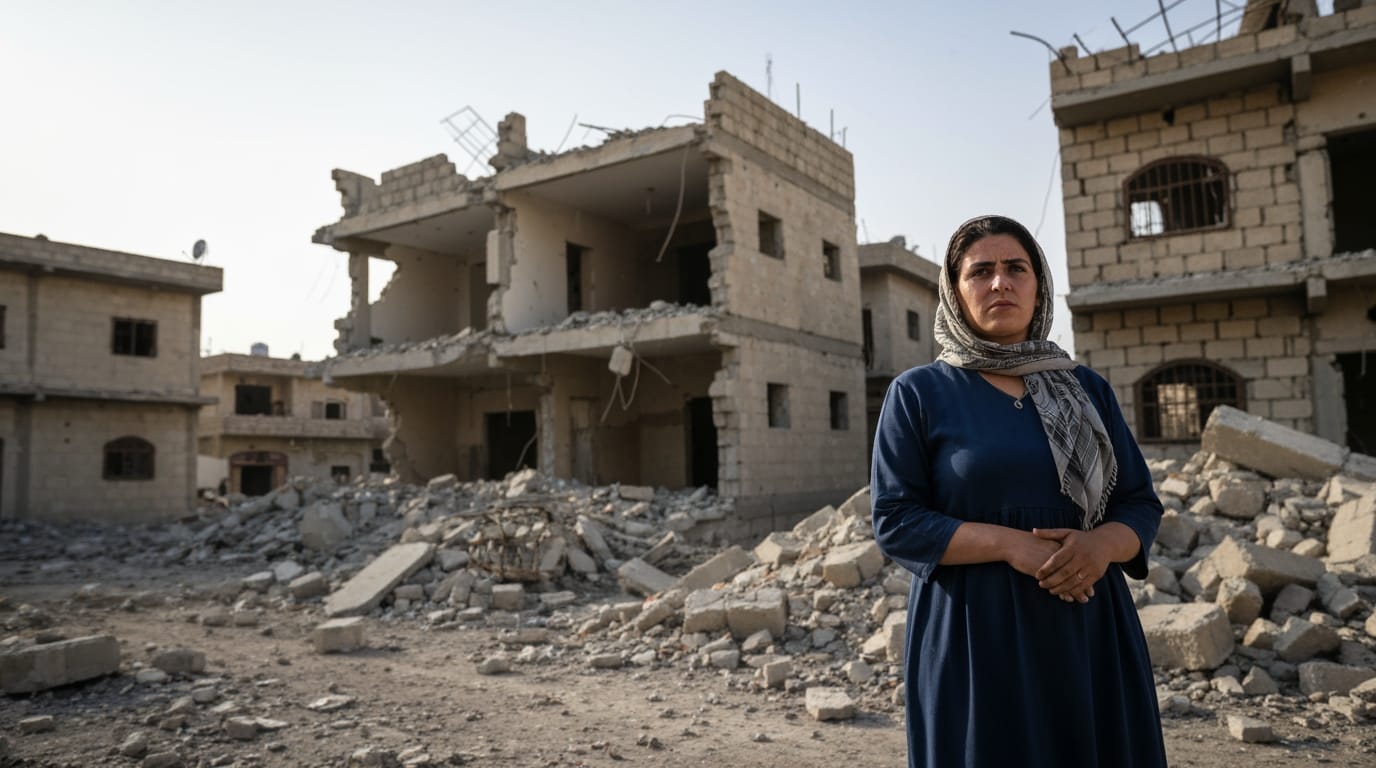
DAMASCUS – Across Syria, a silent crisis of immense proportions continues to unfold, trapping hundreds of thousands of women in a devastating legal and emotional limbo. More than a decade of conflict has resulted in the enforced disappearance of at least 177,000 to over 181,000 individuals, predominantly young men, leaving their wives and families grappling with uncertainty, economic hardship, and a profound lack of legal recourse. These women are now at the forefront of a determined push for comprehensive legal reform, seeking to dismantle outdated laws that exacerbate their suffering and recognize their fundamental rights in a society scarred by prolonged conflict.
The sheer scale of enforced disappearances, documented by human rights organizations, has created a generation of "wives of the disappeared" who face unique challenges under existing Syrian law. The legal framework, particularly Personal Status Law No. 59 of 1953, effectively penalizes these women for the unknown fate of their spouses. Without an official death certificate, they are legally barred from remarrying, inheriting property, initiating custody proceedings, or registering as widows, locking them into a state of perpetual legal paralysis. This not only strips them of agency but also casts a long shadow over their children's future, impacting their well-being and access to education.
The Weight of Ambiguous Loss and Legal Obstacles
The emotional toll on these families is immense, characterized by what experts term "ambiguous loss." The absence of definitive information about their loved ones prevents traditional grieving processes, fostering a constant oscillation between despair and a fragile hope for return. This psychological burden is compounded by the practical realities of survival in a post-conflict environment. Many wives are forced to become sole breadwinners and decision-makers, often taking on insecure, low-paying jobs that expose them to exploitation.
Current Syrian law complicates the declaration of a missing person's death, requiring the individual to reach 80 years of age or a legal presumption of death after four years if the disappearance is linked to armed conflict. Even then, this process is described as complicated, costly, and historically susceptible to political influence. The absence of a formal death certificate renders women unable to access bank accounts or family assets held in their husbands' names. Furthermore, they are often denied social benefits designated for married women and face limitations on humanitarian aid access that would be available to single or widowed women, effectively creating a "gendered impact of enforced disappearance" that amplifies their vulnerability.
Calls for legal reform extend to broader personal status issues, including the right of Syrian women to confer their nationality upon their children and adjustments to inheritance laws. These proposed changes aim to address deeply entrenched gender discrimination within the legal system, which has hindered women's autonomy and their full participation in public and political life for decades.
International Recognition and Emerging Institutions
In response to sustained advocacy from victims and civil society organizations, the international community has taken steps to address the crisis. In June 2023, the United Nations General Assembly adopted Resolution 77/301, a landmark decision establishing the Independent Institution on Missing Persons in the Syrian Arab Republic. This new body is tasked with clarifying the fate and whereabouts of missing persons and providing support to their families. The resolution specifically mandates the full and meaningful participation of victims, survivors, and their families, and emphasizes engagement with women's organizations. Further bolstering these efforts, the UN Human Rights Council adopted Resolution 55/22 in April 2024, renewing the mandate of the Commission of Inquiry on Syria and reiterating the call for coordinated international efforts and support for families' right to know the truth.
These international mechanisms represent a significant acknowledgment of the ongoing human rights catastrophe. They are the culmination of years of tireless work by groups such as "Families For Freedom," a women-led movement advocating for truth and justice. These organizations have played a pivotal role in shaping the international response, pushing for a victim-centered approach that prioritizes the needs and experiences of those most affected.
The Post-Assad Era: Hopes and Enduring Challenges
The fall of the Assad regime in December 2024 brought renewed hope for accountability and justice, opening a window for potential institutional reforms. The transitional government has established a National Authority for Missing Persons and has begun collecting data on disappearance cases. However, a comprehensive policy to regulate the status of the disappeared and provide administrative pathways for families to resolve legal and financial claims remains elusive.
The Syrian Network for Human Rights, in its March 2026 report, highlighted that while the transitional phase presents opportunities for reform, significant challenges persist. These include the need for genuine institutional change, effective accountability mechanisms, and robust protection for civilians. Mass graves are still being uncovered, and families continue their desperate searches, scrutinizing photographs and seeking any trace of their loved ones. Many victims' families and human rights organizations insist that true peace cannot be achieved without full accountability for past crimes, arguing that amnesty without justice risks undermining long-term stability.
Women's rights activists, while buoyed by the prospects of a new era, face an uphill battle. They are actively proposing changes to personal status laws, advocating for the separation of religion and state, and pushing for reforms in inheritance and citizenship laws. However, they must contend with elements within Syrian society, including Islamist groups, that seek to erode women's hard-won gains and roll back progress on gender equality. The journey towards a just and equitable legal framework for the wives of the disappeared, and for Syrian women in general, is far from over.
Towards a Future of Justice and Recognition
The plight of the wives of Syria's disappeared underscores the urgent need for a new legal paradigm that prioritizes human rights and gender equality. Recognizing the families of the disappeared as a priority among vulnerable groups is crucial. This includes providing formal "status of disappeared" identification cards, which would allow women to access essential services and assert their legal rights. Beyond immediate recognition, the establishment of independent national institutions with robust mandates, coupled with punitive provisions to hold perpetrators accountable, is seen as essential for genuine transitional justice. Such comprehensive legal reform is not merely a matter of bureaucratic adjustment; it is a fundamental pillar for healing a fractured society and building a sustainable peace in Syria.


