Global Fuel Crisis Sparks Urgent Shift Towards Renewable Energy Future
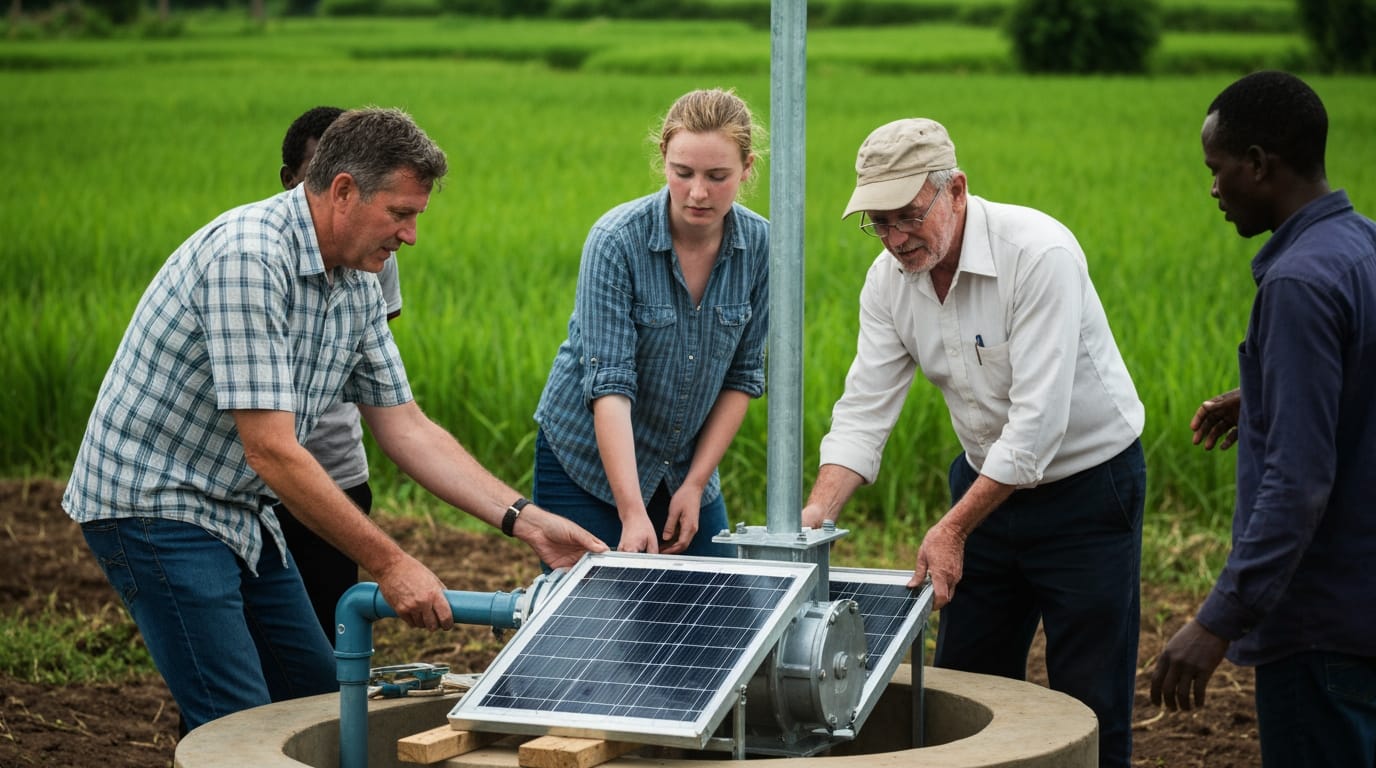
The world is once again confronting the stark realities of its reliance on fossil fuels, as a fresh and severe energy crisis, exacerbated by escalating geopolitical tensions, sends shockwaves across the globe. The recent conflict in the Middle East, particularly the US and Israeli war on Iran and the subsequent disruption to shipping through the crucial Strait of Hormuz, has led to a significant tightening of global oil markets, driving prices upward and creating acute fuel shortages in many nations. This latest shock, following earlier energy upheavals, is acting as a powerful catalyst, compelling countries to make bold and accelerated moves toward a future powered by clean, homegrown energy sources.
The New Energy Shockwave: A World on Edge
The closure of the Strait of Hormuz, a vital passageway for approximately one-fifth of the world's oil supply, has triggered a rapid and systemic disruption to global energy markets. Countries heavily dependent on imported fossil fuels are experiencing severe repercussions, including soaring prices for crude oil, diesel, jet fuel, and liquefied petroleum gas (LPG). This acute supply shock has forced governments worldwide to implement emergency measures. For instance, nations across Asia, particularly vulnerable due to their reliance on Gulf imports, have resorted to demand-side responses like fuel rationing, reduced workweeks, and even school closures to curb consumption. The International Energy Agency (IEA) has recommended immediate actions such as increased remote work, reduced highway speed limits, and decreased business air travel to alleviate pressure on fuel markets, emphasizing that supply measures alone are insufficient to stabilize the situation.
Europe's Accelerated Shift: The 'AccelerateEU' Initiative
In response to rising energy costs and a renewed awareness of its vulnerability to volatile fossil fuel markets, the European Union has unveiled "AccelerateEU," a comprehensive plan designed to bolster energy resilience and fast-track the transition to clean energy. This initiative, presented by the European Commission on April 22, 2026, aims to reduce the EU's dependency on imported fossil fuels, ensuring energy security and providing affordable, homegrown power to its citizens and businesses.
The AccelerateEU plan focuses on five key pillars, including enhanced coordination among member states on actions like refilling gas storage facilities and managing oil stocks. Crucially, it emphasizes accelerating the shift to homegrown clean energy and electrification. This involves measures to encourage manufacturers to boost renewable energy capacity and invest in necessary skills, along with setting electrification targets and removing barriers to electrification in industrial, transport, and building sectors. The Commission is also set to propose changes to network charges and taxation to favor electricity over fossil fuels, underlining a commitment to structural change. While some critics argue the plan lacks sufficient dedicated public funding and a clear, binding timetable for phasing out fossil fuels, proponents believe it marks a significant step towards long-term energy independence.
Sri Lanka's Green Gambit Amidst Scarcity
Halfway across the world, Sri Lanka is navigating its own severe fuel crisis, a culmination of global tensions and pre-existing economic vulnerabilities. The island nation, heavily reliant on imported energy, faces acute fuel shortages, the reintroduction of a QR-based rationing system, and the looming threat of widespread power cuts. This challenging environment, however, is paradoxically propelling a determined pivot towards renewable energy. Sri Lanka has significantly increased its focus on developing its vast renewable energy resources, including wind, solar, and hydro power, with an ambitious target of achieving 70% dependence on renewables by 2030.
The country possesses abundant potential, with a total installed capacity of over 6,000 MW as of late 2024, and estimates suggesting offshore wind capacity alone could be several times its current energy demand. The government, established in 2024, has prioritized reducing reliance on oil-based electricity generation and substantially increasing renewable energy to foster a green economy. Despite the immediate hardships of rationing and efforts to secure alternative fossil fuel supplies, the crisis has underscored the strategic imperative for Sri Lanka to harness its domestic clean energy potential, aiming for greater energy autonomy and reduced exposure to volatile global markets.
Navigating the Transition: Challenges and Perspectives
The current global fuel crisis is intensifying calls for a worldwide fossil fuel phase-out, with over 50 countries expected to discuss accelerated action at upcoming conferences. However, the path to a clean energy future is fraught with challenges. Many developing nations, particularly in the Global South, face a significant "debt trap," where high national debt necessitates reliance on fossil fuel revenues, making a rapid transition financially difficult. Colombia, for example, despite advocating for a global transition away from fossil fuels and halting new oil and gas licenses, grapples with the need for fossil fuel income to service its public debt. Conversely, countries like Jordan have demonstrated that progress is possible, dramatically increasing their share of electricity from renewables despite considerable public debt, by leveraging the significantly cheaper costs of wind and solar.
Even in developed economies, the transition is not without its complexities. Germany, a leader in renewable energy deployment, finds itself debating whether to extend the operational lives of some coal-fired power plants. While its coal exit law aimed for a complete phase-out by 2038, and a more ambitious 2030 target in some regions, delays in building new gas-fired power stations and ongoing energy supply concerns may necessitate keeping coal plants online longer to ensure baseload power generation. This highlights the intricate balance between climate goals, energy security, and economic realities during times of crisis.
The fossil fuel industry, for its part, remains largely skeptical of a rapid transition. Executives from major oil and gas companies have dismissed calls for a swift phase-out, arguing that the current clean energy transition strategy is "visibly failing" and that continued investment in oil and gas is essential for global energy security and prosperity.
A Turning Point for Global Energy
While the immediate impact of the latest fuel crisis is undoubtedly challenging for households and industries worldwide, it is also serving as a critical inflection point. The instability and economic strain wrought by dependence on volatile fossil fuel markets are unequivocally strengthening the case for a comprehensive and accelerated shift to alternative energy sources. Leaders and policymakers are increasingly recognizing that investing in homegrown clean energy is not merely an environmental imperative but a crucial strategy for achieving long-term energy security, economic stability, and resilience against future geopolitical shocks. The bold moves being made by regions like the European Union and nations such as Sri Lanka, even amidst acute scarcity, suggest that the current crisis may ultimately be remembered as the moment the world decisively turned the corner towards a sustainable energy future.