Global Heritage Embraces Alpine Echoes, Nomadic Dwellings, and Storied Canines
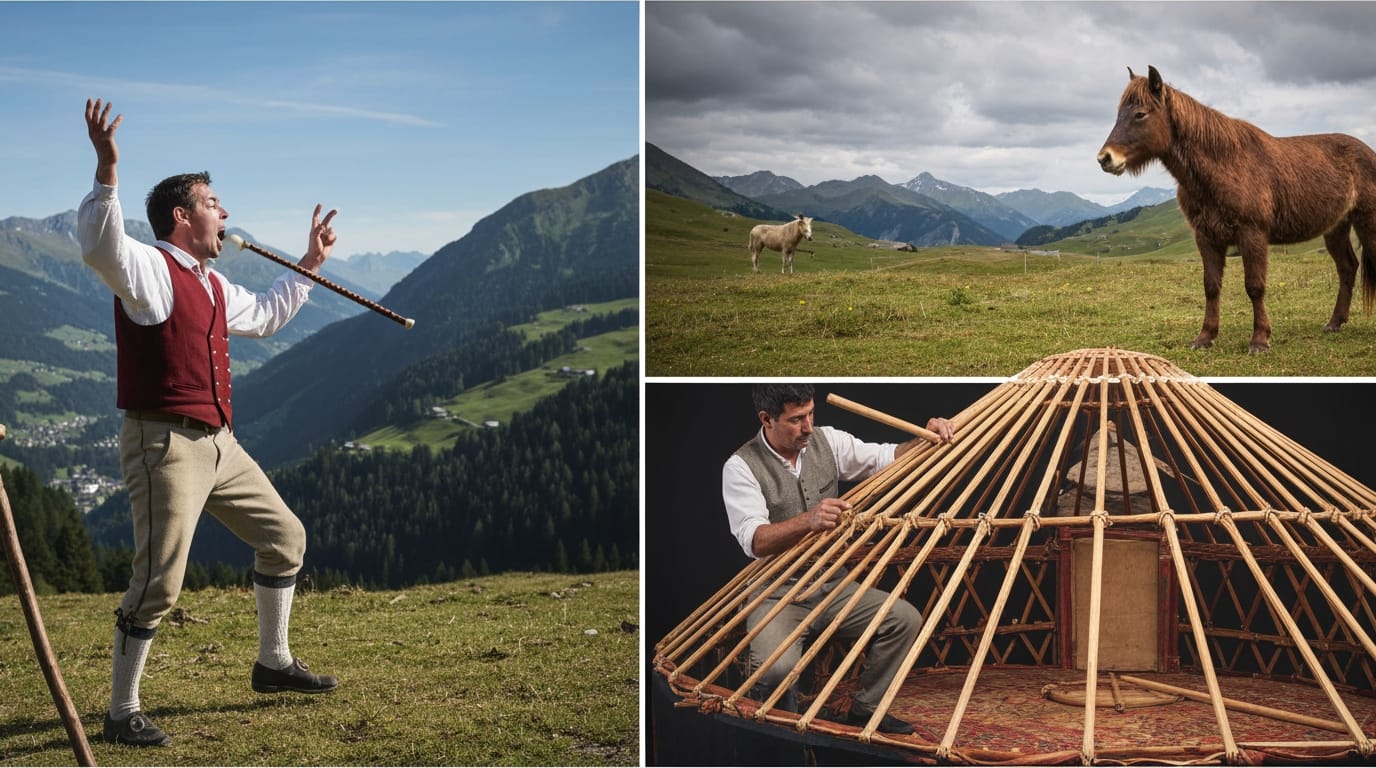
New Delhi, India – The rich tapestry of human culture has seen vibrant new threads woven into its fabric this week as the United Nations Educational, Scientific and Cultural Organization (UNESCO) inscribed a diverse array of practices onto its Representative List of the Intangible Cultural Heritage of Humanity. Among the notable additions are the iconic Swiss yodeling tradition, the intricate art of Central Asian yurt-making, and the revered practice of breeding the Turkmen Alabay dog. These inclusions, formalized during the 20th session of the Intergovernmental Committee for the Safeguarding of the Intangible Cultural Heritage held in New Delhi from December 8 to 13, 2025, underscore UNESCO's ongoing commitment to recognizing and preserving the living traditions that define communities worldwide. The decisions highlight the deep cultural roots and enduring significance of these practices, ensuring their visibility and fostering their transmission for future generations.
The Melodic Echoes of the Alps: Swiss Yodeling Gains Global Recognition
For centuries, the distinctive vocal art of yodeling has resonated through the valleys and across the peaks of the Swiss Alps, serving as both a form of communication and a cherished musical expression. This ancestral sing-song tradition, deeply embedded in the identity of Swiss herders and shepherds, has now earned its place on UNESCO's Intangible Cultural Heritage list. The inscription acknowledges yodeling not merely as a performance art, but as an emblematic song of Switzerland, embodying a wide spectrum of artistic expressions and holding profound significance for its populace.
The technical mastery behind yodeling involves a rapid and skillful alternation between the chest voice and the head voice, creating a unique melodic contour often characterized by meaningless syllables linked to local dialects. While natural yodeling consists of pure melodies without lyrics, yodeling songs integrate verses and refrains, frequently drawing inspiration from nature and everyday experiences. This tradition thrives today through diverse channels of transmission, passed down within families, nurtured in dedicated yodeling clubs, taught in music schools, and shared informally among enthusiasts. The vibrant community surrounding this art form is evident in the more than 12,000 yodelers who are members of 711 groups affiliated with the Federal Yodelling Association, participating in numerous concerts, festivals, and competitions, often adorned in traditional regional costumes. Unlike some previous nominations where Switzerland collaborated with neighboring countries, the bid for yodeling’s recognition was pursued independently, reflecting the nation's singular pride in this cultural hallmark. Beyond its traditional origins, yodeling has also demonstrated a remarkable adaptability, influencing folk and country music abroad and even inspiring contemporary fusions such as "yodelton" in modern musical landscapes. The commitment to its future is further solidified by academic programs, including a master's degree in yodeling offered at Lucerne University of Applied Sciences and Arts since 2018.
Nomadic Engineering and Cultural Identity: The Art of Yurt-Making
In a powerful testament to the ingenuity and enduring cultural practices of Central Asia, the traditional knowledge and skills associated with making yurts have also been added to UNESCO's Representative List. This inscription specifically recognizes the shared heritage of the Kyrgyz, Kazakh, and Karakalpak peoples, whose ancestral nomadic dwellings represent much more than mere shelters. For these communities, the yurt is a profound symbol of national identity, a model of the universe, and a central element in their cultural and spiritual lives.
The journey to this global recognition was a collaborative effort, beginning with an initial joint nomination by Kazakhstan and Kyrgyzstan in 2014, later expanded to include the Karakalpak yurt following a proposal from Uzbekistan. The craftsmanship involved in constructing these portable, circular homes is an intricate blend of design, material knowledge, and communal effort. Typically, men traditionally undertake the demanding task of creating the wooden framework and crafting decorative elements from materials like leather, bone, and metal. Women, in turn, are central to the creation of the felt coverings and the elaborate interior decorations, often weaving intricate designs and patterns that convey deep cultural significance. These skills and knowledge are meticulously passed down through generations, from master to apprentice, and within family units, ensuring the continuity of this vital heritage. The yurt's significance extends into all facets of life, serving as an obligatory component of folk festivals, traditional events, and crucial ceremonies such as funerals and memorial rituals. Preserved within families as sacred relics, yurts embody a sustainable approach to dwelling, constructed from renewable and biodegradable materials, leaving minimal environmental impact. Their recognition underscores the importance of safeguarding traditional architecture and the profound cultural meanings imbued within everyday objects.
The Loyal Guardian: Breeding the Turkmen Alabay
Joining these esteemed traditions is the art of breeding the Turkmen Alabay, a majestic Central Asian shepherd dog that has long served as a faithful companion, protector, and friend to the Turkmen people. While formally listed as a "Nomination: Representative List 2025" on UNESCO's site, the current session in New Delhi has affirmed its inclusion, recognizing the deep cultural ties and traditional practices associated with this ancient breed. The Alabay is far more than an animal; it is a living symbol of national heritage, embodying fortitude, loyalty, and courage, with its presence traced back through millennia in archaeological findings across ancient settlements in Turkmenistan.
The practice of breeding these formidable dogs is a cornerstone of Turkmen culture, reflecting a profound understanding of animal husbandry and a close bond between humans and the natural world. The knowledge and skills required for breeding and caring for Alabays are transmitted through a blend of formal and informal learning, perpetuating a lineage celebrated for its unique traits. Traditional customs surrounding the Alabay include specific naming rituals, dedicated beauty contests that honor their physical prowess and aesthetic, and various racing and riding games that showcase their athleticism and spirit. The breed's unique adaptability to harsh climatic conditions, including extreme temperatures, and its ability to cover extensive distances effortlessly, highlight its resilience and the meticulous breeding efforts over generations.
To protect this invaluable genetic heritage, the export of Alabays, particularly renowned breeding stock, is strictly prohibited, underscoring the breed's cultural value to Turkmenistan. The "Turkmen Alabays" international association actively promotes the breed, developing infrastructure such as kennels and training centers, maintaining pedigree books, and establishing veterinary clinics to ensure the breed's health and continuity. The cultural significance of the Alabay is further marked by the annual Turkmen Alabay Day, celebrated on the last Sunday of October, a national observance that reinforces the dog's important role in the country's cultural and spiritual wealth. These dogs are revered for their discerning character, responding to honesty and trust in relationships, and are often described as "aristocrats with temperament" due to their inherent dignity.
Safeguarding the Spirit of Humanity
The latest inscriptions by UNESCO's Intergovernmental Committee serve as a vital reminder of the imperative to protect the diverse forms of intangible cultural heritage that enrich human experience. The convention, established in 2003 and effective in 2006, seeks to safeguard traditions, oral expressions, performing arts, social practices, rituals, festive events, knowledge and practices concerning nature and the universe, and the knowledge and skills to produce traditional crafts. These elements are deemed inclusive, representative, and community-based, reflecting the collective identity and historical continuity of the groups that practice them.
The recognition of Swiss yodeling, Central Asian yurt-making, and Turkmen Alabay breeding not only elevates these specific traditions on a global stage but also fosters greater respect for cultural diversity and human creativity. By spotlighting these unique practices, UNESCO encourages international cooperation and provides a framework for communities and nations to implement safeguarding measures, ensuring that these invaluable living heritage forms continue to thrive and be transmitted across generations. The spirit of these traditions, from the melodic calls across alpine pastures to the symbolic dwellings of nomadic peoples and the loyal companionship of ancient canine breeds, now enjoys enhanced protection and appreciation worldwide.


