Greece Announces 'Drastic' Defense Overhaul Amid Geopolitical Shifts
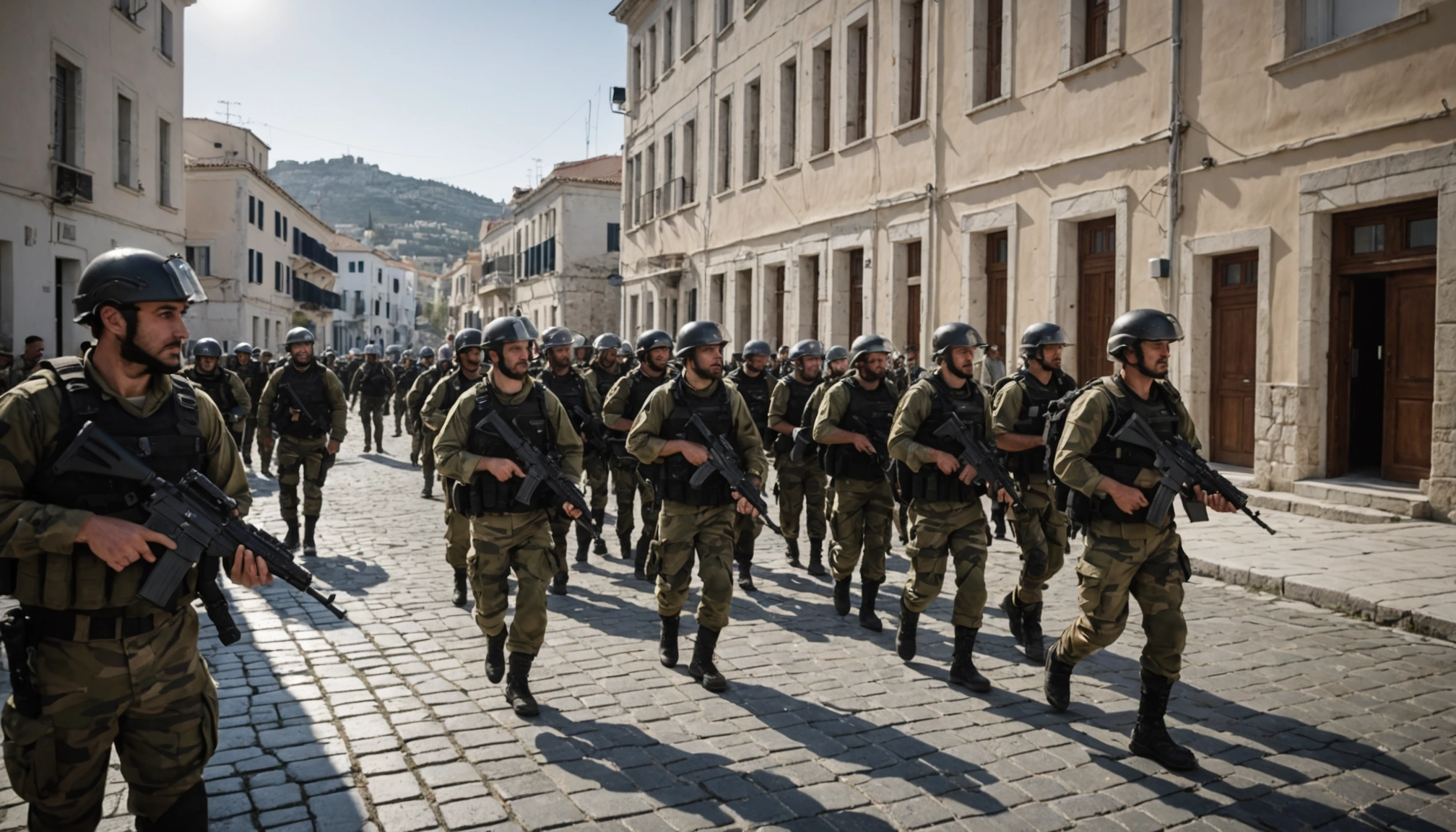
ATHENS – Greece is embarking on a sweeping military modernization program, allocating an estimated 25 billion euros ($27 billion) through 2036 to overhaul its armed forces. Prime Minister Kyriakos Mitsotakis unveiled the ambitious plan Wednesday, citing rapidly changing geopolitical challenges and the need to strengthen the nation's role within the European Union's evolving defense framework. The initiative, dubbed "the most drastic transformation of the armed forces in the country's modern history," aims to equip Greece with cutting-edge technology and enhance its strategic position in the Eastern Mediterranean.
Addressing a 'Different Reality'
The defense overhaul comes at a time of heightened regional instability and shifting global alliances. Tensions with neighboring Turkey over maritime borders, airspace, and energy resources in the Aegean Sea and Eastern Mediterranean have long fueled Greek defense spending. Moreover, the ongoing conflicts in the Middle East and the war in Ukraine have underscored the need for a robust and modernized military.
Defense Minister Nikos Dendias stated last November that Athens must cope with a "different reality" and modernize its forces quickly to meet the challenges of the 21st century. This includes not only addressing the immediate concerns related to Turkey but also adapting to new forms of warfare, such as drone technology and cyber warfare.
Maria Gavouneli, a professor of international law at the University of Athens, noted that the economic crisis of the last decade had caused Greece to fall behind in modernizing its arsenal. The new initiative seeks to rectify this by injecting significant investment into upgrading existing systems and acquiring new capabilities.
'Achilles's Shield' and Technological Advancements
A centerpiece of the modernization plan is the "Achilles's Shield," a new anti-missile, anti-aircraft, and anti-drone defensive system. This initiative reflects the growing importance of countering aerial threats and protecting critical infrastructure. Greece is reportedly in negotiations with Israel to acquire the system, while also considering potential suppliers from France, Italy, and Norway for unmanned vessels, drones, and advanced radar systems.
The focus on technology extends beyond air defense. The government plans to integrate cutting-edge technology into all branches of the armed forces, including cyber defense and modern cyber warfare tactics, drawing lessons from the war in Ukraine. This includes collaborations with research institutions and Greek defense firms to foster innovation and develop domestically produced weapons systems.
Boosting Domestic Defense Industry
A key principle of the revamped program is the active participation of Greece's domestic defense industry. Prime Minister Mitsotakis has stated that "no procurement will take place without Greek-made components or Greek workforce involvement." This requirement aims to stimulate the local economy, create jobs, and reduce reliance on foreign suppliers.
International defense contractors will be required to partner with local industries, including Hellenic Aerospace Industry, shipyards, and Greek Defense Systems. The government is reviewing a proposal from French defense giant Naval Group to establish a production line in Greece, further demonstrating its commitment to strengthening the domestic defense sector.
Financial Commitment and NATO Obligations
Greece has consistently exceeded NATO's spending target of 2% of GDP on defense, driven by its ongoing tensions with Turkey. This year, the nation's military budget doubled to 6.13 billion euros ($6.6 billion), placing it among the top NATO member states in terms of defense spending as a percentage of GDP, alongside Poland, Estonia, and Latvia.
The increased spending aligns with recommendations from the United States and the European Union to bolster defense capabilities. European Commission President Ursula von der Leyen has urged the EU to ramp up arms spending in response to Russia's growing threat, further highlighting the importance of collective defense efforts.
Balancing Regional Tensions and European Integration
While the modernization plan is driven in part by concerns over Turkey, it also reflects a broader effort to strengthen Greece's role as a key pillar of European security. Maria Gavouneli emphasized that Greece has historically served and will continue to serve as an outpost for Europe, which is currently seeking to reorganize its defense in a difficult international setting.
The acquisition of new weapons systems, such as the US-made F-35 fighter jets and the French-made Rafale fighter jets and Belharra-class frigates, demonstrates Greece's commitment to interoperability with its NATO allies and its willingness to invest in advanced military capabilities.
A Comprehensive Transformation
Greece's "drastic" defense overhaul represents a significant investment in the nation's security and its role in the region. By prioritizing technological advancements, boosting the domestic defense industry, and maintaining a strong commitment to NATO, Greece aims to modernize its armed forces and address the evolving geopolitical challenges of the 21st century. The success of this ambitious plan will depend on effective implementation, strategic partnerships, and a continued commitment to fiscal responsibility.
Related Articles


Ratko Mladić, "Butcher of Bosnia" and Convicted War Criminal, Dies at 84
THE HAGUE, Netherlands – Ratko Mladić, the former Bosnian Serb military commander known as the "Butcher of Bosnia" and convicted of genocide, war crimes, and crimes against humanity, has died at the age of 84. Serbian...


Long-Awaited 9/11 Mastermind Trial Set for 2028, Decades After Attacks
GUANTANAMO BAY, Cuba – Nearly a quarter-century after the devastating terror attacks of September 11, 2001, a military judge has finally set a trial date for Khalid Sheikh Mohammed, the alleged mastermind behind the...