Greeks Stage Mass Protests on Anniversary of Deadly Tempi Train Crash
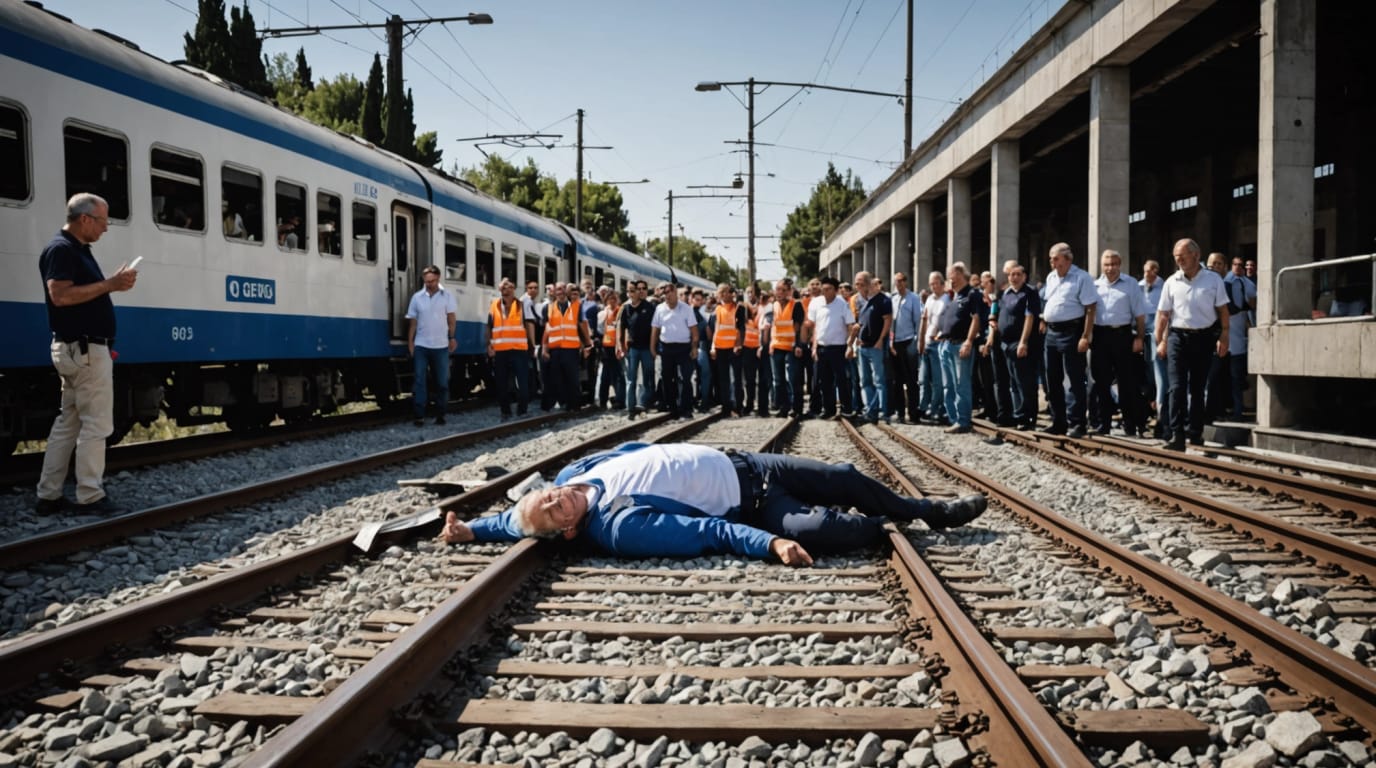
ATHENS, Greece – Hundreds of thousands of Greeks participated in a nationwide general strike and mass protests on Friday, marking the second anniversary of the Tempi train crash that killed 57 people, mostly students. The tragedy has become a symbol of institutional failure in the country, fueling public anger and demands for accountability.
The 24-hour strike paralyzed the nation, halting train and ferry services, grounding flights, and disrupting public services. Rallies took place across Greece, with tens of thousands gathering in Syntagma Square in central Athens, watched by police in riot gear.
The head-on collision between a passenger train and a freight train near the Tempi gorge in central Greece on Feb. 28, 2023, exposed severe deficiencies in the nation's transport infrastructure and sparked widespread criticism of the government's handling of the aftermath.
Nationwide Strike Paralyzes Greece
The general strike, called by major labor unions, saw participation from various sectors, including air traffic controllers, seafarers, train drivers, teachers, lawyers, and doctors. This widespread participation underscores the depth of public discontent and the demand for systemic change.
The action brought the country to a standstill, with significant disruptions to daily life. All forms of public transportation were halted, leaving many unable to commute to work or carry out their daily routines.
Protesters Demand Justice and Accountability
The protests were largely driven by relatives of the victims, who accuse the government of inaction and attempting to evade responsibility for the disaster. Demonstrators carried banners with slogans such as "Government of murderers," reflecting the intense anger and frustration felt by many.
"The full truth must come to light, and those responsible, no matter how high their position, must be held accountable," said Yannis Panagopoulos, president of the General Confederation of Greek Workers, the country's largest labor union.
The protesters are demanding that politicians be held accountable for the failures that led to the crash. So far, only rail officials have been charged with crimes, and no trial has been held.
Independent Report Highlights Systemic Failures
The protests coincided with the release of an independent report that pointed to systemic failures in the operation of the Greek railways. The report cited a lack of funding and human resources, combined with human errors made by the stationmaster on duty and other railway officials.
The report's findings have further fueled public anger and strengthened the calls for accountability and reform. Critics argue that the government has failed to address the underlying issues that contributed to the tragedy.
Clashes Erupt Between Protesters and Police
While the majority of the protests were peaceful, clashes broke out between groups of hooded protesters and police in Athens. Protesters hurled petrol bombs, and police responded with tear gas, dispersing the crowd.
According to Greek national broadcaster ERT, fifteen people sustained minor injuries, and police arrested at least 41 protesters. These clashes highlight the heightened tensions and the potential for further unrest.
Political Fallout and Future Implications
The Tempi train crash has had significant political repercussions in Greece. Opposition parties have announced plans to submit a censure motion against the government, pressing for the prosecution of politicians.
Opinion polls suggest that a majority of Greeks believe authorities have not done enough to shed light on the fatal train crash. This widespread dissatisfaction could have significant implications for the government's future.
The disaster has also raised serious questions about the safety and reliability of Greece's infrastructure. The government is under pressure to implement reforms and invest in improving the country's transport systems.
International Solidarity
Demonstrations in support of the Greek protesters were held at more than 100 Greek embassies and consulates internationally, across all six inhabited continents. Major international rallies included Berlin, Germany; London, Edinburgh and Manchester in the UK; Rio de Janeiro in Brazil; New York and Boston in the US; and Sydney, Australia.
A Nation United in Grief and Anger
The second anniversary of the Tempi train crash served as a powerful reminder of the human cost of institutional failures. The mass protests and general strike demonstrated the depth of public anger and the determination to hold those responsible accountable. As Greece grapples with the aftermath of this tragedy, the calls for justice, reform, and improved safety are likely to continue. The events of the past few days underscore the need for meaningful change and a renewed commitment to ensuring the safety and well-being of all citizens.


