Green Shoots Emerge: A Week of Environmental Victories Signals Hope for the Planet
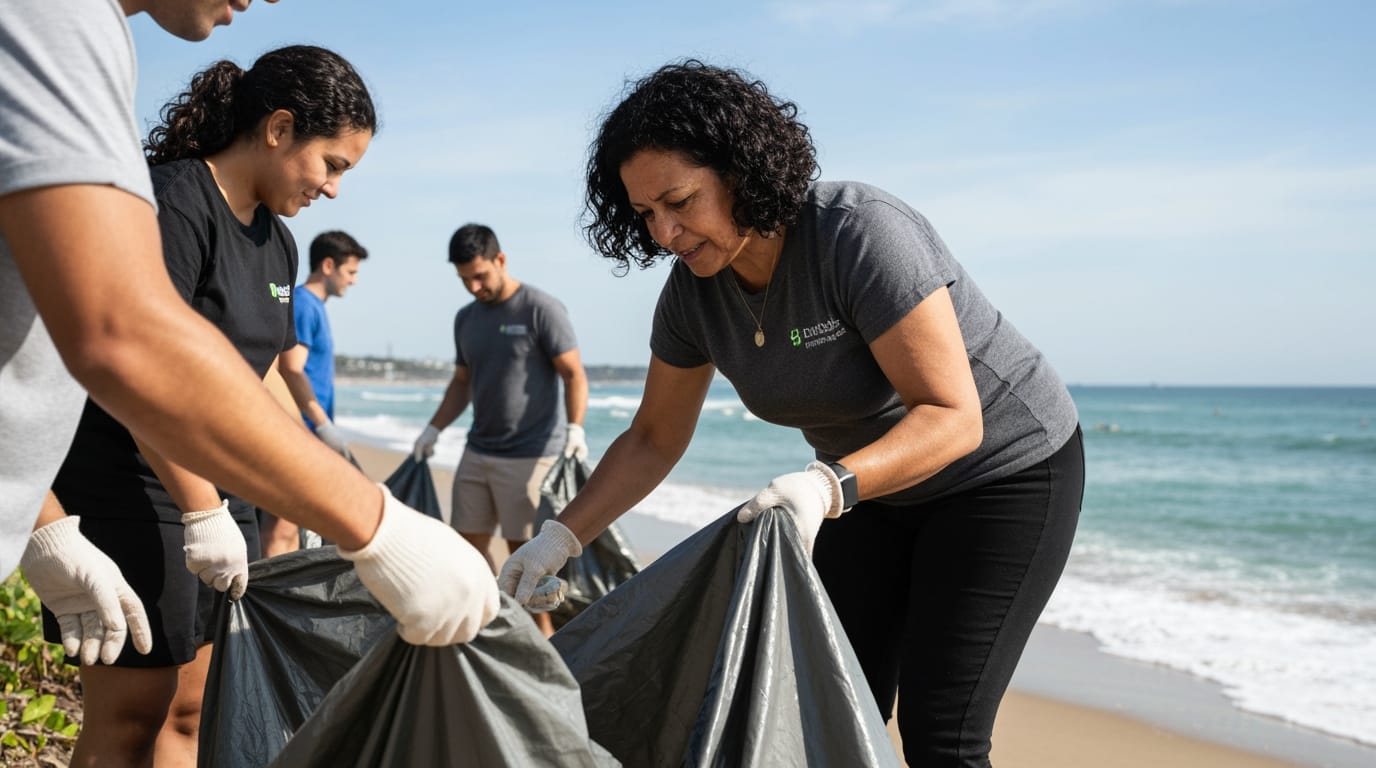
In a world often dominated by dire environmental warnings, this past week has delivered a refreshing series of victories, offering tangible proof that concerted global efforts, scientific innovation, and community action are driving significant positive change. From groundbreaking shifts in energy production to remarkable species recoveries and innovative pollution solutions, these successes underscore a growing momentum in the fight for a healthier planet. This wave of positive developments provides a crucial counter-narrative, illustrating that environmental challenges, while immense, are not insurmountable when met with dedication and foresight.
Renewable Energy Reaches Historic Milestones
The transition to clean energy continues its accelerated pace, with several regions reporting pivotal advancements that signal a global energy paradigm shift. The European Union, in particular, has marked a historic milestone: in 2025, wind and solar power combined to generate more electricity than fossil fuels for the first time, accounting for 30% of the bloc's electricity supply compared to fossil fuels' 29%. Furthermore, in May 2026, solar energy alone generated more electricity than fossil fuels across the EU, supplying 18% of the EU's total electricity. This achievement underscores a structural shift where renewables are increasingly becoming the backbone of Europe's energy system.
Beyond Europe, other nations are also making colossal strides. India is constructing the Kavda Renewable Energy Park, a monumental solar and wind farm the size of Singapore, projected to power approximately 18 million households upon completion. This ambitious project is a cornerstone of India's commitment to lessen its long-term dependence on non-renewables and achieve net-zero emissions by 2070. Meanwhile, in the United States, the SunZia Wind project in New Mexico, featuring 916 wind turbines, is preparing for commercial operations. This massive undertaking is designed to generate enough electricity for three million people across California and Arizona, significantly boosting the nation's clean energy capacity. Policy initiatives are also playing a crucial role, with Ethiopia implementing a world-first ban on the import of fossil fuel-powered vehicles, which has led to a notable surge in electric vehicle adoption within the country. These developments collectively highlight an accelerating global commitment to decarbonization and a future powered by sustainable sources.
Iconic Species Rebound and Habitats Revitalized
Nature's resilience, aided by dedicated conservation efforts, is yielding inspiring comeback stories for some of the world's most vulnerable species. The green sea turtle, once facing severe threats, has seen a remarkable recovery. The International Union for Conservation of Nature (IUCN) recently downlisted the species to "least concern," a testament to successful global conservation initiatives. Populations have increased by approximately 28% since the 1970s and 1980s, demonstrating what coordinated, long-term action can achieve in reversing biodiversity loss.
Similarly, efforts to combat wildlife crime are showing promising results. Poaching of African white rhinos has been on a downward trend since 2021, reaching its lowest rates in 2025 since 2011. In a significant achievement, the Indian state of Assam reported zero one-horned rhinos poached in 2025, signaling the effectiveness of intelligence-led enforcement and community engagement in securing habitats. Beyond these well-known species, smaller but equally vital successes are emerging. In Patagonian Argentina, the critically endangered Hooded Grebe has returned to lakes where it had not been seen for five years, thanks to the recovery of key wetland habitats following heavy snowfall. This resurgence raises expectations for new colonies to form in early summer 2025. Additionally, Bulgaria celebrated the formation of a new breeding colony of Dalmatian Pelicans, the first such occurrence in 80 years at the Mandra-Poda wetland complex, now home to 23 nests. These instances of species recovery serve as powerful reminders that dedicated conservation can indeed allow nature to bounce back.
Cleaning Up Pollution and Innovative Solutions
Progress in tackling pollution and restoring degraded ecosystems offers further cause for optimism. A prime example is the dramatic improvement in the Long Island Sound, where hypoxia levels—low oxygen conditions detrimental to marine life—reached their lowest point in 40 years in 2025. The Sound's "dead zones" significantly shrank to 18.3 square miles and lasted only 40 days, a considerable reduction from 43 square miles in 2024 and 127 square miles in 2023. This recovery is attributed to decades of sustained local and state-led efforts to reduce nitrogen pollution, alongside favorable dry summer conditions.
Adding to the arsenal against environmental contaminants, scientists at the University of Hawaii at Mānoa have made a significant breakthrough in addressing plastic pollution. They have identified numerous marine fungi species around the Hawaiian islands that can naturally degrade plastic. Crucially, researchers have successfully trained some of these fungi to consume microplastic particles up to 15% faster within just three months, offering a potential biological solution to the pervasive problem of plastic waste. Furthermore, advancements in coral reef restoration are showing promise. A new compound called Snap-X, designed to attract coral, has been shown in laboratory tests to promote coral resettlement at six times the rate of untreated surfaces, and by 20 times in simulated reef environments. This innovation could be critical for the recovery of coral reefs globally, many of which experienced severe bleaching events earlier this year. These scientific and ecological achievements demonstrate a growing capacity to heal past damages and prevent future environmental harm.
Forward-Thinking Policies and Collaborative Conservation
Beyond scientific and on-the-ground conservation efforts, legislative and diplomatic achievements are laying the groundwork for broader, systemic environmental protection. The High Seas Treaty, a landmark international agreement aimed at protecting marine biodiversity in areas beyond national jurisdiction, officially entered into force in early 2026. This treaty represents a crucial step towards safeguarding approximately two-thirds of the world's oceans, which have historically lacked adequate environmental regulation. In a bold move against persistent pollutants, France has implemented a ban on "forever chemicals," or PFAS, addressing a critical public health and environmental concern.
Collaborative initiatives continue to demonstrate their power in achieving significant conservation outcomes. Dr. Fernando Trujillo spearheaded an 11-country agreement focused on protecting river dolphins across the globe, uniting nations in a shared commitment to these vulnerable aquatic mammals. In Argentina, Dr. Pablo Borboroglu secured the country's first conviction for ecocide, a groundbreaking legal victory that strengthens protections for wildlife and the habitat of the world's largest Magellanic penguin colony. These legal and collaborative frameworks are essential for scaling up conservation efforts and ensuring long-term environmental stewardship.
The confluence of these varied successes—from technological innovation in renewable energy and pollution control to the inspiring recovery of species and pivotal policy advancements—paints a picture of genuine progress. While the scale of environmental challenges remains vast, these "wins of the week" serve as a potent reminder that positive change is not only possible but is actively happening across the globe. They provide crucial inspiration for continued action, reinforcing the idea that a sustainable future is within reach through persistent effort and collective commitment.