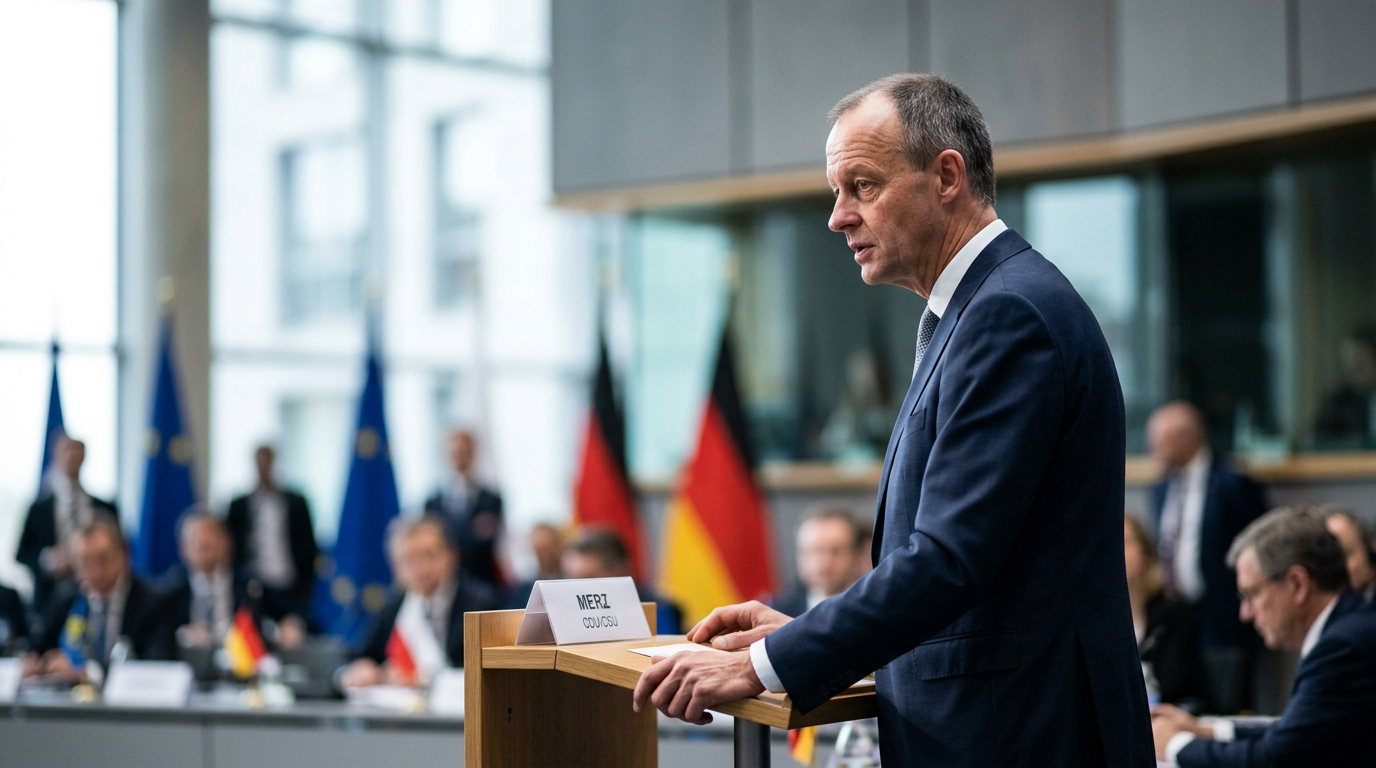
Greenland's Prime Minister Rejects US Acquisition Amidst Renewed Trump Interest
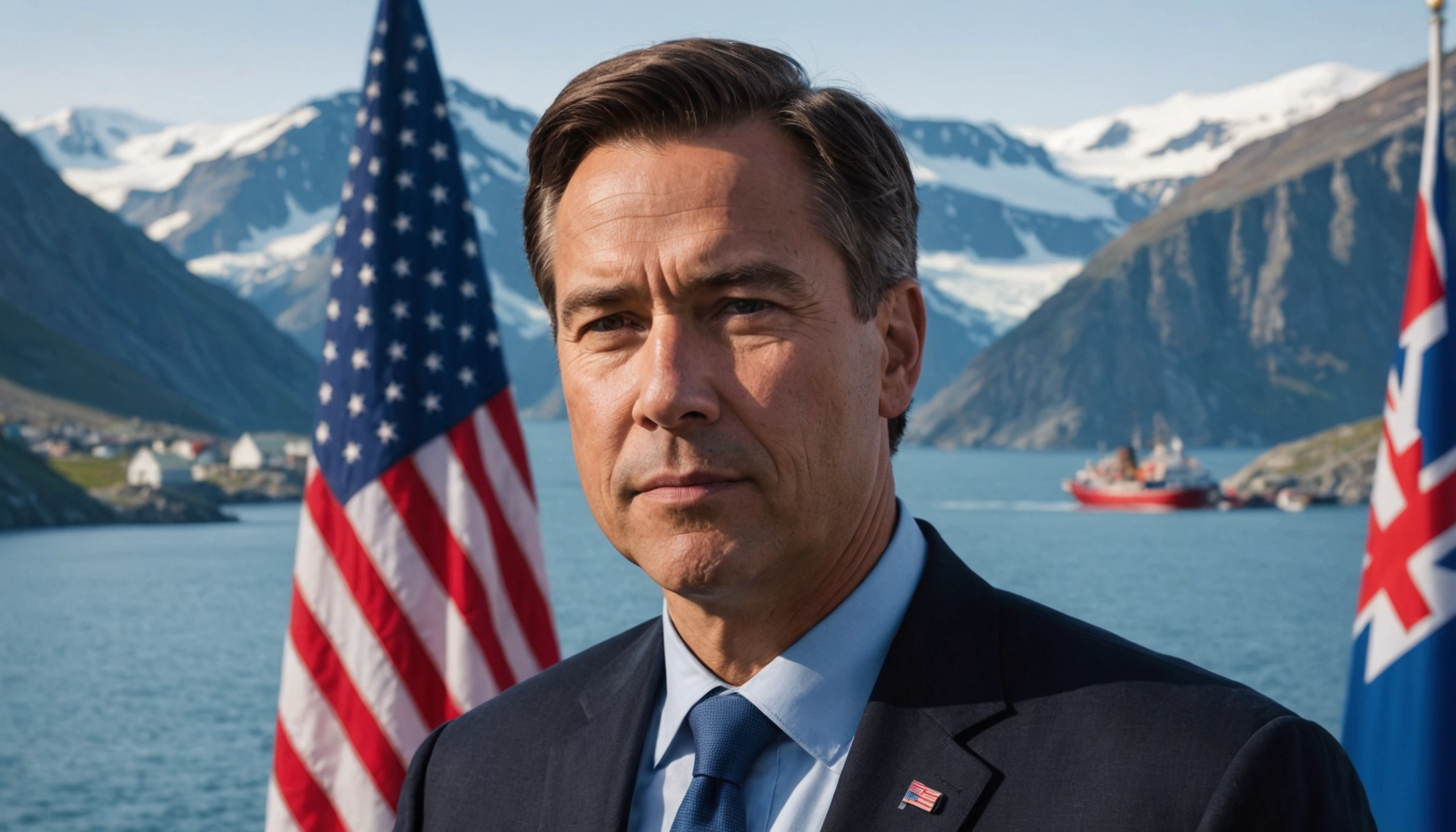
Nuuk, Greenland - Greenland's newly elected Prime Minister Jens-Frederik Nielsen has firmly rejected renewed suggestions from U.S. President Donald Trump that the United States will acquire the Arctic island. Nielsen's statement underscores the growing tension between Greenland and the U.S. as Trump's administration intensifies its pursuit of the territory, citing national security and economic interests.
Greenland's Sovereignty Asserted
In a resolute Facebook post on Sunday, Nielsen addressed Trump's assertions directly. "President Trump says that the United States 'will get Greenland.' Let me be clear: The United States will not get it. We do not belong to anyone else. We decide our own future," Nielsen declared. His comments followed an NBC News interview where Trump stated that military force was not off the table in acquiring Greenland, a statement that has ignited widespread condemnation in Greenland and Denmark.
Nielsen's firm stance reflects the overwhelming sentiment among Greenlanders, who largely oppose becoming part of the United States. Opinion polls consistently show that the majority of Greenlanders favor eventual independence from Denmark but strongly reject U.S. annexation.
Trump's Pursuit of Greenland
President Trump has repeatedly expressed his desire to acquire Greenland, citing its strategic importance and vast natural resources. During his address to Congress, Trump emphasized the need for Greenland for national security, stating, "We need Greenland for national security and even international security." He also extended an invitation to the people of Greenland, saying, "We strongly support your right to determine your future, and if you choose, we welcome you into the United States of America."
Trump's interest in Greenland dates back to his first term in office when he floated the idea of purchasing the island from Denmark. The proposal was swiftly rejected by the Danish government, but Trump has revived the pursuit during his current administration. He has even suggested that military force could be used to acquire the territory, a notion that has sparked outrage and concern among Greenlandic and Danish leaders.
Strategic and Economic Significance
Greenland's strategic location in the Arctic and its abundant natural resources have made it a focal point of international interest. The island is rich in minerals, including rare earth elements crucial for modern technology, and is strategically located for military and security purposes.
The United States has long recognized Greenland's importance, maintaining a military presence on the island since World War II. The U.S. Air Force operates the Thule Air Base in northwestern Greenland, a critical installation for missile warning and space surveillance.
As the Arctic region becomes more accessible due to melting sea ice, Greenland's strategic value is expected to increase. The opening of new shipping routes could transform Greenland into a major international maritime hub, connecting Asia, Europe, and North America.
Greenland's Perspective
Despite the U.S. interest, Greenlandic leaders have consistently asserted their right to self-determination and have expressed a desire to maintain their autonomy. Prime Minister Nielsen's recent statement underscores this sentiment, emphasizing that Greenland's future will be decided by its own people, not by foreign powers.
Greenland's relationship with Denmark is also a key factor in the equation. Greenland is a self-governing territory within the Kingdom of Denmark, and Denmark oversees its foreign and security policy. While Greenland is moving towards greater independence, it still relies on Denmark for economic support and defense.
International Reactions and Implications
Trump's pursuit of Greenland has drawn criticism from international allies and has raised questions about U.S. foreign policy. Some experts argue that a forced acquisition of Greenland would violate international law and undermine the principle of national sovereignty.
Danish leaders have also voiced their disapproval of Trump's approach. Foreign Minister Lars Lokke Rasmussen criticized the tone used by U.S. officials, stating, "This is not how you speak to your close allies."
The situation has also sparked concerns about the potential for increased tensions in the Arctic region. With Russia and China also vying for influence in the Arctic, Trump's aggressive pursuit of Greenland could further complicate the geopolitical landscape.
Future of Greenland-US Relations
Despite the current tensions, Greenland remains open to cooperation with the United States. Greenland's 2024 foreign, security, and defense strategy emphasizes a willingness to strengthen ties with the U.S., particularly in the areas of trade and investment.
A potential U.S.-Greenland trade agreement could benefit both countries, fostering economic growth and strengthening the bilateral relationship. Greenland is seeking to diversify its economy and attract foreign investment, while the U.S. is looking to secure access to critical minerals and expand its presence in the Arctic.
Conclusion
The future of Greenland remains uncertain as President Trump continues to pursue its acquisition. While Greenlandic leaders have firmly rejected the notion of becoming part of the United States, the island's strategic importance and abundant resources will likely keep it at the center of international attention. The path forward will require careful diplomacy, respect for Greenland's sovereignty, and a commitment to peaceful cooperation in the Arctic region.
Related Articles

Ratko Mladić, "Butcher of Bosnia" and Convicted War Criminal, Dies at 84
THE HAGUE, Netherlands – Ratko Mladić, the former Bosnian Serb military commander known as the "Butcher of Bosnia" and convicted of genocide, war crimes, and crimes against humanity, has died at the age of 84. Serbian...


Long-Awaited 9/11 Mastermind Trial Set for 2028, Decades After Attacks
GUANTANAMO BAY, Cuba – Nearly a quarter-century after the devastating terror attacks of September 11, 2001, a military judge has finally set a trial date for Khalid Sheikh Mohammed, the alleged mastermind behind the...