Guinea-Bissau Gripped by Confusion and Anger Following November Coup
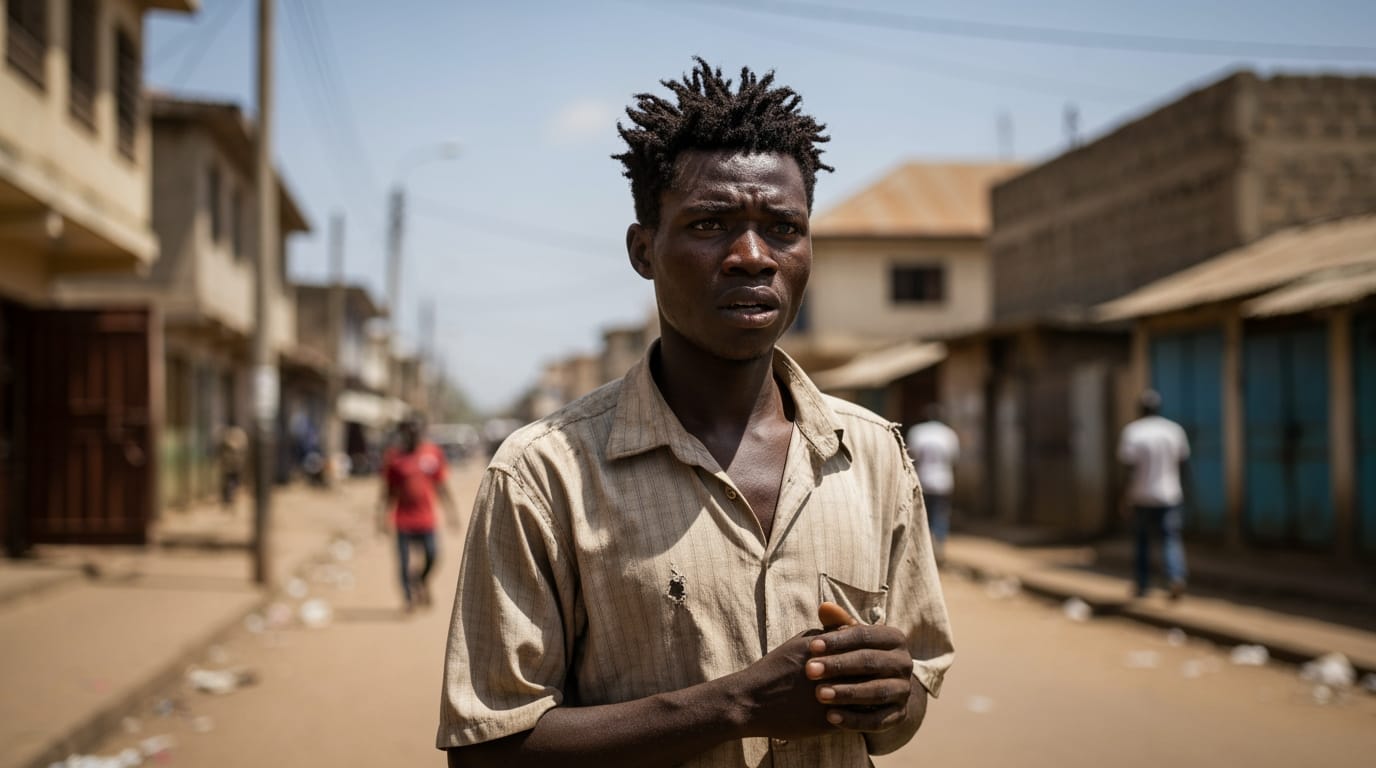
BISSAU – The small West African nation of Guinea-Bissau remains embroiled in a profound crisis of confusion and anger, nearly two months after a military coup abruptly halted a presidential election process in November 2025. The unexpected takeover, which saw the ousting of President Umaro Sissoco Embaló just a day before election results were to be announced, plunged an already fragile democracy into renewed uncertainty and sparked widespread condemnation from the international community. Citizens, who had hoped for a peaceful democratic transition, now grapple with a reality defined by fear, political instability, and a deeply uncertain future.
A Disputed Election and a Swift Takeover
The seeds of the latest turmoil were sown on November 23, 2025, when Guinea-Bissau held its presidential elections. President Umaro Sissoco Embaló was seeking a second term, but the electoral process was marred by controversy even before the coup. Days after the vote, on November 26, 2025, military officers seized control, dissolving national institutions and suspending the announcement of election results that had been scheduled for the following day. Gunfire erupted near the presidential palace in Bissau, plunging the capital into chaos and sending residents fleeing in panic.
Brigadier General Dinis Incanha and General Horta Inta-A Na Man were identified as key figures in the military command that declared "total control" over the country, proclaiming General Inta-A Na Man as the interim president. Soldiers reportedly broke into the electoral commission headquarters, seizing ballots, vote tallies, and destroying servers containing the election results. The military justified its actions by claiming to thwart a plot by unnamed politicians, allegedly backed by a "well-known drug baron," to destabilize the nation. They asserted their intervention was a necessary response to a growing threat that endangered democracy and the political stability of Guinea-Bissau, suggesting drug traffickers were attempting to manipulate the electoral process. President Embaló was arrested during the takeover and later managed to communicate his deposition to the press before ultimately fleeing the country, first to Senegal, then Congo, and finally settling in Morocco.
International Outcry and Regional Dilemmas
The military takeover drew swift and forceful condemnation from regional and international bodies. The Economic Community of West African States (ECOWAS) immediately suspended Guinea-Bissau from its decision-making bodies and called for the restoration of constitutional order, demanding the prompt release of election results. ECOWAS subsequently dispatched a high-level mediation mission to engage with the military leaders. Similarly, the African Union (AU) suspended Guinea-Bissau from its activities, echoing calls for respect of the electoral process and constitutional governance.
The United Nations Secretary-General, António Guterres, expressed deep concern, condemning the coup and urging all stakeholders to exercise restraint, uphold the rule of law, and resolve disputes through peaceful dialogue. The UN High Commissioner for Human Rights voiced alarm over reports of politically motivated arrests, excessive use of force by the military, temporary shutdowns of independent radio stations, and disruptions to internet access.
However, the international response was not without its nuances and complications. Some regional figures, including Senegal's Prime Minister Ousmane Sonko and Nigeria's former President Goodluck Jonathan, who had led an ECOWAS observer mission, publicly cast doubt on the authenticity of the coup. They suggested it might have been a "sham" or "ceremonial coup," potentially orchestrated by Embaló himself to avoid a likely electoral defeat and maintain power. This skepticism highlighted the complex and often murky political landscape of Guinea-Bissau, where accusations of staged events are not uncommon.
Life Under Military Rule: Confusion, Fear, and Mixed Reactions
For the ordinary citizens of Guinea-Bissau, the coup brought immediate fear and widespread confusion. Eyewitness accounts from the capital, Bissau, described scenes of panic as gunshots rang out near the presidential palace. Many people, including market vendors, fled in all directions, some sustaining injuries in the chaos. A mother of three recounted hearing gunfire and instinctively trying to pack bags to leave, reflecting a populace accustomed to political volatility.
The political vacuum and military presence have fostered an environment where confusion and anger are palpable. While some residents expressed profound unhappiness, lamenting that the coup "puts the country into chaos," others held mixed reactions. A segment of the population, weary of chronic instability and poverty, reportedly welcomed the military's intervention, hoping for an "orderly transition" and improved living conditions, even if achieved through unconstitutional means.
The military junta has also tightened its grip on information. Journalists in Guinea-Bissau now operate in an atmosphere of increased risk and self-censorship. The High Military Command issued an order prohibiting "unauthorized press conferences or public statements," effectively stifling independent reporting. Independent media outlets were reportedly suspended, leaving only state-owned broadcasters to transmit the junta's official announcements, severely limiting the public's access to diverse information.
A Nation Adrift: Deep-Rooted Instability and Future Uncertainty
The latest coup in Guinea-Bissau is not an isolated incident but rather another chapter in a long history of political turbulence. Since gaining independence from Portugal in 1974, the nation has endured over a dozen coups, attempted coups, mutinies, and assassinations, earning it a reputation as part of West Africa's "coup belt." This chronic instability is often attributed to weak state institutions that have historically failed to resolve electoral disputes or constrain government overreach, thereby creating a vacuum ripe for military intervention.
Economically, Guinea-Bissau remains one of the world's poorest countries, with a per capita GDP of just $670. This economic vulnerability exacerbates political tensions, as competition for state resources often fuels conflict. Beyond internal political dynamics, Guinea-Bissau also faces the pervasive challenge of drug trafficking. The country has been labeled a "narco-state" by international bodies, serving as a critical transit hub for drugs moving between Latin America and Europe. The influence of drug cartels is deeply intertwined with political instability, as they thrive in the absence of legitimate and strong governance, often seeking to fund or support those in power to facilitate their operations. The military's claim of thwarting drug-related destabilization attempts, though met with skepticism, underscores the persistent and corrosive impact of this trade on the nation's political fabric.
The coup also highlights broader regional challenges. As West Africa experiences an alarming rise in military takeovers, ECOWAS faces a credibility test. The withdrawal of Burkina Faso, Mali, and Niger from the bloc earlier in 2025 further complicated regional efforts to uphold democratic principles.
Conclusion
The current situation in Guinea-Bissau is a complex tapestry of domestic discontent, regional pressures, and international concern. The military's seizure of power has entrenched a cycle of political instability, fueled by a history of weak institutions and the persistent challenge of drug trafficking. For the citizens, the immediate aftermath has been characterized by fear, confusion, and a struggle for reliable information, all while some harbor a desperate hope for a more stable future, regardless of how it is achieved.
As regional and international bodies continue to press for the restoration of constitutional order and the release of electoral results, the path forward for Guinea-Bissau remains fraught with uncertainty. The enduring confusion and anger among its populace reflect the deep wounds inflicted by recurrent political upheavals, leaving the nation at a critical juncture with no clear resolution in sight.


