Guinea's Junta Leader Poised for Election Victory Amidst Mounting Concerns
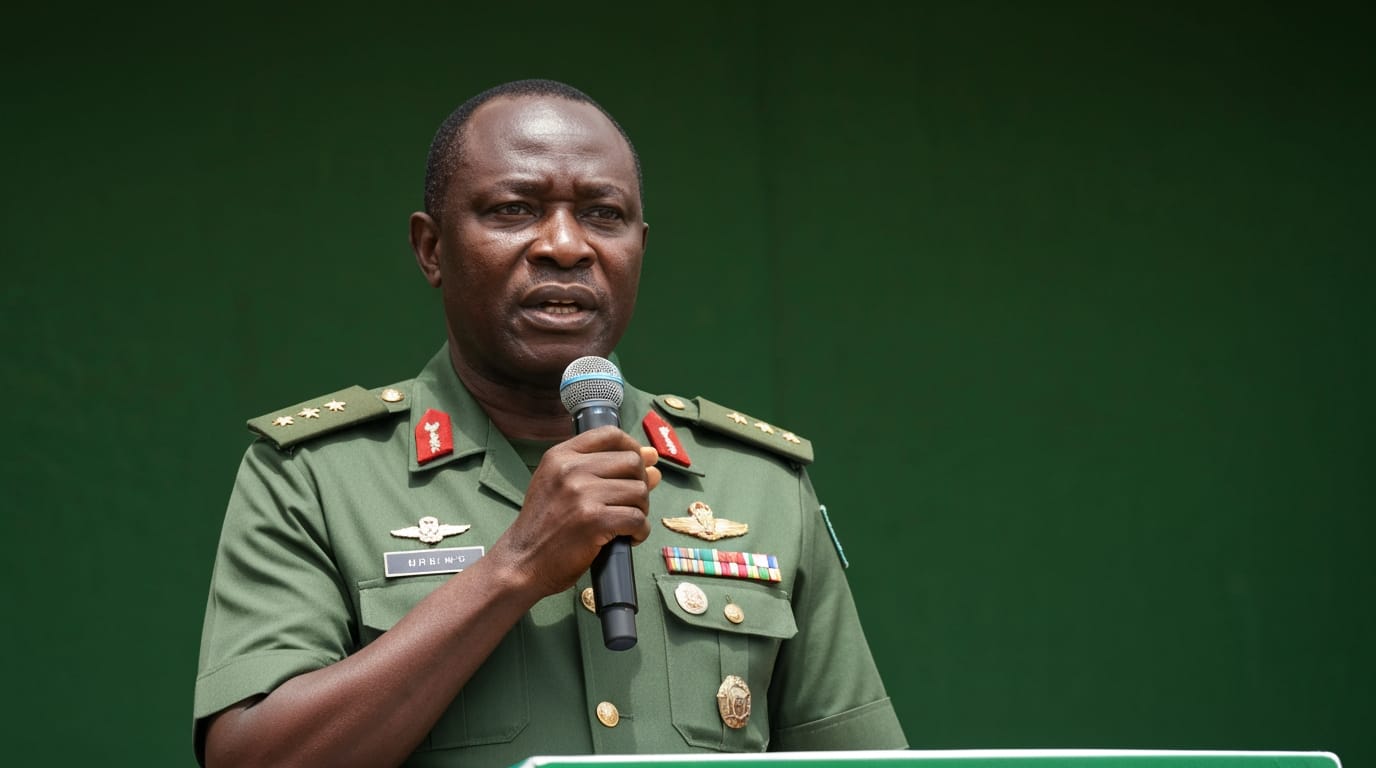
Conakry, Guinea – As Guinea prepares for a pivotal presidential election on December 28, 2025, the anticipated victory of incumbent military leader General Mamady Doumbouya casts a long shadow over the nation's democratic aspirations. Four years after seizing power in a coup, Doumbouya's formal candidacy, a reversal of his earlier pledges, and a recently adopted constitution that paves his way to a seven-year term have ignited widespread controversy and raised serious questions about the integrity of the electoral process. With major opposition figures sidelined and a climate of restricted civic freedoms, the poll is widely viewed as a critical test for Guinea’s trajectory and a significant moment for West African democracy.
The Coup and the Unfulfilled Promise of Transition
General Mamady Doumbouya, then a colonel and head of the Special Forces Group, emerged onto Guinea's political stage on September 5, 2021, when he led a military coup that ousted President Alpha Condé. Condé's overthrow followed his controversial third term, secured through a constitutional referendum that many viewed as an autocratic overreach. The coup, initially met with a mix of relief and cautious optimism by some Guineans weary of Condé's prolonged rule, came with Doumbouya's explicit promise of a swift return to civilian governance. Crucially, he declared that neither he nor any member of his transitional government would seek office in subsequent elections, asserting, "As soldiers, we value our word very much." This pledge was seen as a cornerstone of the junta's initial legitimacy, both domestically and internationally.
The military takeover was attributed to widespread corruption, economic mismanagement, and a perceived lack of political inclusivity under Condé's administration. International bodies, including the Economic Community of West African States (ECOWAS) and the African Union, swiftly condemned the coup and suspended Guinea from their decision-making bodies, demanding a clear roadmap for a return to constitutional order. Under pressure, the junta initially outlined a transition timeline, with elections anticipated by the end of 2024. However, these deadlines were missed, fueling growing skepticism about the military's commitment to relinquishing power.
A Constitutional Shift Paving the Way for Continued Rule
The path for General Doumbouya's presidential bid was meticulously laid through a series of political maneuvers culminating in a controversial constitutional referendum in September 2025. This new constitution, drafted under Doumbouya's administration and approved by an overwhelming 89.39% of votes cast, quietly overturned the earlier commitment that barred junta members from contesting future elections. It established new eligibility criteria, including an age limit between 40 and 80 and a residency requirement in Guinea, effectively excluding former President Alpha Condé and other key opposition figures living abroad.
Furthermore, the new charter extended presidential terms from five to seven years, renewable once. This constitutional rewrite, critics argue, was specifically designed to facilitate Doumbouya's presidential ambitions and extend his grip on power for potentially another 14 years. Following the referendum, Doumbouya officially submitted his candidacy papers to the Supreme Court on November 3, 2025, just before the deadline. His entry into the race, reversing his public promise, has been widely condemned by opposition parties and civic movements, who have labeled it a "betrayal of the democratic transition."
A Climate of Intimidation and Restricted Political Space
The lead-up to the December 28 election has been characterized by significant restrictions on civic and political freedoms, prompting serious concerns from international human rights organizations. The United Nations High Commissioner for Human Rights, Volker Türk, issued a statement ahead of the vote, highlighting that the political space in Guinea has been "severely restricted, marked by intimidation of opposition actors, apparently politically-motivated enforced disappearances, and constraints on media freedom."
Several cases of enforced disappearances remain unresolved, including relatives of opposition figures and a photographer associated with the former president. These incidents are seen as contributing to a "climate of fear" among political actors and the general population, undermining the credibility of the electoral process. The military government has also banned demonstrations, arrested and prosecuted opposition leaders, and suspended several media outlets, effectively stifling dissent. Two major opposition parties, the RPG Arc-en-Ciel (linked to former President Condé) and the UFDG (led by Cellou Dalein Diallo), have been excluded from the contest, further diminishing the field of viable challengers.
International Scrutiny and Regional Implications
The December 28 election is being closely watched by regional and international observers, including missions from ECOWAS and the African Union (AU). Both organizations have deployed high-level election observation missions to monitor the final days of the campaign, election day operations, and the immediate post-election phase. ECOWAS, which has been instrumental in pressing for a return to constitutional rule, reaffirmed its commitment to supporting a "peaceful, free and transparent" election, acknowledging that the vote is expected to formally conclude the country's political transition.
However, the situation in Guinea reflects a broader troubling pattern of democratic reversals in West Africa, a region that has seen a surge in military coups since 2020. While Guinea has remained within the ECOWAS framework despite its suspension, other junta-led states like Mali, Niger, and Burkina Faso have formed a separate alliance, highlighting the fragilities of regional stability. The ability of Guinea to achieve a credible and inclusive outcome will serve as a critical test for how military-led transitions can regain international legitimacy and avoid further destabilization of the region.
The Path Ahead: Legitimacy, Stability, and the Cost of Transition
As Guineans head to the polls, the prevailing sentiment among many analysts is that General Mamady Doumbouya's victory is a foregone conclusion. His consolidation of power since the coup, coupled with the exclusion of major opposition figures and the restrictive political environment, suggests a largely uncontested path to the presidency. The visual campaign, showcasing Doumbouya in civilian attire and promoting a "Building Together" slogan, attempts to project an image of legitimate leadership, but the undercurrent of repression remains evident.
The outcome of this election will profoundly shape Guinea's future, impacting its democratic development, human rights record, and its role in the volatile West African landscape. For Doumbouya, the election represents an attempt to formalize and legitimize his rule, transitioning from junta leader to an elected president with a seven-year mandate. Yet, the cost of this transition, marked by broken promises and a shrinking democratic space, raises significant concerns about long-term stability and the potential for renewed unrest. The international community, while observing the process, faces the complex challenge of balancing calls for democratic principles with the imperative of maintaining regional peace and engaging with de facto authorities. The coming months will reveal whether Guinea can translate its electoral exercise into genuine progress towards a more inclusive and stable future.


