Gulf States Grapple With Unprecedented Security Crisis Amid Iran War
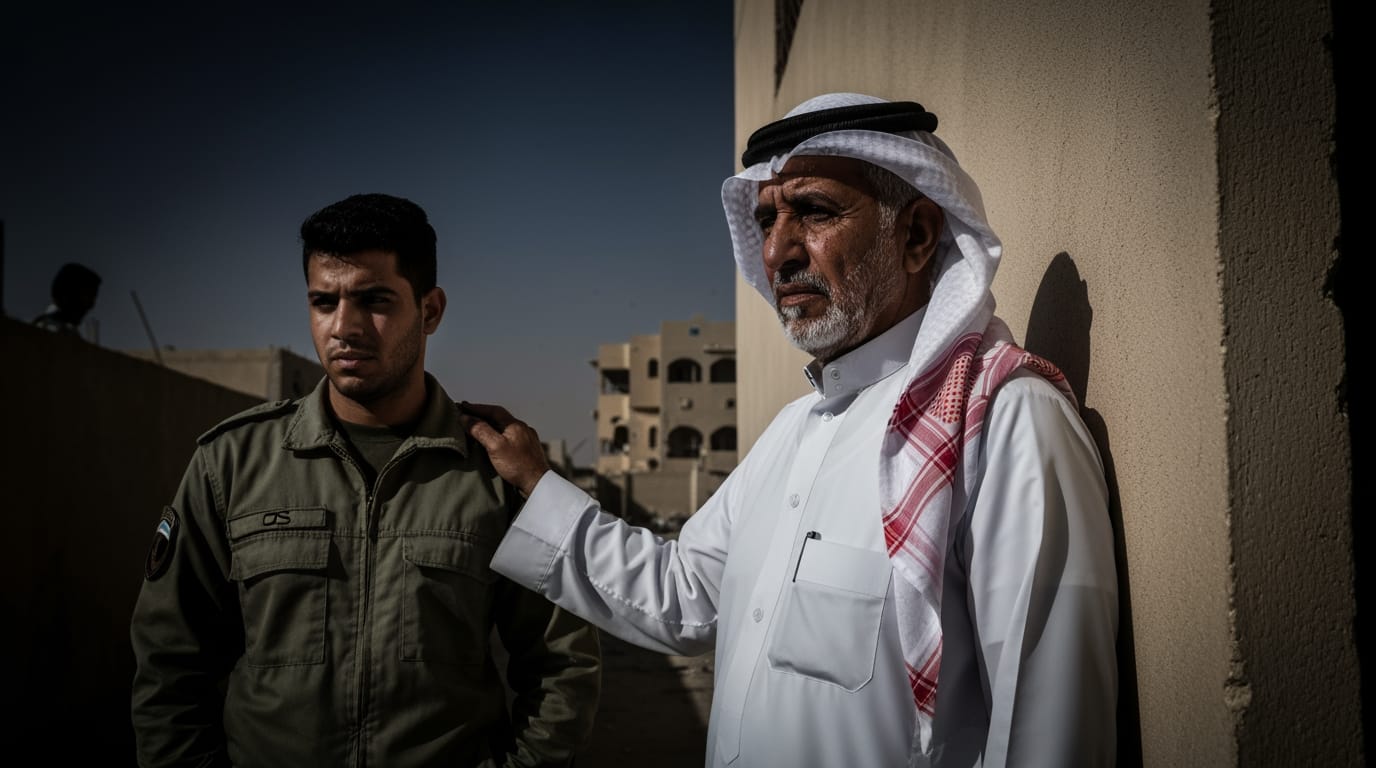
DUBAI – The escalating conflict between Iran and the United States and Israel has plunged the Gulf region into an unprecedented security crisis, forcing neighboring states to confront direct attacks on their soil and navigate a precarious path between warring powers. Despite their strenuous diplomatic efforts to avert a wider confrontation, countries across the Gulf Cooperation Council (GCC) find themselves unwillingly drawn into a conflict that threatens their stability, economies, and long-term development ambitions. Iranian retaliatory strikes, launched in response to US-Israeli military actions against Iran, have targeted critical infrastructure, civilian areas, and vital economic hubs, fundamentally reshaping the region's security landscape.
The conflict, which intensified following US-Israeli strikes on Iran starting February 28, 2026, has seen a barrage of Iranian missiles and drones hit various GCC member states. The United Arab Emirates has borne the brunt of these assaults, reporting over 1,400 attacks that have tragically resulted in six civilian deaths and 122 injuries. Targets have included commercial buildings, airports in Dubai and Kuwait, luxury hotels, residential neighborhoods in Manama, Bahrain, and crucial oil and gas installations across Saudi Arabia, Qatar, and Kuwait. These strikes, described by GCC leaders as serious violations of sovereignty, have caused significant material damage and instilled widespread fear, challenging the perception of the Gulf as a stable business and tourism destination.
Direct Strikes and the Erosion of Neutrality
The widespread nature of Iran's attacks has profoundly shaken Gulf states that had diligently worked to maintain neutrality and facilitate de-escalation. For years, countries like Oman and Qatar had actively engaged in mediation efforts between the United States and Iran, seeking to prevent regional hostilities. Oman, for instance, hosted indirect negotiations in February 2026 that were reportedly close to a breakthrough on Iran's nuclear program. Despite these overtures and Gulf states explicitly stating their territory would not be used for operations against Iran, Tehran has justified its actions by claiming it targeted US military assets located within these countries. However, the indiscriminate nature of the strikes, hitting civilian infrastructure far beyond military installations, has eroded this justification and sparked outrage. The UAE's diplomatic adviser, Anwar Gargash, characterized Iran's approach as irrational, suggesting it was isolating itself from regional partners.
This situation has placed Gulf states in an untenable position, caught between a desire to protect their national interests and the looming threat of direct military entanglement. The Ministerial Council of the GCC convened an extraordinary meeting on March 1, 2026, condemning the Iranian strikes and reaffirming their right to self-defense under Article 51 of the United Nations Charter. While they have largely limited their response to defensive measures, intercepting missiles and drones, the pressure to consider more direct action is mounting.
Economic Tremors and Global Instability
The economic fallout from the conflict has been immediate and severe, reverberating far beyond the Middle East. Global oil and gas prices surged in the initial days of the war, with Brent crude reaching $80-$82 per barrel and analysts projecting potential increases to $100-$150 if disruptions persist. A primary concern is the potential for a sustained closure or severe disruption of the Strait of Hormuz, a critical maritime chokepoint through which approximately 20% of the world's oil supplies and a significant portion of liquefied natural gas (LNG) pass. Such a scenario would have catastrophic global economic consequences, potentially triggering widespread inflation and recession.
Gulf states, heavily reliant on energy exports and ambitious economic diversification programs like Saudi Arabia's Vision 2030, are facing substantial financial losses. Estimates suggest a collective loss of $15.1 billion in energy revenues since the war began. Beyond hydrocarbons, the conflict has severely impacted the aviation and tourism sectors. Airspace closures, grounded flights, and direct hits on major airports and tourist sites have damaged the region's reputation as a safe and stable hub for business and leisure. Supply chain disruptions, increased shipping costs, and risks to critical infrastructure such as desalination plants are further compounding the economic strain.
Diplomatic Maneuvers and a Shifting Regional Order
Amid the escalating crisis, Gulf states are engaged in a complex diplomatic balancing act. While condemning Iran's "reckless aggression" and affirming their right to defend themselves, they are also wary of being fully drawn into a war primarily involving the United States and Israel. There is growing resentment among Gulf capitals, who feel they are paying the price for a conflict they neither initiated nor endorsed. Some regional analysts suggest that the presence of US military bases, once perceived as a security guarantee, has paradoxically made Gulf states targets for Iranian retaliation.
This dilemma has prompted Gulf leaders to reassess their long-term security strategies and their reliance on external powers. Despite close ties with Washington, there is frustration over the US's perceived inability to fully address their security concerns, including delays in replenishing air defense interceptors. Meanwhile, diplomatic efforts continue, with China actively engaging in "shuttle diplomacy" across the region, calling for de-escalation and a political settlement. However, the current "huge trust gap" between Iran and its neighbors, exacerbated by the attacks, poses a significant challenge to any immediate resolution or regional security arrangements.
A Region at a Crossroads
The war in Iran has thrust Gulf states into a precarious and uncertain future. Their concerted efforts to foster regional stability and economic growth have been severely undermined by the direct impact of the conflict. As Iranian aggression continues and global powers remain deeply entangled, the Gulf nations face the daunting task of safeguarding their sovereignty, protecting their populations and economies, and re-evaluating their alliances in a rapidly evolving geopolitical landscape. The path forward remains fraught with challenges, demanding a delicate balance of deterrence, diplomacy, and an urgent reassessment of regional security architecture to prevent further devastation and secure a stable future.


