Gulf States Navigate Perilous Waters, Prioritizing Diplomacy Amid Escalating Iran Tensions
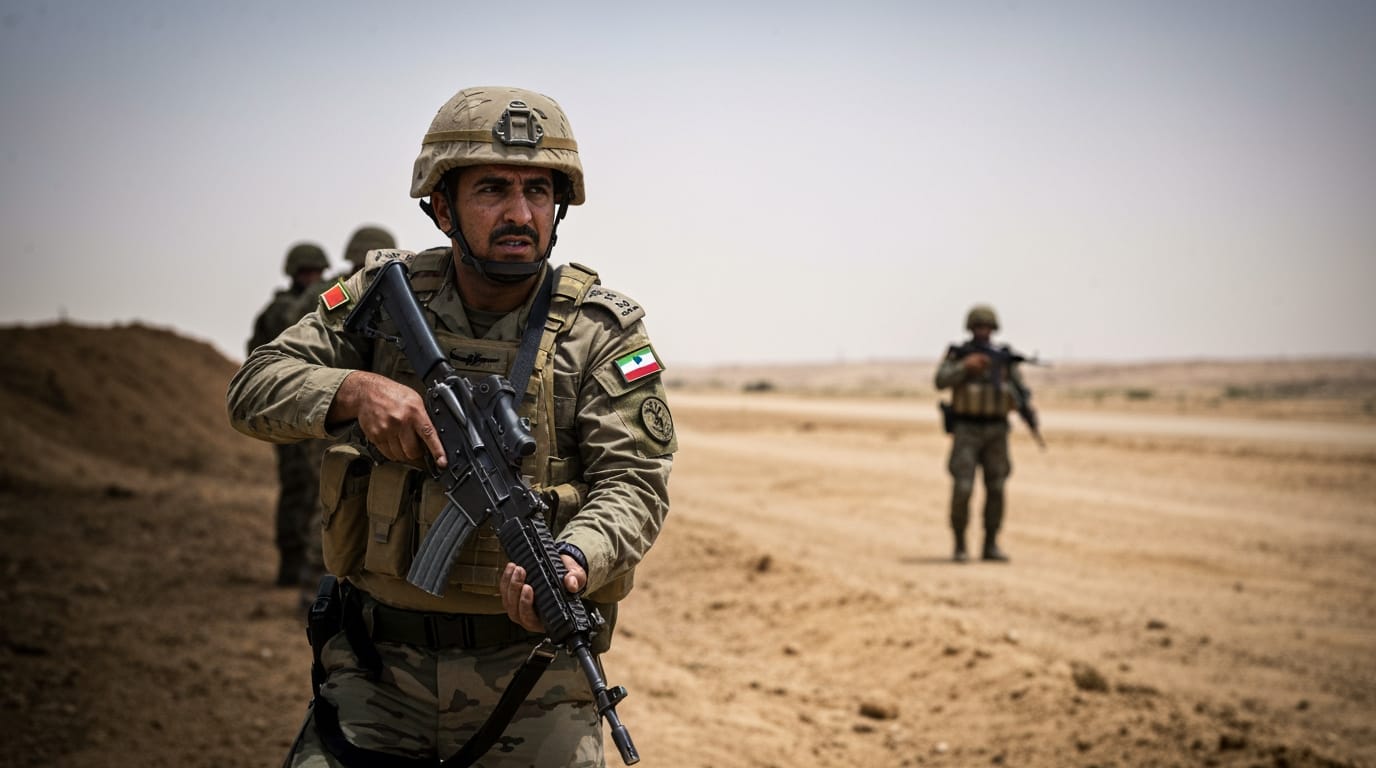
The Gulf states are engaged in a delicate balancing act, steadfastly refusing to be drawn into direct military confrontation with Iran, despite intensifying regional tensions and recent attacks that have struck close to home. As the specter of a wider Middle Eastern conflict looms, these nations are prioritizing diplomacy, de-escalation, and the protection of their economic and security interests over military intervention, a stance that underscores a significant shift in regional dynamics.
A Firm Stance Against Military Escalation
In the face of a volatile geopolitical landscape, Gulf Cooperation Council (GCC) members, including Saudi Arabia, the United Arab Emirates, Qatar, Kuwait, and Oman, have unequivocally communicated to Washington their refusal to permit their territory or airspace for any military operations against Iran. This includes denying access for refueling or logistical support related to potential strikes. This position has been consistent, even amidst recent regional flare-ups. Late last year and into early 2026, as tensions between the United States and Iran escalated, Gulf states actively engaged in diplomatic efforts and maintained direct and indirect communication with both Washington and Tehran to contain the situation. Their aim is to safeguard their long-standing security partnerships with the United States while meticulously avoiding direct involvement in an open confrontation with their powerful neighbor, Iran.
The Cost of Conflict: Vulnerability and Economic Imperatives
The Gulf states are acutely aware of the devastating repercussions a full-scale conflict could unleash upon their nations. The 2019 Houthi missile and drone attacks on Saudi Arabian and Emirati energy infrastructure served as a stark reminder of their vulnerabilities to regional aggression. More recently, an Iranian strike on Al Udeid Air Base in Qatar as part of a "12-Day War" in June 2025 further highlighted the direct risks they face, leading several Gulf states to temporarily close their airspace to civilian aviation. Following coordinated strikes on Iran by the United States and Israel in early March 2026, Iranian forces retaliated by firing missiles and drones at U.S. bases in the Gulf, Iraq, and Jordan, as well as at some civilian targets across the Gulf.
Such incidents underscore the region's exposure to military developments involving Iran, prompting Gulf countries to actively distance themselves from any potential U.S. military strikes. The ambitious national development plans pursued by these states, often hinged on stability and foreign investment, cannot thrive in a region plagued by constant military conflict. The ripple effects of a broader war, including disruptions to global energy markets and destabilization of the world economy, present an unacceptable risk to their long-term economic goals.
Diplomacy as the Preferred Path
A notable shift in strategy among GCC states has been observed since 2021, and particularly following the March 2023 reconciliation agreement between Iran and Saudi Arabia. This period has seen a growing prioritization of diplomacy, engagement, and regional dialogue over confrontation and military escalation. Oman and Qatar, in particular, have emerged as key mediators, actively facilitating communication channels between Tehran and Washington.
This diplomatic push reflects a collective understanding that their interests could be sidelined in a broader regional conflict, especially one fueled by external powers. The inability of international efforts to de-escalate other regional conflicts has further reinforced the Gulf states' commitment to their own strategies of de-escalation and regional diplomacy. They are actively seeking to manage escalating tensions and have reassured Tehran of their neutrality in wider conflicts, while also addressing Iranian concerns about potential U.S.-Israel-GCC air defense partnerships and the use of Arab airspace for missile overflights.
A Complex Tapestry of Alliances and Self-Preservation
The Gulf states find themselves navigating a complex web of alliances. While they maintain robust security partnerships with the United States, they are simultaneously seeking to avoid entanglement in a direct conflict with Iran. This balancing act is driven by a deep-seated fear of regional destabilization and a pragmatic assessment of their own security. Leaders across the Gulf recognize that a major confrontation could plunge the region into a perilous, destabilizing arms race and lead to chaos far exceeding previous conflicts in Iraq, Syria, or Yemen.
Despite persistent provocations and the proximity of conflict, the prevailing sentiment among Gulf states is a desperate attempt to prevent war rather than participate in it. Their actions and statements consistently emphasize a desire for restraint, de-escalation, and the prevention of a broader regional conflict, reflecting a mature understanding of the severe consequences that direct military involvement would entail for their own security and prosperity.
Conclusion: A Region on Edge, Opting for Prudence
The Gulf states' calculated refusal to commit their own armies to the Iran conflict, coupled with their fervent embrace of diplomatic solutions, underscores a strategic pivot towards self-preservation and regional stability. While they remain key players in the geopolitical landscape of the Middle East, their current posture signals a clear intention to mitigate risk and safeguard their futures through dialogue rather than military engagement. As regional tensions continue to simmer, the world watches closely to see if their pragmatic approach can avert a wider conflagration in one of the globe's most critical regions.


