Heathrow Faces Scrutiny After Fire-Induced Shutdown
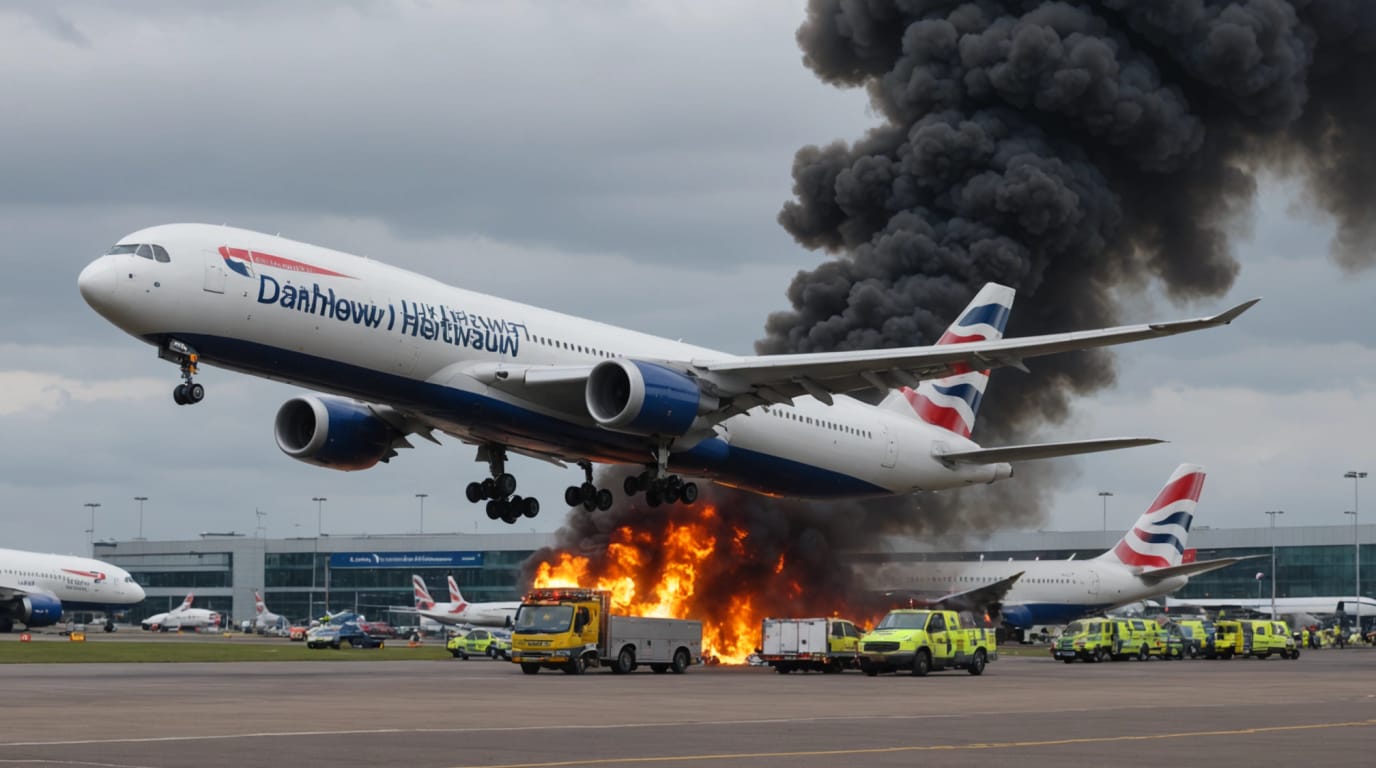
London – Heathrow Airport, one of the world's busiest international hubs, is under intense scrutiny following a complete shutdown on Friday caused by a fire at a nearby electrical substation. The incident, which grounded over 1,300 flights and disrupted the travel plans of an estimated 300,000 passengers, has triggered multiple investigations and raised serious questions about the resilience of critical national infrastructure.
Government Launches Urgent Probe
Energy Secretary Ed Miliband has ordered an urgent investigation into the power outage, tasking the National Energy System Operator (NESO) with determining the circumstances surrounding the fire and assessing the broader implications for the UK's energy resilience. Miliband, working in conjunction with Ofgem, emphasized the government's determination to prevent a recurrence of the incident. NESO is expected to deliver its initial findings to Ofgem and the Department for Energy Security and Net Zero within six weeks.
"The loss of power to the Heathrow area has caused major disruption to thousands of people and many businesses," Miliband stated. "We are determined to properly understand what happened and what lessons need to be learned."
Airport Initiates Internal Review
Adding to the external scrutiny, Heathrow Airport has launched its own internal investigation into its crisis management plans and response to the power outage. Former Transport Secretary Ruth Kelly, who serves as an independent member of Heathrow's board, will lead the review. The internal probe will focus on evaluating the airport's preparedness for such events and identifying areas for improvement in its operational procedures.
Heathrow's chairman, Lord Paul Deighton, acknowledged the significant impact of the shutdown. "Closing the airport yesterday had significant impacts for our passengers, our customers, our colleagues, and the country," he said. "Heathrow regrets the disruption this caused. We hope that all those affected understand that the decision was made in order to prioritize the safety of our passengers and colleagues."
Focus Shifts to Electrical Infrastructure
While counter-terrorism officers were initially involved, the Metropolitan Police have confirmed that the fire is not believed to be suspicious. The London Fire Brigade (LFB) is now leading the investigation, focusing on the electrical distribution equipment at the substation in Hayes, West London. The LFB's investigation is expected to take several weeks to determine the exact cause of the fire.
According to London Fire Brigade Deputy Commissioner Jonathan Smith, the fire involved a transformer containing 25,000 liters of cooling oil. The LFB received 212 calls related to the incident.
Questions of Redundancy and Resilience
The incident has ignited a debate about the redundancy and resilience of Heathrow's power supply. While Heathrow CEO Thomas Woldbye confirmed that the airport is powered by three substations, questions remain about why it took nearly 15 hours to restore power after the fire. Experts are examining whether the airport was overly reliant on the affected substation and whether sufficient backup systems were in place.
Concerns have also been raised about the potential for single points of failure in critical infrastructure. Labour peer Toby Harris, who leads the National Preparedness Commission campaign group, described the Heathrow shutdown as "a huge embarrassment." The boss of supply chain firm PS Forwarding went further, warning that the incident had made Heathrow a "laughing stock" in the global freight community.
Some industry observers have suggested that Heathrow should consider investing in on-site standby generation, similar to systems used by data centers. This would provide an independent power source in the event of a grid failure.
Recovery and Future Operations
Flights have resumed at Heathrow, and the airport is working to return to normal operations. British Airways, the airport's largest carrier, said it expects to operate a near-full schedule on Sunday. However, the airline cautioned that it would take several days to fully recover from the disruption.
The investigations into the fire and its aftermath are expected to yield recommendations for improving the resilience of Heathrow and other critical infrastructure sites. The focus will be on ensuring that such incidents do not cause similar widespread disruption in the future. Heathrow's CEO, Thomas Woldbye, has pledged to "support every effort to understand the causes and impacts" of the fire and to work closely with stakeholders to strengthen the airport's future resilience.
The incident serves as a stark reminder of the vulnerability of complex systems and the importance of robust contingency planning. As the investigations proceed, the spotlight will remain on Heathrow and the UK's broader energy infrastructure, with the aim of preventing future disruptions and maintaining the country's reputation as a reliable global aviation hub.


