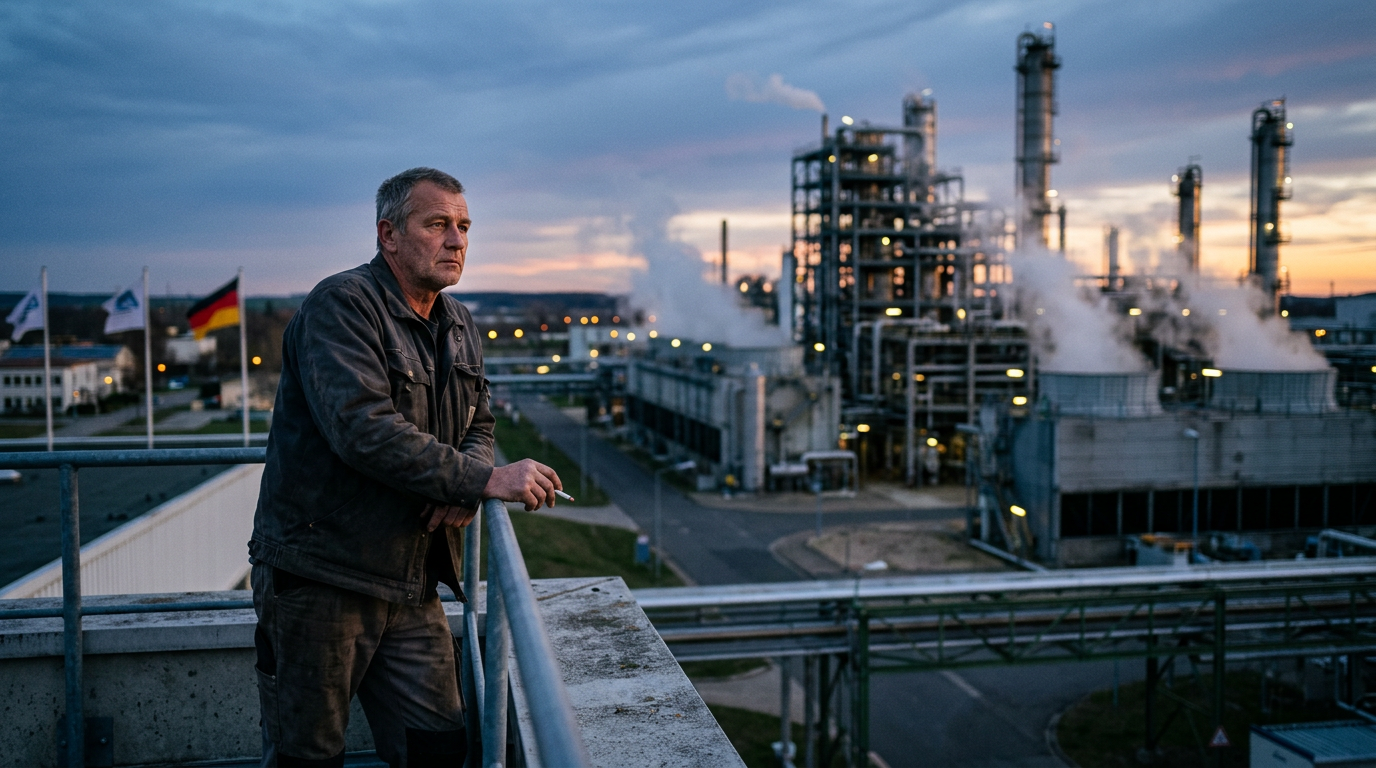
Hiroshima Survivors Issue Urgent Warning Against Global Military Buildups on 80th Anniversary

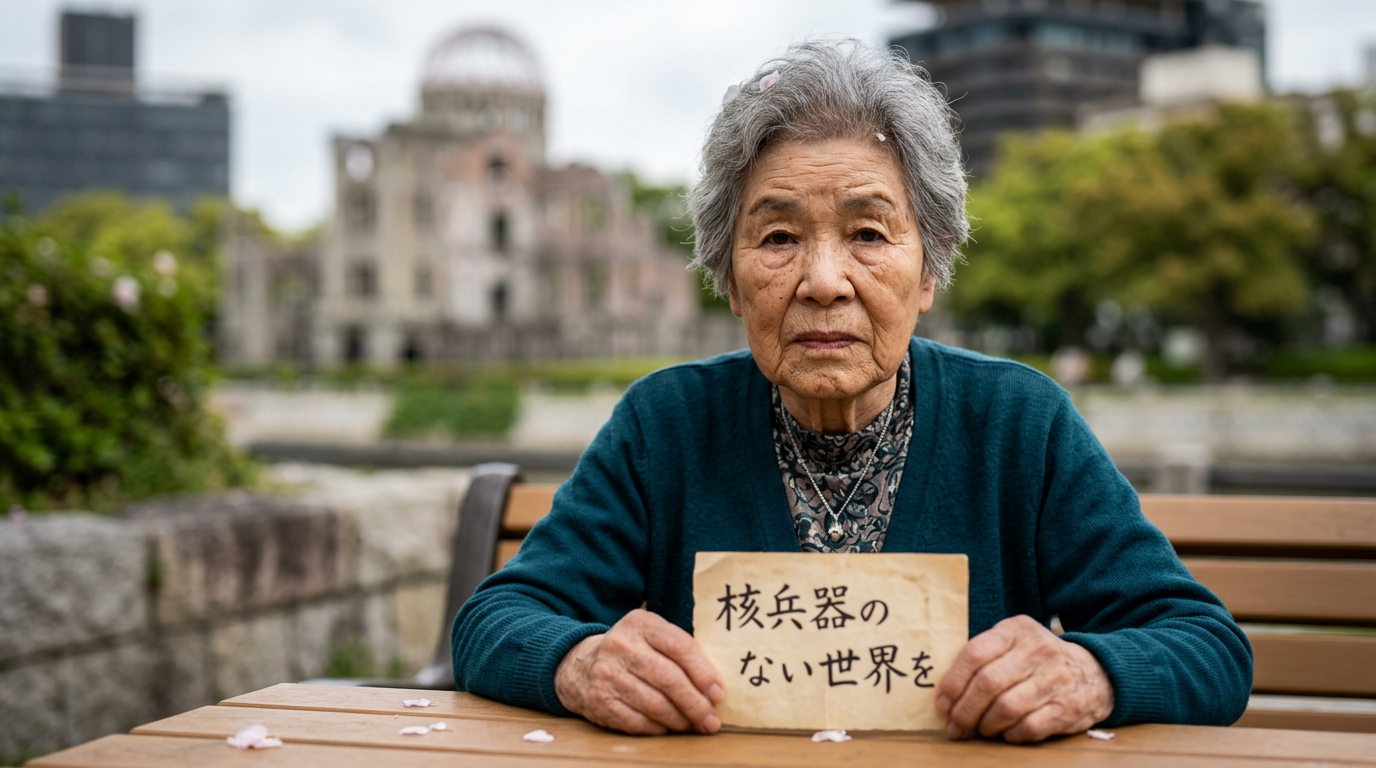
HIROSHIMA, Japan – As the city of Hiroshima marked the solemn 80th anniversary of the atomic bombing on August 6, 2025, the dwindling number of atomic bomb survivors, known as Hibakusha, issued a poignant and urgent warning against a global drift towards increased military buildups and the acceptance of nuclear weapons as a deterrent. Their message, rooted in unimaginable suffering and decades of advocacy, stands as a stark reminder of humanity's destructive potential at a time when geopolitical tensions are perceived to be at their highest since the Cold War. These elderly voices, many of whom are in their late 80s, expressed deep frustration over what they view as a dangerous disregard for historical lessons, urging leaders and younger generations to recommit to nuclear disarmament and genuine peace.
The Enduring Voices of Hiroshima
The atomic bombing of Hiroshima on August 6, 1945, devastated the city, claiming an estimated 140,000 lives by the end of that year, with another 70,000 dying three days later in Nagasaki. Eighty years later, the survivors, whose average age now exceeds 86, recognize that time is running out to share their firsthand accounts. Minoru Suzuto, a 94-year-old survivor, kneeling in prayer at the cenotaph, underscored this urgency, stating, "There will be nobody left to pass on this sad and painful experience in 10 years or 20 years. That's why I want to share (my story) as much as I can." Their advocacy is not merely historical remembrance but a vital plea for future generations to avoid similar catastrophes.
Many Hibakusha, despite facing health issues and having long suppressed their traumas due to social stigma, have dedicated their later years to anti-nuclear activism. Kunihiko Iida, 83, volunteers at Hiroshima's Peace Memorial Park, sharing his harrowing experience of being a three-year-old just 900 meters from the hypocenter when the bomb struck. He vividly recalls being thrown by the blast, bleeding from glass shards, and losing his mother and sister to radiation sickness within a month. Iida, like many others, speaks out to raise awareness, particularly among foreigners, believing that understanding of the bombings remains insufficient. Their collective experiences form a moral foundation for their impassioned appeals for peace.
A World Under Threat: The Context of Their Concern
The survivors' warnings come amidst a global landscape marked by escalating conflicts and a renewed emphasis on military strength. Hiroshima Mayor Kazumi Matsui pointed to a growing acceptance of military buildups and the use of nuclear weapons for national security, citing ongoing conflicts in Ukraine and the Middle East. He cautioned that such developments "flagrantly disregard the lessons the international community should have learned from the tragedies of history," and threaten "peacebuilding frameworks so many have worked so hard to construct."
The Japanese grassroots organization of survivors, Nihon Hidankyo, which recently won the Nobel Peace Prize for its tireless pursuit of nuclear abolishment, voiced similar concerns. The Nobel Committee chairman, Joergen Watne Frydnes, highlighted that the "nuclear taboo" established by the Hibakusha is now under threat, with nuclear powers modernizing arsenals, new nations seeking nuclear weapons, and disarmament treaties collapsing. The organization noted that the risk of nuclear weapons use is currently the highest it has been since the end of the Cold War. Survivors expressed deep disappointment over global leaders' acceptance of nuclear weapons as deterrence, arguing that "nuclear weapons cannot coexist with human beings."
Japan's Shifting Stance and the Pacifist Ideal
The Hibakusha's warnings are particularly pertinent in Japan, a nation whose post-World War II constitution, particularly Article 9, famously renounces war and the maintenance of military forces. This pacifist identity has long been a cornerstone of Japanese foreign policy and national self-perception. However, under pressure from geopolitical realities, including rising regional tensions and the influence of its ally, the United States, Japan's defense posture has been incrementally evolving.
Survivors have expressed considerable frustration with the Japanese government's reluctance to sign the Nuclear Weapons Prohibition Treaty. Despite repeated appeals from groups like Nihon Hidankyo, Japan has consistently declined to sign, aligning instead with the United States' position, under whose "nuclear umbrella" it operates and hosts 50,000 U.S. troops. Former Prime Minister Shinzo Abe, when confronted by survivors on this issue, acknowledged the desire for a nuclear-free world but stated his intent to pursue a "different approach." This stance, coupled with increased defense spending and a more robust interpretation of self-defense capabilities, is seen by many survivors as a concerning departure from Japan's pacifist principles. Keiko Ogura, a survivor who was eight when the bomb fell, articulated the sentiment of many, stating, "Many survivors are offended by the prime minister because he does not sign the nuclear weapons prohibition treaty."
The Profound Warning: Fear of a Repeated History
At the heart of the Hibakusha's message is a profound fear that the world is forgetting the devastating lessons of Hiroshima and Nagasaki. They see the increasing acceptance of military solutions and the continued existence of nuclear arsenals not merely as a policy choice, but as a direct threat to the future of humanity. Kosei Mito, 79, a survivor exposed to radiation in his mother's womb, called the justification of nuclear attacks "ridiculous" and emphasized that true security cannot be achieved through such means.
Protesters gathered near the Atomic Bomb Dome on the anniversary, holding signs like "No Nuke, Stop War," underscoring the broader public concern that resonates with the survivors' message. The survivors warn that "misguided policies" could lead to "utterly inhumane" consequences, echoing Hideko Tamura Snider's stark message from the 75th anniversary that a new nuclear arms race could be "the beginning of our end." They contend that the path to true security lies not in bigger arsenals or military posturing, but in diplomacy, disarmament, and a global commitment to peace.
The 80th anniversary serves as a critical juncture, highlighting the tension between the memory of a horrific past and the complexities of contemporary international relations. The insistent voices of the Hibakusha call for the world to heed their testimony, urging a return to the principles of peace and nuclear abolishment that emerged from the ashes of Hiroshima, lest humanity repeat a history too terrible to fathom.
Related Articles

Mounting Frustration Grips Russia as Economic Hardship and War's Toll Deepen
Moscow, Russia – A palpable shift in public sentiment is emerging across Russia, with growing frustration among citizens fueled by a confluence of economic pressures, increasing internet restrictions, and the undeniable...

Germany's Strategic Calculus: Ukraine Aid is an Investment in European Security, Not Charity
Berlin – The ongoing provision of substantial aid to Ukraine by Germany and its allies is increasingly being framed not as an act of altruism, but as a crucial investment in European security and stability. This...