Historic EU-Mercosur Trade Deal Set for Signature Amidst High Hopes and Lingering Opposition
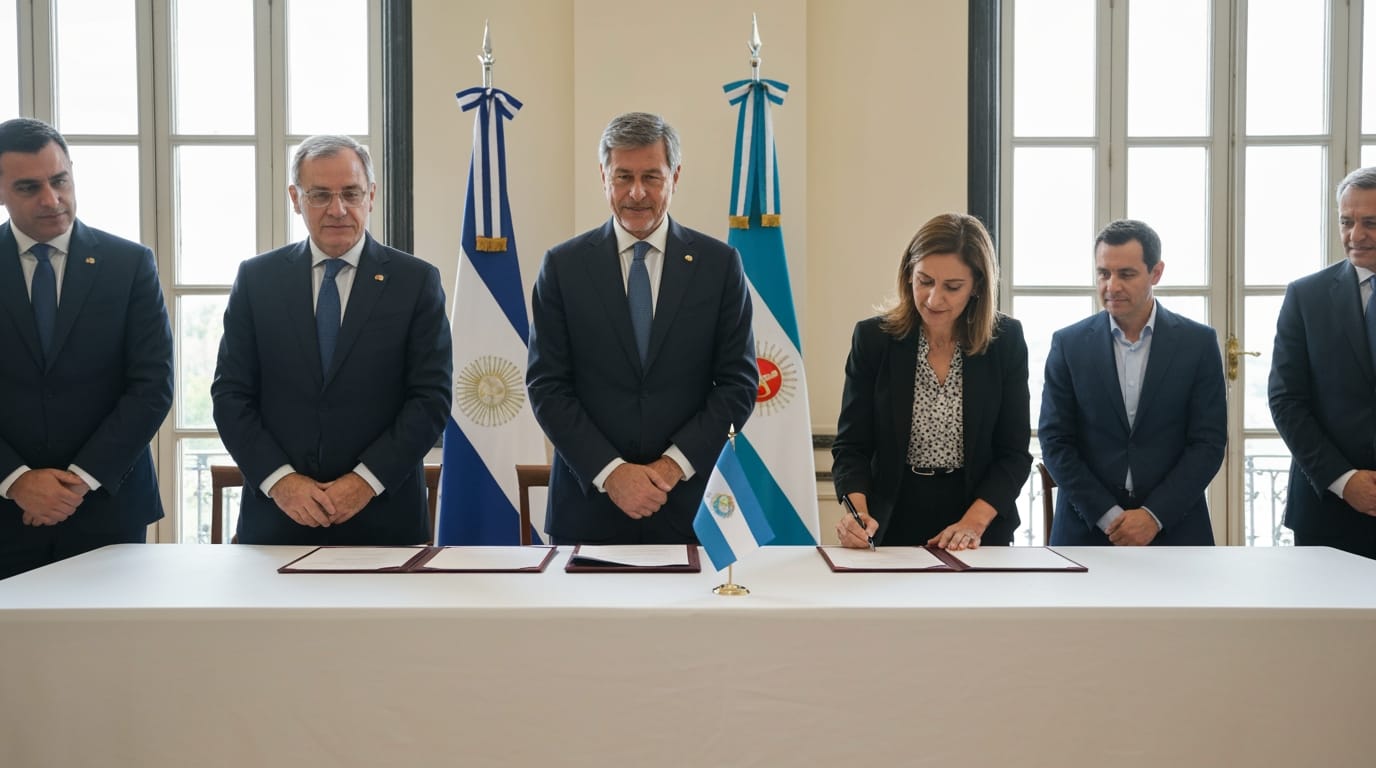
After more than a quarter-century of complex negotiations, the European Union (EU) and the South American trade bloc Mercosur are poised to sign a landmark free trade agreement this Saturday in Asunción, Paraguay. This monumental pact, establishing one of the world's largest tariff-free trade zones, aims to encompass over 700 million people and approximately 20% of global Gross Domestic Product (GDP). While proponents hail the agreement as a vital step towards fostering open markets, diversifying trade routes, and enhancing geopolitical stability, it arrives shadowed by significant concerns from agricultural and environmental sectors on both continents.
A Decades-Long Journey to Consensus
The path to this historic agreement began in 1999, spanning more than 25 years of intermittent discussions and frequent stalemates. Initial agreement in principle was reached in 2019, but the deal faced considerable headwinds, particularly due to environmental concerns regarding deforestation in the Amazon and the potential impact on European agriculture. The political impetus to finalize the agreement intensified amid shifting global trade dynamics and rising protectionist sentiments, notably influenced by the trade policies of the previous U.S. administration. This urgency spurred renewed negotiations between March 2023 and December 2024, culminating in an improved EU-Mercosur Partnership Agreement. The EU Council ultimately authorized the signature on January 9, 2026, paving the way for Saturday's ceremony where European Commission President Ursula von der Leyen and European Council President António Costa are expected to attend.
Economic Opportunities and Key Provisions
The core of the agreement revolves around significant tariff reductions. It will eliminate duties on approximately 91% to 92% of goods traded between the two blocs, with these reductions phased in over a 15-year period. European businesses are projected to save an estimated €4 billion (US$4.2-4.7 billion) annually from these tariff eliminations. For the EU, the deal is expected to boost exports of industrial goods such as cars, car parts (which previously faced tariffs as high as 35%), chemicals, machinery, textiles, wine (previously 27% tariffs), and cheese (previously 28% tariffs). Conversely, Mercosur nations, comprising Argentina, Brazil, Paraguay, and Uruguay, will gain enhanced access to the European market for their agricultural commodities, including beef, poultry, sugar, rice, honey, and soybeans.
Beyond immediate trade benefits, the agreement holds substantial geopolitical weight. It is seen by the EU as a strategic move to diversify its trading partners, reduce reliance on single markets like the United States and China, and reinforce its commitment to a rules-based multilateral trading system. Officials also highlight its role in securing access to critical raw materials and strengthening supply-chain resilience. While the direct economic impact is projected to be modest, with EU GDP increasing by 0.1% by 2032 and Mercosur's by 0.3% to 0.7% by 2040, many argue that the broader strategic and political advantages outweigh these figures. The European Commission estimates the agreement could support more than 440,000 jobs within Europe.
Persistent Opposition and Environmental Concerns
Despite the anticipated economic gains, the agreement has faced sustained opposition from various quarters. European farmers, particularly in countries like France, Italy, Ireland, Poland, and Austria, have voiced strong concerns that increased imports of cheaper agricultural products from Mercosur, often produced under different environmental and animal welfare standards, could undermine their livelihoods and competitive edge. To address these fears, the EU implemented additional safeguard measures and allocated a substantial €45 billion agricultural support package to assist European farmers.
Environmental organizations, including the Veblen Institute and Greenpeace, have raised alarms about the deal's potential ecological consequences. They warn of a possible 25% increase in Amazon deforestation and an additional 340 million tons of CO2 emissions over the next decade, arguing that the agreement could incentivize unsustainable agricultural practices. Critics also point to provisions that might allow Mercosur nations to challenge the EU Deforestation Regulation. However, proponents emphasize that the agreement includes a dedicated chapter on Trade and Sustainable Development, embedding commitments to effectively implement the Paris Climate Agreement as an "essential element." This includes pledges from both blocs to move towards climate neutrality by 2050, the EU's commitment to reduce domestic emissions by 55% by 2030, and Brazil's pledge to halt illegal deforestation in the Amazon.
On the Mercosur side, some analysts and labor groups express apprehension about potential job losses, particularly in industrial sectors. For instance, an estimated 200,000 jobs in Argentina's automotive industry could be at risk due to increased competition from European manufacturers.
The Road Ahead: Ratification Challenges
The signing of the agreement marks a significant milestone, but it is not the final step. The deal comprises two legal instruments: an interim Trade Agreement (iTA), covering only trade matters, and the more comprehensive EU-Mercosur Partnership Agreement (EMPA). The iTA can enter into force with the approval of the European Parliament and the Council. However, the broader EMPA, which includes political, cooperation, and environmental provisions, will require ratification by all 27 EU member states, a process that could extend for several years, reminiscent of the EU-Canada Comprehensive Economic and Trade Agreement (CETA). The internal divisions within the EU, evident in the Council vote where five member states opposed the deal, suggest that the ratification process in national parliaments and the European Parliament could be contentious.
In conclusion, the impending signature of the EU-Mercosur trade agreement represents the culmination of decades of diplomatic effort to forge closer economic ties between two major global blocs. While promising substantial benefits in trade diversification, strategic autonomy, and geopolitical signaling, the deal also highlights the complex balancing act between economic liberalization, environmental protection, and domestic industry concerns. Its ultimate success will hinge not only on its implementation but also on the ability of both sides to navigate the multifaceted challenges that lie ahead in its ratification and long-term impact.


