Homeland Security Plunges into Partial Shutdown Amidst Contentious Budget Dispute
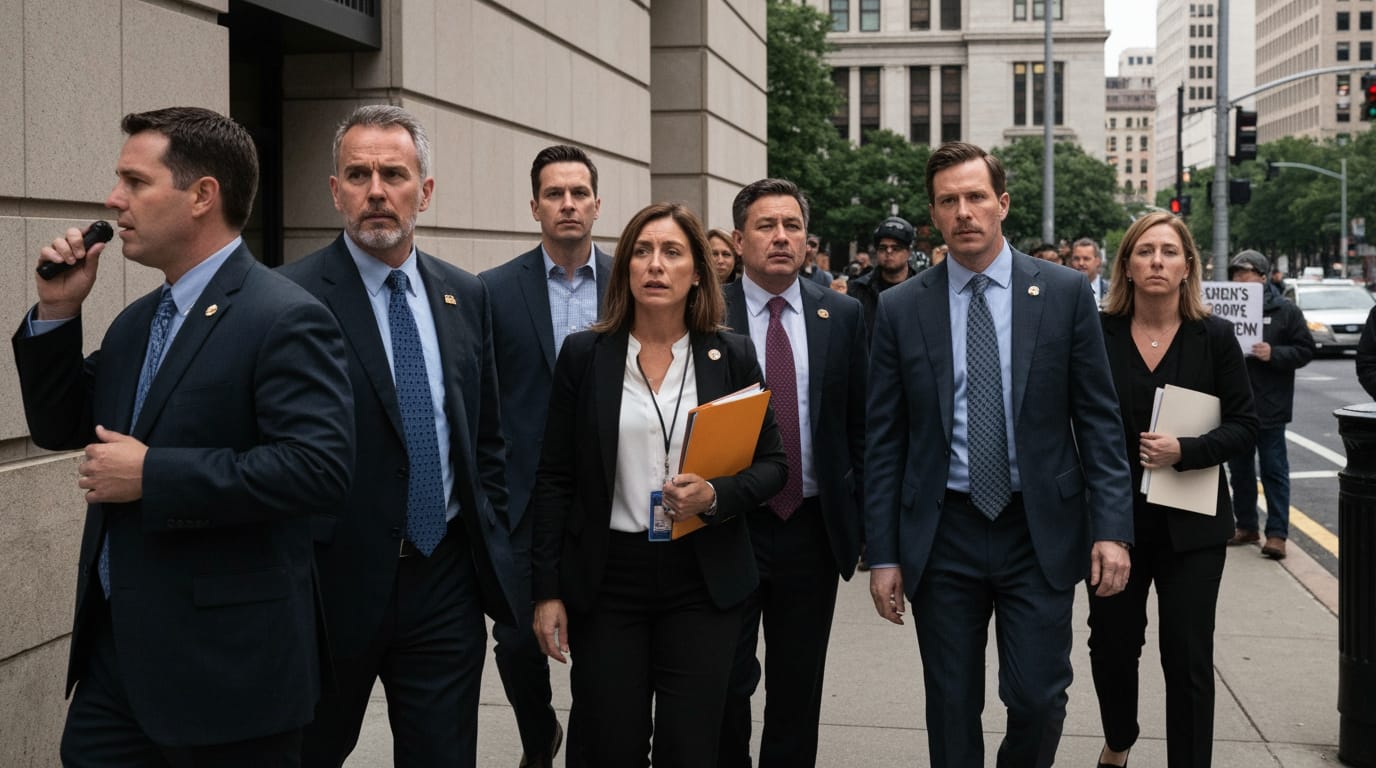
Washington D.C. – The United States Department of Homeland Security (DHS) entered a partial shutdown on Saturday, February 14, 2026, marking the third such closure of the current presidential term. The impasse stems from a bitter budget dispute between U.S. lawmakers, primarily centered on the funding and operational conduct of Immigration and Customs Enforcement (ICE). Thousands of federal employees across critical agencies are now facing furloughs or are required to work without pay as political negotiations remain deadlocked.
The latest shutdown comes after the Senate failed to advance a funding bill for the department on Thursday, February 12, falling short of the 60 votes required to move the legislation forward. Democrats are leveraging the funding vote to demand significant reforms to ICE operations, particularly in the wake of highly publicized incidents in Minneapolis where ICE agents were involved in the deaths of two U.S. citizens. Republicans, in turn, accuse the opposition of political maneuvering and risking national security by holding DHS funding hostage.
The Deepening Divide: ICE Operations at the Heart of the Conflict
At the core of the congressional budget battle lies a profound disagreement over the powers and practices of Immigration and Customs Enforcement. Democrats have unequivocally stated their refusal to approve new funding for DHS without substantial changes to how ICE conducts its operations. Specific demands include curtailing patrols, prohibiting ICE agents from wearing face masks during operations, and requiring judicial warrants for agents to enter private property. These calls for reform intensified following incidents in Minneapolis, where ICE agents were implicated in the deaths of Renee Good, a 37-year-old mother of three, and Alex Pretti, a veterans’ nurse, amidst aggressive immigration raids and public protests.
House Minority Leader Hakeem Jeffries has indicated that Republicans demonstrate little interest in reining in ICE, asserting that dramatic changes are necessary, and their absence has led to the current partial shutdown. Conversely, White House Press Secretary Karoline Leavitt has placed the blame squarely on Democrats, characterizing their actions as partisan and politically motivated, pushing the government towards another shutdown. Senate Majority Leader John Thune has echoed Republican sentiments, stating that policy changes should not be tied to funding bills and that DHS and ICE should be funded without preconditions.
Adding a layer of complexity to the narrative, Senator John Fetterman, a Democrat, has voted with Republicans to fund DHS and has publicly stated that the current shutdown "literally has zero impact on ICE" due to separate funding provisions.
Operational Resilience and Significant Disruptions
Despite the broader DHS shutdown, crucial components of the department's immigration enforcement arm, specifically ICE and Customs and Border Protection (CBP), are largely unaffected by the current lapse in appropriations. These agencies received significant funding through a separate legislative act last year, often referred to as the "One Big Beautiful Bill Act" or via reconciliation, allowing their missions to continue largely without interruption. This means the primary focus of the budget dispute – ICE operations – remains funded while other critical DHS functions face disruption.
However, the impact on other vital DHS agencies is substantial. Thousands of employees from the Federal Emergency Management Agency (FEMA), the Transportation Security Administration (TSA), the U.S. Coast Guard, and the Secret Service are designated as "essential personnel" and are required to work without pay. Non-essential staff members across these agencies are subject to furloughs. This situation raises concerns about the well-being of federal workers and their families, particularly given that some have recently returned from previous shutdowns earlier in the year.
The implications for national security and public services are notable. Warnings have been issued by the TSA that a prolonged shutdown could result in longer wait times and potential flight cancellations at airports. FEMA’s disaster response capabilities are expected to slow, even with some remaining funds, potentially hindering critical aid efforts. Furthermore, administrative functions and certain support services across the department, including cyber defenses and counterterrorism efforts, face limitations or temporary suspension.
A Pattern of Disruptions and Political Stakes
This current shutdown marks the third such occurrence during President Donald Trump's second term. It follows a brief four-day partial shutdown earlier this month, from January 31 to February 3, and a record 43-day government closure last October and November. The recurring nature of these funding impasses highlights a deeply entrenched partisan divide, particularly on issues surrounding immigration and border security.
The political stakes are high for both parties. Democrats view the current budget standoff as an opportunity to implement much-needed oversight and accountability over immigration enforcement, especially in light of recent controversies. Republicans, conversely, are adamant about fully funding security agencies without what they deem as politically motivated conditions that could hamstring essential operations. With the House and Senate having already recessed for Presidents' Day without a resolution, the duration of this partial DHS shutdown remains uncertain, with neither side appearing ready to concede.
Conclusion: A Nation on Edge Awaiting Resolution
As the Department of Homeland Security grapples with a partial shutdown, the immediate consequences are felt by thousands of dedicated federal employees and pose potential disruptions to critical services ranging from airport security to disaster preparedness. The underlying budget dispute, fueled by intense disagreements over immigration policy and the conduct of ICE, underscores a persistent chasm in American governance. While key immigration enforcement agencies remain operational due to prior funding, the broader DHS framework, responsible for safeguarding the nation in myriad ways, faces operational strains. The trajectory of this shutdown, like those before it, will ultimately hinge on the ability of Congress and the White House to navigate their entrenched positions and forge a compromise that balances national security imperatives with demands for accountability and reform. The eyes of the nation remain fixed on Washington as lawmakers are pressed to find a path forward.