International Outcry as European Nations Accuse Russia of Navalny Poisoning with Exotic Toxin
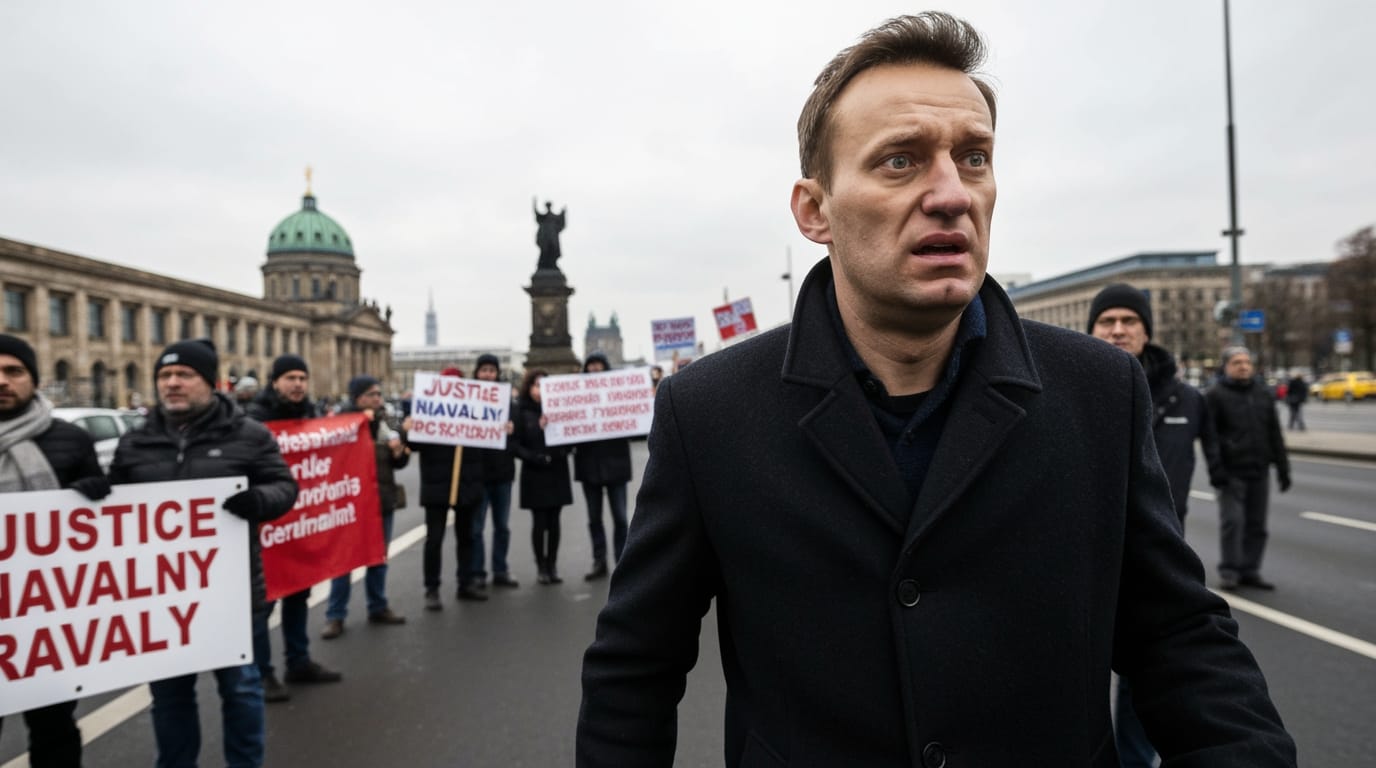
LONDON – In a significant escalation of international tensions, five European nations have formally accused the Russian state of poisoning opposition leader Alexei Navalny with a lethal, exotic toxin two years ago, leading to his death in an Arctic penal colony. The United Kingdom, France, Germany, Sweden, and the Netherlands jointly stated today that scientific analyses of samples from Navalny "have conclusively confirmed the presence of epibatidine," a potent toxin primarily found in South American poison dart frogs. This new accusation squarely places blame on Moscow, intensifying calls for accountability and marking a stark re-ignition of diplomatic hostilities over the circumstances of Navalny's demise.
The revelations come two years after Navalny, Russia's most prominent Kremlin critic, died on February 16, 2024, while serving a 19-year sentence in a remote correctional facility. Russian authorities had initially attributed his death to natural causes, specifically citing arrhythmia. However, the coordinated statement from the five European foreign ministries rejects this explanation, asserting that "only the Russian state had the combined means, motive and disregard for international law" to execute such an attack. The countries are now formally reporting Russia to the Organisation for the Prohibition of Chemical Weapons (OPCW) for a breach of the Chemical Weapons Convention, signaling a united front in demanding a thorough international investigation.
The Identification of a New, Exotic Agent
The core of the European nations' latest accusation lies in the identification of epibatidine. This potent alkaloid, known for its pain-killing and toxic properties, is not naturally occurring in Russia and is primarily associated with certain species of poison dart frogs native to South and Central America. Its confirmed presence in Navalny's samples suggests a sophisticated and deliberate act, further complicating Russia's narrative of natural death. The European countries highlighted the toxin's lethality and the reported symptoms in Navalny's final days as consistent with poisoning. This discovery shifts the focus from the previously known Novichok nerve agent, which was used in the 2020 attempt on Navalny's life, to a different, equally alarming chemical weapon.
A History of Targeting: The 2020 Novichok Attack
The latest allegations draw unsettling parallels with the August 2020 poisoning of Alexei Navalny. While traveling on a domestic flight in Russia, Navalny became critically ill and was subsequently airlifted to Berlin for urgent medical treatment. German military laboratory tests unequivocally confirmed that he had been poisoned with a Novichok nerve agent, a military-grade chemical weapon developed during the Soviet era. This finding was later corroborated by five OPCW-certified laboratories. Navalny himself accused Russian President Vladimir Putin of being responsible for that attack, a charge the Kremlin vehemently denied, calling the accusations "utterly unfounded" and "insulting." Despite the clear evidence, Russia maintained its innocence, often proposing alternative theories, including that Navalny might have been poisoned in Germany or that the West was attempting to frame Russia.
Navalny's Unyielding Activism and Imprisonment
Alexei Navalny rose to prominence as a fervent anti-corruption blogger and opposition leader, consistently exposing alleged graft within the Russian government and organizing large-scale anti-Kremlin protests. His activism made him President Vladimir Putin's most formidable foe. After recovering from the 2020 Novichok poisoning, Navalny made the defiant decision to return to Russia in January 2021, where he was immediately arrested. He was subsequently sentenced to a lengthy prison term on charges widely regarded by international observers and his supporters as politically motivated. His time in prison was marked by deteriorating health and allegations of inadequate medical care, with his allies suggesting he was subjected to "slow-acting poison" through his food. His death in February 2024, at the "Polar Wolf" penal colony, sparked immediate international condemnation and renewed scrutiny of Russia's treatment of political dissidents.
Russia's Denials and Geopolitical Implications
In response to the current accusations, Russia has maintained its steadfast denial of any involvement in Navalny's death. The official stance continues to be that he died of natural causes, specifically an irregular heartbeat. Russian officials have dismissed the European nations' claims, often characterizing them as politically motivated attempts to tarnish Russia's image and as part of a broader Western anti-Russia campaign. Pro-Kremlin media outlets have echoed these sentiments, suggesting that the West stands to benefit from Navalny's death by using it as a pretext for further sanctions and destabilization efforts against Russia.
The latest allegations underscore the deep chasm in trust and diplomacy between Russia and several Western powers. The reporting of Russia to the OPCW signifies a direct challenge to Russia's adherence to international chemical weapons treaties. This development is expected to trigger further diplomatic repercussions, potentially leading to additional sanctions and increased isolation for Russia on the international stage. The definitive identification of epibatidine, distinct from the Novichok agent, adds a new and critical dimension to the ongoing international effort to ascertain the full truth behind Alexei Navalny's death.


