Hong Kong Media Tycoon Jimmy Lai Sentenced to 20 Years in Landmark National Security Case
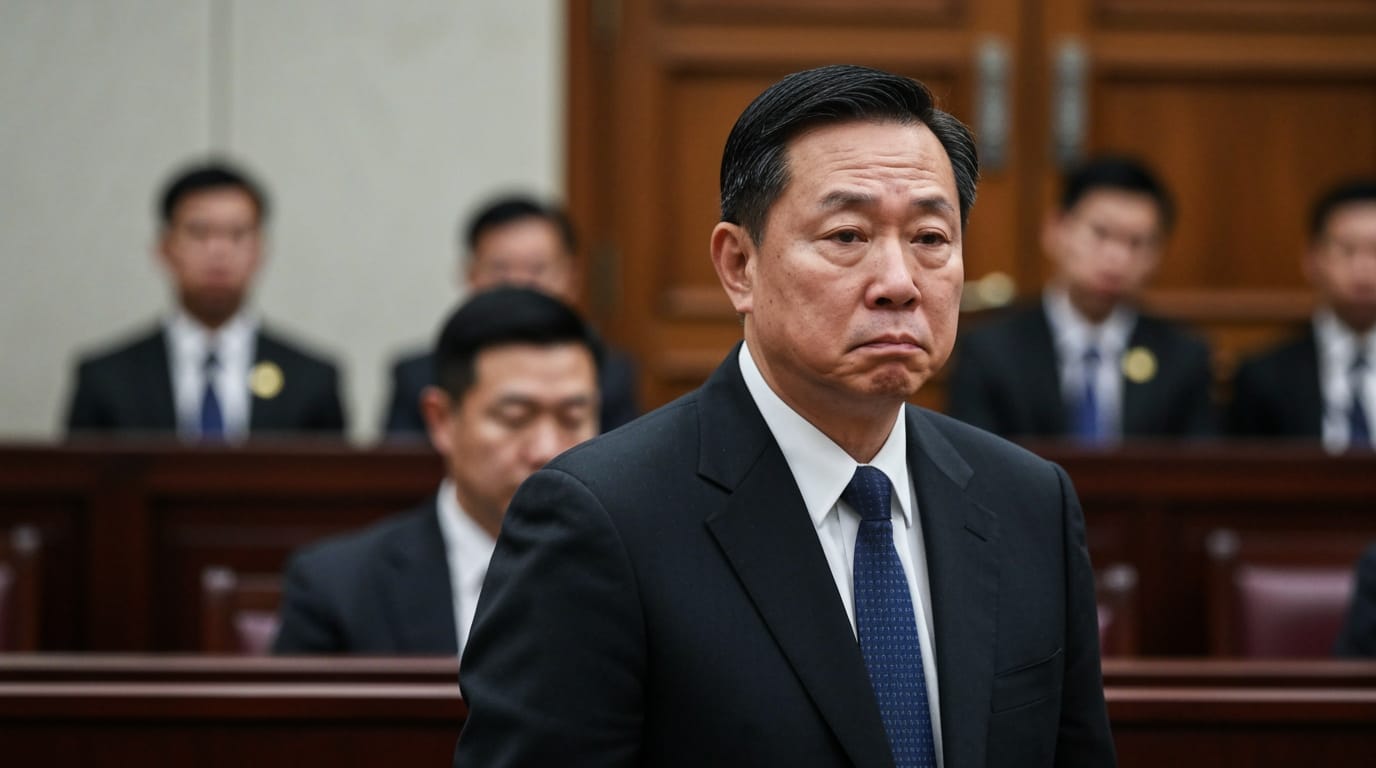
Hong Kong, February 9, 2026 – Veteran Hong Kong media mogul Jimmy Lai, a prominent pro-democracy advocate and outspoken critic of Beijing, was sentenced today to 20 years in prison following his conviction on national security charges. The harsh sentence, delivered after a lengthy and closely watched trial, marks a significant moment for press freedom and the rule of law in the semi-autonomous city, drawing immediate condemnation from international governments and human rights organizations.
The 78-year-old founder of the now-defunct Apple Daily newspaper was found guilty in December 2025 on two counts of conspiracy to collude with foreign forces and one count of conspiring to publish seditious materials. Hong Kong's High Court deemed Lai the "mastermind" behind these conspiracies, stating his offenses were of a "grave nature" and "premeditated." The sentence ensures that Lai, who has been in custody since December 2020 and has already served more than five years behind bars for previous convictions, will spend the remainder of his life incarcerated given his advanced age and deteriorating health.
The Charges and the National Security Law's Reach
Lai's conviction and sentencing are the most high-profile cases under the sweeping National Security Law (NSL) imposed by Beijing on Hong Kong in June 2020. This legislation, enacted following widespread pro-democracy protests in 2019, criminalizes acts deemed secession, subversion, terrorism, and collusion with foreign forces, with penalties ranging up to life imprisonment. Critics argue that the law has been used to systematically suppress dissent and dismantle Hong Kong's long-cherished freedoms.
Throughout his trial, which was conducted by government-appointed judges without a jury, Lai consistently denied the charges, asserting he was a "political prisoner" facing persecution. Prosecutors, however, presented evidence focusing on his meetings with foreign officials, including former U.S. Vice President Mike Pence and Secretary of State Mike Pompeo, and articles published in Apple Daily that allegedly called for international sanctions against Hong Kong and mainland China. The court's verdict emphasized that Lai's actions, and those of his media outlet, sought to undermine national security. The sedition charge, while separate, also contributes to the lengthy sentence, underscoring the legal framework's broad application to media content.
A Critic's Journey: From Business Magnate to Political Prisoner
Jimmy Lai's journey from a penniless immigrant to a media tycoon and fervent pro-democracy advocate is central to understanding his current plight. Born in mainland China, Lai fled to Hong Kong as a child. He built a successful clothing retail empire, Giordano, before venturing into media, founding Next Digital (formerly Next Media) and the highly popular, pro-democracy newspaper Apple Daily. For decades, Apple Daily was known for its bold, often sensational, reporting and its unwavering critical stance against the Chinese Communist Party (CCP) and the Hong Kong government.
Lai's commitment to democratic ideals intensified during Hong Kong's periods of political unrest, particularly during the 2019 protests. His media empire provided extensive and sympathetic coverage of the demonstrations, further cementing his reputation as a thorn in Beijing's side. This advocacy, however, also made him a prime target as authorities moved to tighten control over the city. Lai's arrest in August 2020 under the newly enacted NSL was a clear signal of the changing political landscape and the diminishing space for critical voices in Hong Kong. Prior to this national security conviction, Lai had already been sentenced to several prison terms for charges related to his participation in unauthorized assemblies during the 2019 protests and for fraud.
The Chilling Effect on Hong Kong's Media Landscape
The demise of Apple Daily and the conviction of Jimmy Lai have sent a profound chilling effect across Hong Kong's media industry. The newspaper, once a vibrant voice of opposition, was forced to cease operations in June 2021 after authorities froze its assets and arrested key executives and editors. Many journalists have since left the industry or the city, as newsrooms increasingly self-censor to avoid similar reprisals under the NSL.
Organizations like the Committee to Protect Journalists (CPJ) have labeled Lai's trial a "charade" and a "shameful act of persecution of journalists," warning that it leaves an "indelible black mark" on a city once known as a bastion of press freedom in Asia. Amnesty International echoed these sentiments, stating that Lai's conviction "feels like the death knell for press freedom in Hong Kong," arguing that the activities for which he was convicted would not have been considered crimes before the NSL. The systematic crackdown has rebranded essential journalism as a crime, fundamentally altering the media landscape.
International Outcry and Future Implications
The international community has broadly condemned the sentence, viewing it as a significant blow to Hong Kong's autonomy and its reputation as a global financial hub built on the rule of law. Leaders from various countries, including British Prime Minister Keir Starmer and former U.S. President Donald Trump, have called for Lai's release, highlighting his British citizenship and frail health. Concerns have also been raised regarding the fairness of the trial, including the denial of a jury and the inability to choose his legal counsel.
Despite the international pressure, Beijing has consistently maintained that Lai received a fair trial and that all individuals are treated equally under the national security law, which it asserts has restored order to the city. However, the outcome of Lai's case is seen by many as a clear indicator that the space for political dissent and independent media in Hong Kong has drastically shrunk. Observers suggest that the verdict not only targets Lai but also serves as a warning to anyone considering criticizing the government. Lai's legal team has 28 days to appeal the decision, though previous attempts to appeal earlier convictions have been rejected. His ongoing imprisonment and the circumstances surrounding his trial will likely remain a focal point for discussions about human rights and the future of civil liberties in Hong Kong.


