Hong Kong's Legislative Elections: A Democracy Transformed
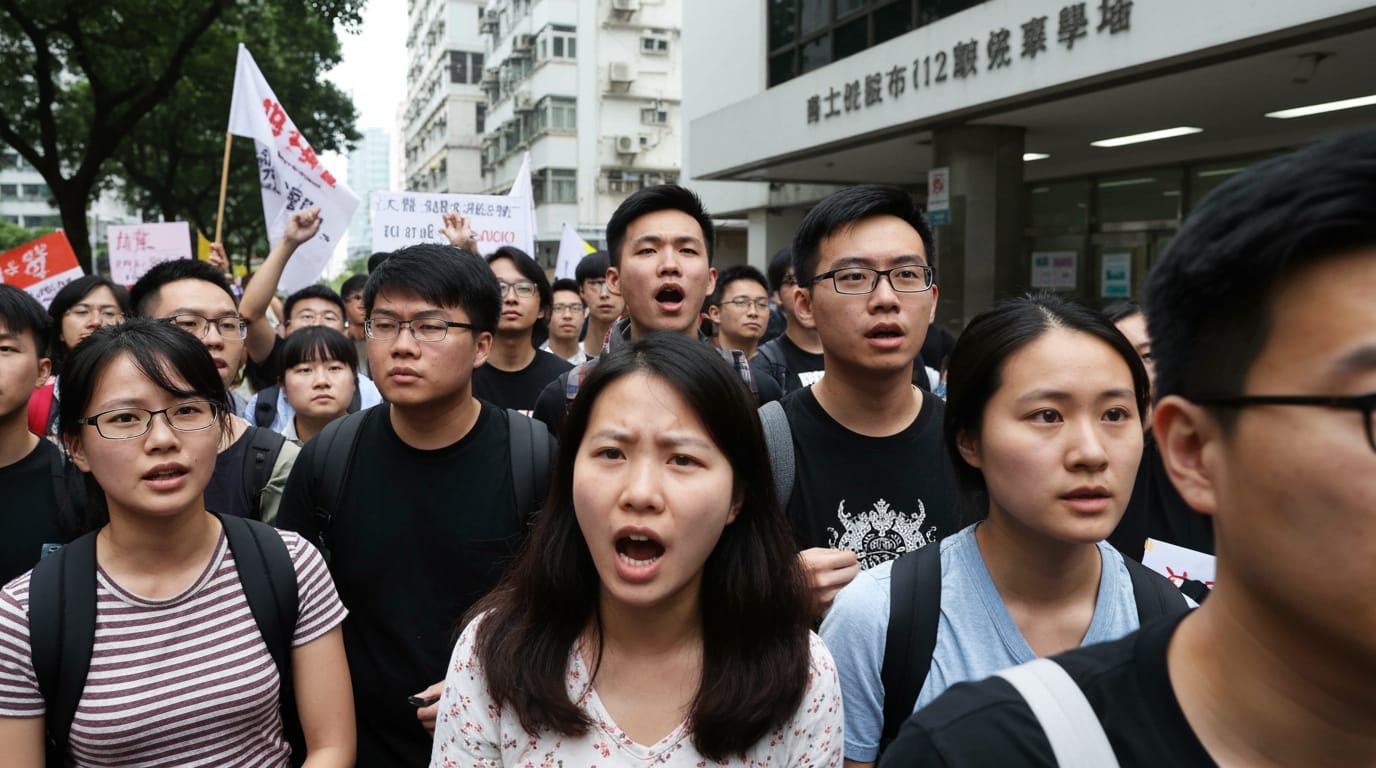
Hong Kong's legislative elections, once a vibrant arena for diverse political voices, have undergone a profound transformation, moving away from democratic principles and towards a system widely criticized as designed to ensure only "patriots" loyal to Beijing hold power. Sweeping electoral reforms introduced by China's National People's Congress in March 2021 have reshaped the city's political landscape, severely curtailing direct representation and effectively sidelining the pro-democracy opposition. This overhaul has led to record-low voter turnouts and international condemnation, raising serious questions about the future of autonomy under the "One Country, Two Systems" framework.
The Electoral Overhaul: Redrawing the Lines of Power
The fundamental shift in Hong Kong's electoral system was initiated on March 11, 2021, by China's National People's Congress (NPC), which amended Annex I and Annex II of the Basic Law. These changes drastically altered the composition and election methods for the Legislative Council (LegCo) and the Chief Executive. Under the new system, the LegCo was expanded from 70 to 90 seats. However, the number of directly elected geographical constituency seats was significantly reduced from 35 to just 20. In a pivotal change, an additional 40 seats are now elected by the Election Committee, a body already responsible for selecting the city's Chief Executive, with the remaining 30 seats allocated to indirectly elected functional constituencies. The five "super seats" in the District Council (Second) functional constituency, which were previously elected by all registered voters, were abolished.
Accompanying this restructuring was the expansion of the Election Committee itself, growing from 1,200 to 1,500 members. This committee, largely filled with pro-Beijing individuals and organizations, was granted new powers, including the authority to vet candidates for both LegCo and District Council elections. At the core of these reforms lies the principle of "patriots governing Hong Kong," a directive ensuring that only individuals deemed loyal to Beijing and the Chinese government can hold public office. This principle explicitly disqualifies anyone perceived as a dissident or critic from running for office. Prospective candidates are now subject to a rigorous vetting process, overseen by a new vetting mechanism that includes the Hong Kong Committee for Safeguarding National Security and the National Security Department of the Hong Kong Police Force, whose decisions are final and cannot be appealed. Candidates must "genuinely uphold Chinese sovereignty, security, and benefits of development," "respect and protect the fundamental system of the state," and "fully safeguard the prosperity and stability of Hong Kong" to be considered eligible.
Marginalization of Opposition and Shrinking Political Space
The electoral changes, coupled with the imposition of the National Security Law in June 2020, have systematically marginalized pro-democracy voices and significantly narrowed the political space in Hong Kong. The reforms effectively ensured that opposition pan-democratic candidates were barred from running, leading to arrests or forcing many into exile. The National Security Law has been invoked to charge pro-democracy activists with subversion, even for merely participating in primary elections. More than 50 former pro-democracy delegates and activists have been arrested, with many awaiting trial.
Critics argue that these changes have transformed the Legislative Council into little more than a "rubber-stamp puppet parliament" for the Chinese Communist Party, devoid of genuine opposition. The objective, according to many observers, was to eliminate any form of political resistance within the LegCo. Further tightening control, publicly inciting a vote boycott was criminalized in 2021, with arrests made in connection with such calls. These measures collectively underscore a concerted effort to stifle dissent and ensure unwavering loyalty among those in governance.
Record Low Voter Turnout and Public Disengagement
The tangible impact of these reforms was starkly evident in the 2021 Legislative Council election, which recorded the lowest voter turnout in Hong Kong's electoral history: a mere 30.20 percent. This figure represented a precipitous drop from nearly 60 percent in the 2016 LegCo election and a record high of 71 percent in the 2019 District Council election. The unprecedented low turnout was largely attributed to a widespread lack of interest among pro-democracy Hongkongers, many of whom chose to boycott the election in protest against the new system. Pro-democracy voters, who historically constituted approximately 60 percent of the electorate, largely shunned the polls.
Despite government efforts to boost participation, including offering free public transport and establishing polling stations at the Chinese border, the turnout remained historically low. State media, however, presented a different narrative, claiming "election enthusiasm" in the city. While officials urged active participation, emphasizing civic duty, the reality of public disengagement was undeniable. Low turnout is also anticipated for future "patriots-only" elections, signaling a continued public reluctance to engage with a system perceived as undemocratic.
International Condemnation and Erosion of "One Country, Two Systems"
The overhaul of Hong Kong's electoral system has drawn significant international criticism, with many governments and human rights organizations condemning the reforms as a severe blow to the city's democratic aspirations and autonomy. These changes are widely seen as having destroyed any remaining prospect of democratic elections in Hong Kong and represent an "assault on democratic principles." International bodies have expressed deep concerns that the reforms fundamentally breach the "One Country, Two Systems" principle, under which Hong Kong was guaranteed a high degree of autonomy for 50 years after its handover to China in 1997. Critics argue that the mainland's political system has been effectively introduced into Hong Kong, eroding its distinct legal and political framework.
Freedom House, a non-governmental organization advocating for democracy, called for a strong international response, including sanctions against those responsible for undermining rights in Hong Kong. In response to the imposition of the National Security Law and the subsequent electoral changes, several Western countries, including the United States, United Kingdom, Canada, Australia, Germany, and New Zealand, suspended their extradition treaties with Hong Kong. These reactions highlight a global perception that Beijing's actions have systematically dismantled the democratic safeguards and freedoms that were once hallmarks of Hong Kong's unique status.
Conclusion
Hong Kong's legislative elections, following the extensive reforms of 2021, are now largely perceived as far from democratic, serving instead as a mechanism to consolidate Beijing's control and exclude any dissenting voices under the principle of "patriots governing Hong Kong." The significant reduction in directly elected seats, the rigorous candidate vetting process, and the resulting marginalization of the pro-democracy opposition have fundamentally altered the city's political landscape. The record-low voter turnout in recent elections reflects a palpable sense of disengagement and disillusionment among the populace. These changes have prompted widespread international concern, indicating a significant departure from the promised high degree of autonomy and the erosion of democratic principles within the "One Country, Two Systems" framework, charting a new and contentious course for Hong Kong's political future.


