Horn of Africa on Edge: Renewed Tensions in Tigray Spark Fears of Broader Conflict
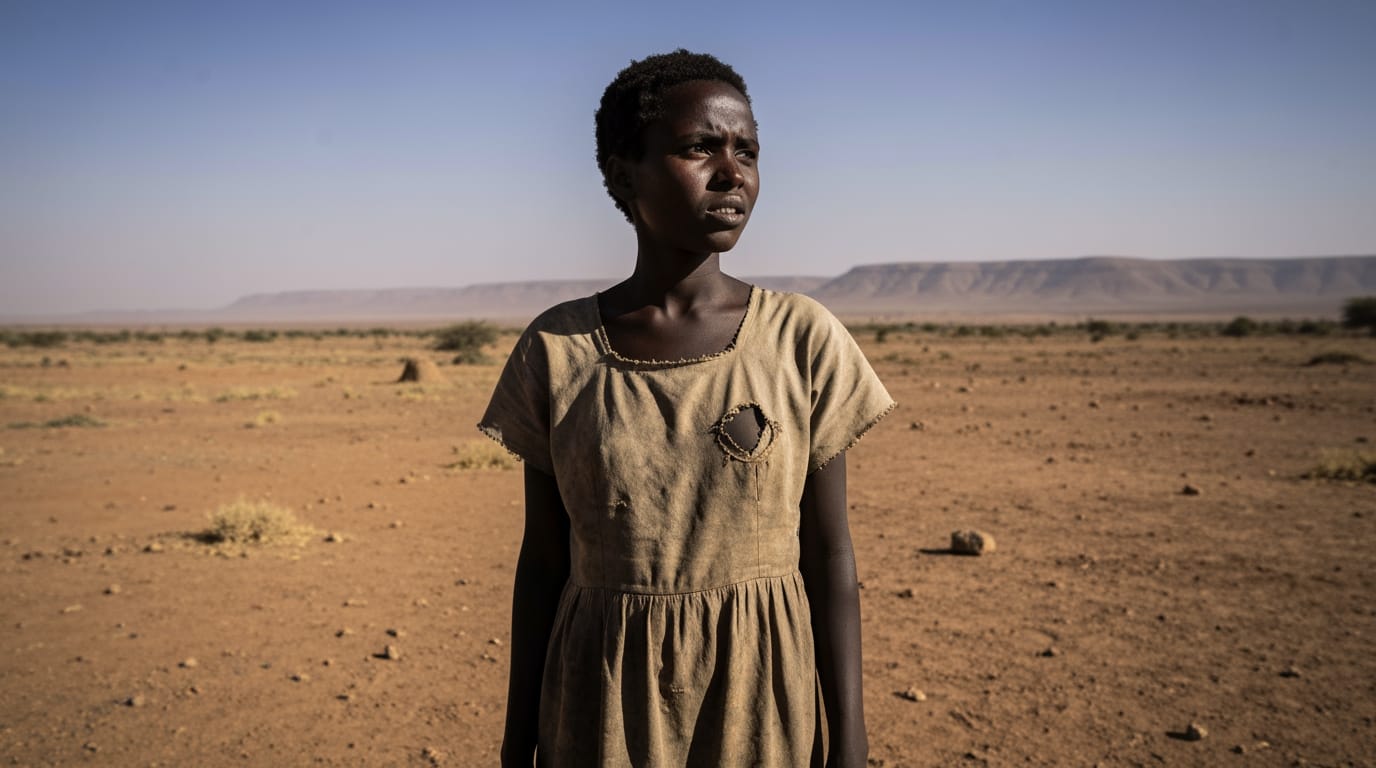
The fragile peace in Ethiopia's Tigray region teeters on the brink, fueling grave concerns that simmering tensions could ignite a wider war involving neighboring Eritrea. Three years after the conclusion of a devastating conflict that claimed hundreds of thousands of lives, the intricate web of historical grievances, unresolved disputes, and shifting alliances threatens to plunge the Horn of Africa into renewed instability. International observers and regional experts warn that a complex interplay of political maneuvering, ethnic divisions, and geopolitical aspirations is creating a volatile powder keg, the fallout of which could extend far beyond the region's borders.
The Lingering Shadows of a Brutal War
The initial conflict, which raged from November 2020 to November 2022, pitted the Ethiopian federal government and its allies, including Eritrean forces and regional militias, against the Tigray People's Liberation Front (TPLF). The origins of the war were rooted in escalating tensions between Prime Minister Abiy Ahmed's administration and the TPLF, a party that had long held significant sway in Ethiopian politics. A critical flashpoint occurred when the TPLF proceeded with regional elections in September 2020, defying a federal directive to postpone them due to the COVID-19 pandemic. This act was perceived by Addis Ababa as a direct challenge to its authority, triggering a full-scale military offensive.
Eritrea's involvement in the conflict was a significant and controversial element, with its troops providing substantial support to Ethiopian federal forces. This alliance was largely driven by Eritrea's deep-seated animosity towards the TPLF, which it viewed as a long-standing adversary, stemming from a bitter border war between Ethiopia and Eritrea from 1998 to 2000. Eyewitness accounts and international reports documented the presence of Eritrean soldiers and their alleged participation in widespread human rights abuses, including war crimes and crimes against humanity, throughout the conflict. These atrocities, which reportedly continued even after the official cessation of hostilities, included acts of rape, enslavement, and extrajudicial killings of civilians.
A Fragile Peace and Unresolved Grievances
The conflict formally concluded with the signing of the Pretoria Agreement in November 2022, a cessation of hostilities between the Ethiopian government and the TPLF. However, Eritrea was conspicuously absent from this peace accord, and reports indicated that Eritrean forces continued to operate within Tigray, launching attacks and occupying territories. This omission left a critical void in the peace process, allowing for the persistence of unresolved grievances and military presences that continue to fuel instability. The agreement, while halting direct large-scale fighting, created new fault lines within the region and among former allies.
The aftermath of the war has been fraught with internal political struggles within Tigray, including power struggles between various factions of the TPLF and the Tigray Interim Administration (TIA) appointed by the Ethiopian government. These internal divisions, coupled with the continued presence and influence of external actors, have made the path to lasting peace profoundly challenging. Accusations have emerged from the Ethiopian federal government suggesting that elements of the TPLF are forging new alliances with national enemies, including Eritrea and the Amhara-based Fano militia, further complicating efforts to consolidate peace. These allegations, reportedly supported by audio recordings, highlight the deep mistrust and shifting political landscape that characterize the current situation.
Humanitarian Catastrophe and Enduring Scars
The human cost of the Tigray conflict has been catastrophic, leaving the region in ruins and its population in dire straits. Estimates suggest that between 100,000 and 600,000 people lost their lives during the war. Beyond the direct casualties, a severe humanitarian crisis has unfolded, with an estimated 4.5 to 7 million people requiring urgent assistance. Mass displacement has become a tragic reality for over 4.4 million individuals, many of whom remain unable to return to their homes due to ongoing occupation by Eritrean and Amhara forces.
Reports have detailed widespread famine and starvation, with nearly half of the deaths in Tigray attributed to lack of food and alarming levels of child malnutrition. Humanitarian aid access has been severely restricted, with accusations that starvation was deliberately used as a weapon of war by some parties to the conflict. Infrastructure, including hospitals and schools, was extensively damaged or destroyed, with approximately 80% of healthcare facilities impacted. Sexual violence, including rape and gang rape, was systematically perpetrated against women and girls, often with impunity, leaving survivors with little medical or psychological support. The enduring trauma and the widespread destruction underscore the immense challenges facing recovery and rehabilitation efforts in the region.
Geopolitical Chessboard: The Threat of Wider Conflict
Adding to the regional instability is Ethiopia's persistent ambition to secure sovereign sea access, a strategic goal that has significantly strained relations with Eritrea. Ethiopia, a landlocked nation since Eritrea's independence in 1993, views access to the Red Sea as vital for its economic and strategic interests. This aspiration has been interpreted by Eritrea as a direct threat, raising fears of a potential invasion. Prime Minister Abiy Ahmed's public statements on this matter have been seen as thinly veiled warnings, further escalating tensions between the two nations that were once allies against the TPLF.
The historical rivalry between Ethiopia and Eritrea, coupled with their recent joint military campaign in Tigray, has created a complex and unpredictable dynamic. While some analysts suggest that a large-scale war might be unlikely due to the immense political and humanitarian costs, the possibility of a low-intensity proxy conflict or miscalculation sparking a broader confrontation remains a significant concern. The intertwining of internal Tigrayan politics with the Ethiopia-Eritrea dynamic creates a dangerous feedback loop, where actions by one party can quickly exacerbate tensions among all.
International Calls for De-escalation
The international community has consistently voiced alarm over the humanitarian crisis and human rights abuses in Tigray, calling for immediate, unimpeded humanitarian access and the withdrawal of Eritrean forces. Various international bodies and nations, including the United States, have condemned the violence and pressed for accountability for atrocities committed during the conflict. Despite these calls, significant obstacles remain, including bureaucratic hurdles and the lack of full cooperation from involved parties.
Influential African states and global powers are urged to engage in quiet diplomacy to de-escalate tensions and address the core grievances of all sides. Efforts are needed to mediate between the Ethiopian federal government and the TPLF, while also tackling the deeper rift between Ethiopia and Eritrea. The potential for the conflict to spill over into neighboring Sudan, already grappling with its own civil war, further underscores the urgent need for a comprehensive and coordinated international response to prevent a wider regional catastrophe. Without sustained diplomatic engagement and a genuine commitment from all parties to peaceful resolution, the Horn of Africa remains precariously poised on the edge of another devastating conflict.


