Ramaphosa Faces Renewed Impeachment Threat as Phala Phala Scandal Resurfaces
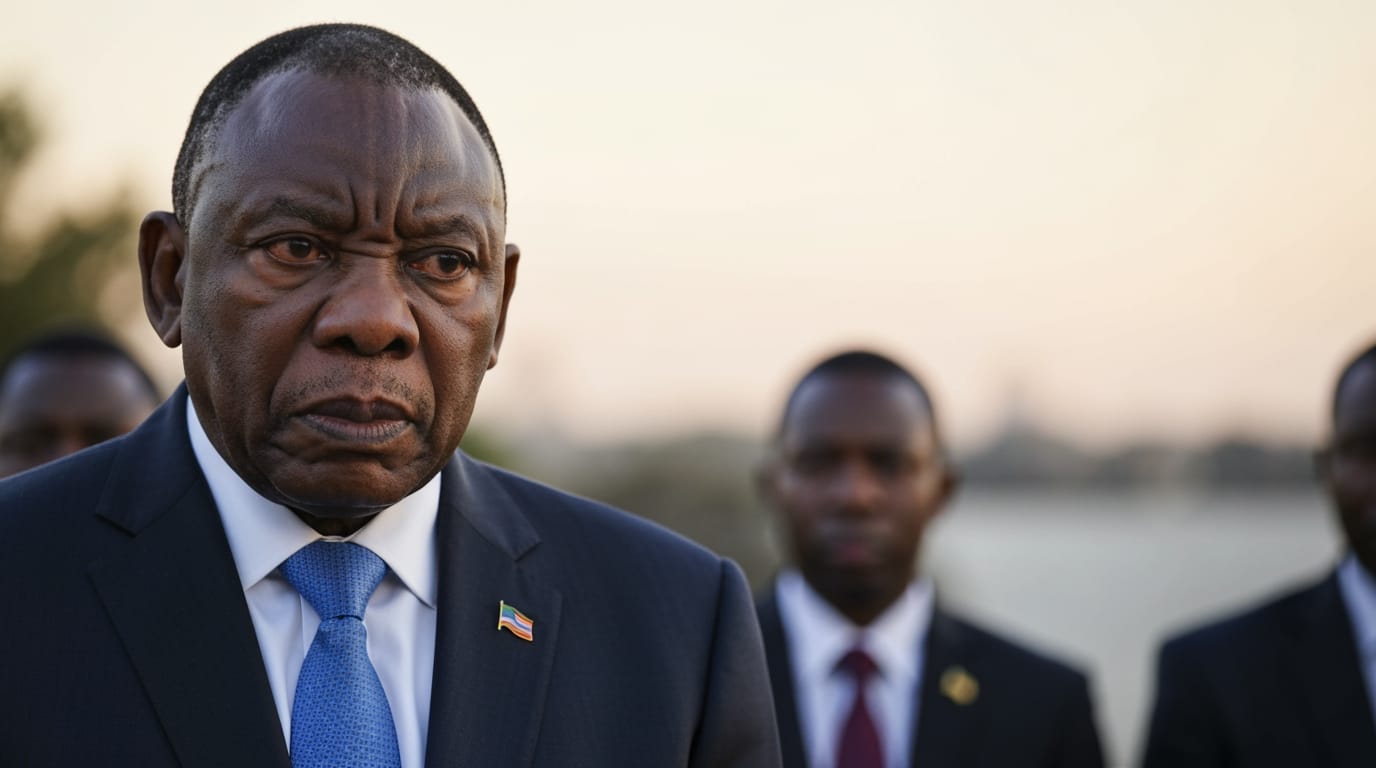
South African President Cyril Ramaphosa is once again confronting a significant challenge to his tenure, as the nation's highest court has cleared the path for revived impeachment proceedings related to the "Phala Phala" scandal. The Constitutional Court's recent ruling, delivered on May 8, 2026, overturned a 2022 parliamentary decision that had previously shielded the president from a full inquiry, plunging Ramaphosa back into a political maelstrom. This development reignites scrutiny over allegations of undeclared foreign currency, potential constitutional violations, and serious misconduct, forcing Parliament to establish a new committee to investigate the matter. The outcome of these renewed proceedings will significantly shape South Africa's political landscape, especially as the African National Congress (ANC) navigates a complex coalition government.
The Phala Phala Fallout: A Resurfacing Scandal
The core of the renewed impeachment push traces back to an incident in February 2020, when a substantial sum of foreign currency, reportedly hidden within a sofa at President Ramaphosa’s Phala Phala game farm, was stolen. While former spy chief Arthur Fraser initially alleged the sum to be around $4 million, President Ramaphosa has consistently maintained the amount was $580,000, claiming it was legitimate proceeds from buffalo sales. However, the circumstances surrounding the theft — including why such a large amount of cash was stored on the property rather than in a bank, and whether it was properly declared — have raised persistent questions. Further complicating the matter are allegations that the president's security detail reportedly bypassed standard police procedures in investigating the theft and allegedly illegally detained suspects.
An independent panel, established by Parliament in 2022, had previously reviewed the Phala Phala allegations and concluded there was preliminary evidence suggesting President Ramaphosa might have violated the Constitution and engaged in serious misconduct. This finding sparked intense calls for impeachment. However, the African National Congress, leveraging its then-parliamentary majority, voted against adopting the panel's recommendations, effectively halting the impeachment process. This parliamentary decision, which occurred just days before a crucial ANC elective conference where Ramaphosa sought re-election as party leader, was seen by many as a strategic move to protect his political standing.
Constitutional Court's Interruption and Ramaphosa's Defense
The political reprieve granted to President Ramaphosa in 2022 proved temporary. On May 8, 2026, the Constitutional Court delivered a landmark ruling, declaring Parliament's previous decision to block the inquiry inconsistent with the Constitution. The court emphasized that terminating the impeachment process without a proper consideration of the case's merits stifled informed debate and undermined principles of accountability and transparency. This ruling mandates Parliament to establish an impeachment committee to thoroughly investigate the allegations against the president.
In response to the court's directive, President Ramaphosa addressed the nation, affirming his respect for the judiciary but firmly stating his refusal to resign. He announced his intention to legally challenge the independent panel's 2022 report, describing it as "deeply flawed" and based on hearsay, asserting that he committed no wrongdoing. This decision sets up a unique scenario where the president will simultaneously face a parliamentary investigation and pursue a judicial review of the very report underpinning those proceedings. While his supporters view this as a rightful defense against a flawed process, critics suggest it may be a tactic to delay accountability.
The Impeachment Mechanism: A Test of South African Democracy
The process for removing a South African president is outlined in Section 89 of the Constitution. Grounds for removal include a serious violation of the Constitution or law, serious misconduct, or an inability to perform the functions of office. The procedure involves several critical stages: a parliamentary member initiates a motion, which is then referred to a panel of three independent legal experts. Should this panel find sufficient evidence, an impeachment committee is then established. This committee is tasked with investigating the allegations, gathering evidence, and subsequently making a recommendation to the National Assembly.
The ultimate decision rests with the National Assembly, where a two-thirds majority vote is required to remove the president from office. This threshold, representing 267 of the 400 seats, remains a high bar. In 2022, the ANC's strong majority easily thwarted the impeachment attempt. However, the political landscape has since shifted dramatically. The ANC lost its outright majority in the 2024 general elections and now governs in a coalition. While the ANC, even with its current 159 seats, commands a significant portion of Parliament, securing a two-thirds majority for impeachment would necessitate considerable cross-party support, including from coalition partners. This new dynamic means the ANC may find it more challenging to unilaterally shield its leader, and some internal divisions within the party are beginning to surface.
Political Ramifications and Future Outlook
The revival of the Phala Phala impeachment proceedings casts a long shadow over President Ramaphosa's remaining term. The parliamentary investigation is expected to take several months, ensuring the scandal remains a prominent feature of the political discourse. Ramaphosa's legal challenge to the panel's report could further prolong the process, potentially delaying definitive parliamentary action. Opposition parties, such as the Economic Freedom Fighters (EFF) and the African Transformation Movement (ATM), who initiated the legal challenge, are vociferously demanding his immediate resignation.
Beyond the impeachment process, the president also faces the ongoing possibility of a motion of no confidence, which requires only a simple majority vote in Parliament to succeed. This turbulent period has also ignited discussions about potential successors within the ANC, with figures like businessman Patrice Motsepe being favored by some party voters, despite not being part of the formal leadership succession plan. Investors, while seemingly unperturbed by the immediate impeachment threat and betting on the continuity of economic reforms under the new Government of National Unity, acknowledge that political volatility is likely to persist. The coming months will undoubtedly be a critical period for South African democracy and President Ramaphosa's political future.