Houthi Attack Wounds 11 Civilians in Saudi Arabia Amid Regional Escalation

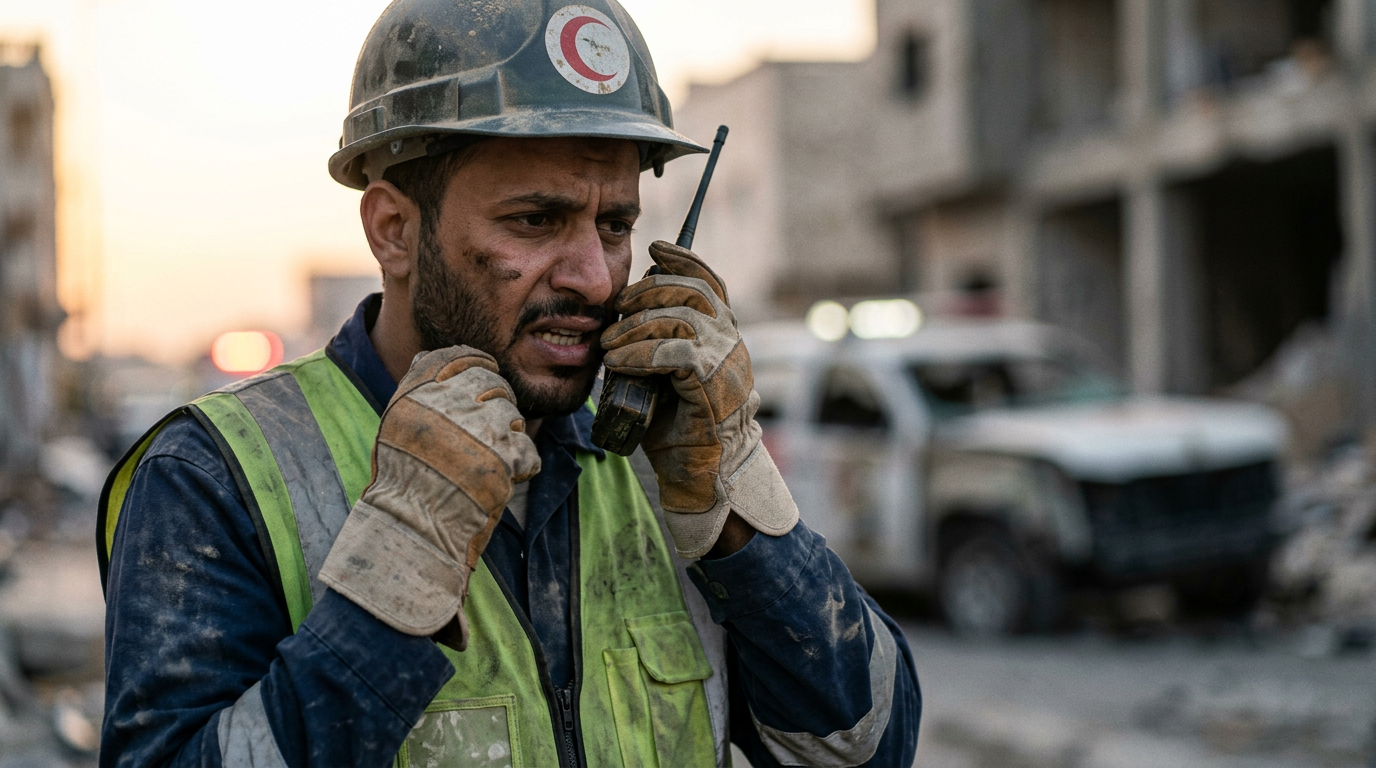
Eleven civilians, including a 4-year-old child, sustained injuries in a Houthi attack on Saudi Arabia’s southern Najran Province late Thursday, signaling a dangerous escalation in the long-running conflict between the Iran-backed Yemeni group and the Saudi-led coalition. The incident occurred hours after Houthi forces launched a devastating series of missile and drone strikes within Yemen, killing dozens of government troops and marking one of the civil war’s deadliest days in four years. Saudi officials swiftly condemned the cross-border assault, warning of an increasingly volatile regional landscape where the Yemeni conflict is becoming inextricably linked with broader geopolitical tensions.
Civilian Casualties Highlight Renewed Conflict
The attack in Najran, a province bordering Yemen, resulted in severe injuries for several individuals caught in the indiscriminate shelling. Among the wounded were seven Saudi nationals, a Yemeni, two Egyptians, and one Pakistani national. The Saudi-led military coalition, supporting Yemen's internationally recognized government, reported that a 4-year-old child suffered second-degree burns, underscoring the human cost of the renewed hostilities. Major General Turki al-Maliki, spokesman for the coalition, accused the Houthi militia of deliberately targeting civilian areas, characterizing the actions as "terrorist attacks" and a clear violation of international humanitarian law. The coalition pledged to continue taking all necessary measures to protect civilians. The Houthi group, which has increasingly targeted Saudi military, infrastructure, and shipping assets, had previously claimed an attack on Najran airport earlier in the week.
Intensified Cross-Border and Internal Offensive
Thursday's strike in Najran was not an isolated event but rather part of a broader, intensified offensive by the Houthis. Earlier the same day, Houthi missile and drone attacks within Yemen killed at least 58 government troops in the Marib and Hadhramaut provinces. This internal assault, described by military sources as one of the deadliest against Yemen's internationally recognized government forces since 2022, highlights the Houthis' renewed operational capabilities and willingness to escalate military pressure. Houthi military spokesman Yahya Saree stated that the attacks on government positions were a response to what he termed a "Saudi-backed military buildup." The Yemeni defense ministry has vowed to retaliate against these Houthi actions, further cementing the cycle of violence. The timing and coordination of these attacks, both within Yemen and across the Saudi border, indicate a strategic re-evaluation by the Houthis, aimed at maximizing impact and demonstrating their reach.
Growing Entanglement in Wider Regional Tensions
The surge in Houthi aggression comes amidst growing concerns that the Yemen conflict is being drawn deeper into a broader regional confrontation. Saudi Arabia has explicitly warned of imminent, coordinated attacks from the Houthis and Iran-backed Iraqi militias, with intelligence suggesting potential targets could include civilian and economic sites such such as energy infrastructure, ports, and airports. A senior Saudi official, speaking anonymously, indicated that drones and missiles were being repositioned, signaling synchronized operations from both northern and southern fronts. Riyadh's decade-old conflict with the Houthis has become increasingly intertwined with the larger geopolitical landscape, particularly with the ongoing US-Israeli war with Iran. The Houthis have, for instance, implemented a Red Sea blockade that has disrupted Saudi oil exports, further raising the stakes in the regional power struggle. This interconnectedness means that local escalations in Yemen now carry significant regional and even international implications, with Riyadh actively seeking to deepen security cooperation with allies while cautioning against an expanding threat from Iran-aligned groups.
A Decade of Conflict and Humanitarian Crisis
The recent violence serves as a stark reminder of the protracted and devastating conflict in Yemen, which began in 2014 when Houthi insurgents seized the capital, Sanaa, leading to the intervention of a Saudi-led coalition in 2015. The coalition's primary objective has been to restore the internationally recognized government of Yemen and counter the perceived Iranian influence through the Houthis. The initial stages of the conflict saw the Houthis making significant territorial gains, which were then largely pushed back by the Saudi intervention. Despite a UN-brokered ceasefire in 2022 that brought a period of relative calm, the Houthis abandoned the truce, intensifying their attacks against Saudi-linked targets and government forces. This prolonged conflict has exacted a catastrophic toll on the Yemeni people, resulting in hundreds of thousands of deaths and plunging the nation into one of the world's worst humanitarian crises. The current escalation threatens to further exacerbate an already dire situation, diminishing hopes for a lasting peace.
The attack in Najran, injuring 11 civilians and including a child, underscores the severe and immediate danger posed by the renewed hostilities in the region. This incident, alongside the deadly internal clashes in Yemen, signals a significant re-escalation of the conflict between the Houthis and the Saudi-led coalition. As Saudi Arabia warns of broader, coordinated attacks and the conflict further intertwines with wider regional tensions, the path toward de-escalation appears increasingly perilous. The humanitarian crisis in Yemen, already catastrophic, faces an even bleaker future, with civilians continuing to bear the brunt of a war with ever-expanding dimensions.
Related Articles

Ratko Mladić, "Butcher of Bosnia" and Convicted War Criminal, Dies at 84
THE HAGUE, Netherlands – Ratko Mladić, the former Bosnian Serb military commander known as the "Butcher of Bosnia" and convicted of genocide, war crimes, and crimes against humanity, has died at the age of 84. Serbian...

Long-Awaited 9/11 Mastermind Trial Set for 2028, Decades After Attacks
GUANTANAMO BAY, Cuba – Nearly a quarter-century after the devastating terror attacks of September 11, 2001, a military judge has finally set a trial date for Khalid Sheikh Mohammed, the alleged mastermind behind the...