Hundreds in Gaza Protest Against Hamas Amid Deepening Crisis
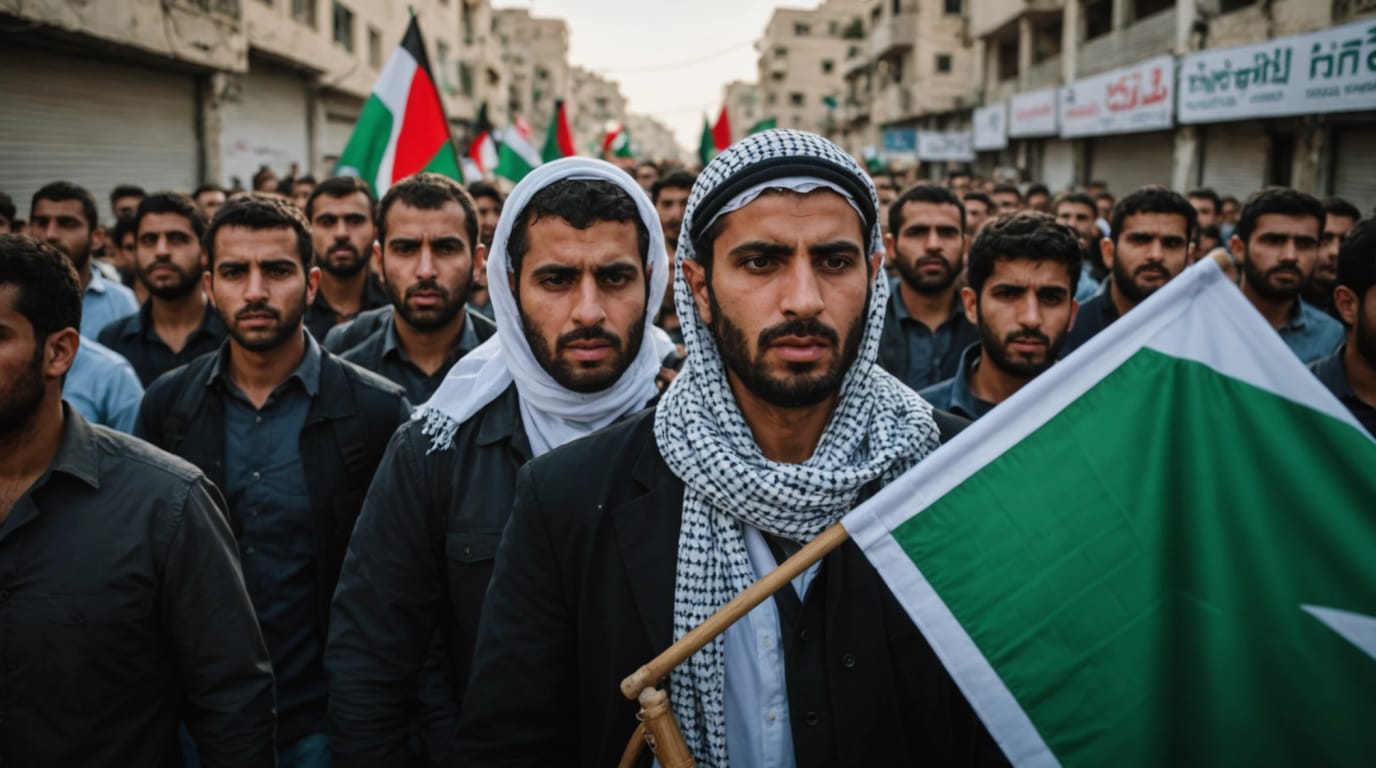
Gaza City – Hundreds of Palestinians in the Gaza Strip staged rare protests against Hamas this week, reflecting growing discontent over the group's governance and the dire humanitarian situation exacerbated by the ongoing conflict with Israel. The demonstrations, which took place in northern Gaza, mark a significant challenge to Hamas's authority, which has ruled the territory since 2007.
Rare Display of Dissent
The protests, a rare occurrence in Gaza where dissent is often suppressed, erupted in areas like Beit Lahia and Jabalia. Demonstrators chanted slogans such as "Hamas out" and carried banners calling for an end to the war and improved living conditions. The protests underscore the rising frustration among Gaza residents who have endured years of hardship, compounded by the recent conflict and a tightened blockade.
Eyewitnesses reported that the demonstrations began as anti-war rallies but quickly evolved into expressions of anger against Hamas's rule. Protesters accused Hamas of prioritizing its political and military objectives over the well-being of civilians.
Hamas's Response and Accusations
Hamas has condemned the protests, with its military wing accusing demonstrators of being "agents" who support Israel. The group also suggested that its rival, the Palestinian Authority in Ramallah, was behind the unrest. These accusations reflect the deep divisions within Palestinian politics and the challenges Hamas faces in maintaining control over Gaza.
Some reports indicate that Hamas security forces attempted to disperse the gatherings, raising concerns about the group's tolerance for dissent. However, other reports suggest that Hamas did not actively break up the protests or make arrests, possibly indicating a cautious approach to avoid further inflaming public anger.
Deteriorating Living Conditions
The protests come against a backdrop of deteriorating living conditions in Gaza. The ongoing conflict with Israel has devastated the territory's infrastructure, leading to widespread shortages of essential goods and services. The economy has collapsed, with unemployment soaring and poverty rates reaching alarming levels.
According to the United Nations, Gaza's Gross Domestic Product (GDP) plummeted by 81% in the last quarter of 2023, leading to a 22% contraction for the entire year. By mid-2024, Gaza's economy had shrunk to less than one-sixth of its 2022 level. Unemployment in the Palestinian Territories has soared, and nearly 100% of the population in Gaza now lives in poverty.
The economic crisis has been exacerbated by the ongoing blockade imposed by Israel and Egypt, which restricts the movement of goods and people in and out of Gaza. The blockade has severely damaged the agriculture sector and crippled the region's food production capacity.
Political Implications
The protests against Hamas have significant political implications for the region. The demonstrations highlight the growing discontent among Palestinians with Hamas's rule and its handling of the conflict with Israel. The protests could also embolden Hamas's political rivals, such as Fatah, to challenge its authority in Gaza.
Fatah spokesperson Munther Hayek called on Hamas to step down from governance in Gaza, allowing the Palestinian Authority to take responsibility. He stated that Hamas's presence "is harming the Palestinian cause" and urged the group "to listen to calls for change to help alleviate the suffering in Gaza."
The protests also come at a time when there are ongoing discussions about the future of Gaza's governance. Israel has stated that it will not allow Hamas to remain in power, and there have been reports of discussions about potential alternatives, including a role for the Palestinian Authority or an international peacekeeping force.
A Turning Point?
It remains to be seen whether the protests against Hamas will lead to significant change in Gaza. The group has a history of suppressing dissent and maintaining its grip on power through force. However, the current situation in Gaza is unprecedented, with the territory facing a humanitarian crisis and growing public anger.
Some analysts believe that the protests could mark a turning point in Gaza, potentially leading to a shift in power dynamics and a new era for the territory. Others are more cautious, noting that Hamas remains a powerful force and is unlikely to relinquish control without a fight.
International Response
The international community has expressed concern about the situation in Gaza and has called for an end to the violence and improved humanitarian access. The United Nations has reduced aid operations in the strip, citing Israel's "devastating strikes" and blockade of humanitarian aid entry.
The United States has also been involved in efforts to mediate a ceasefire between Israel and Hamas and to address the humanitarian crisis in Gaza. However, these efforts have so far been unsuccessful, and the conflict continues to escalate.
Conclusion
The protests against Hamas in Gaza reflect the growing desperation and frustration among Palestinians who have endured years of conflict, poverty, and political instability. The demonstrations pose a significant challenge to Hamas's authority and could have far-reaching implications for the future of Gaza and the wider region. As the humanitarian crisis deepens and public anger rises, the need for a lasting solution to the conflict becomes ever more urgent. The international community must work together to address the root causes of the conflict and to create a future of peace, security, and prosperity for all Palestinians.


