Hungarian Protests Swell, Demanding End to Orbán's Decades-Long Rule
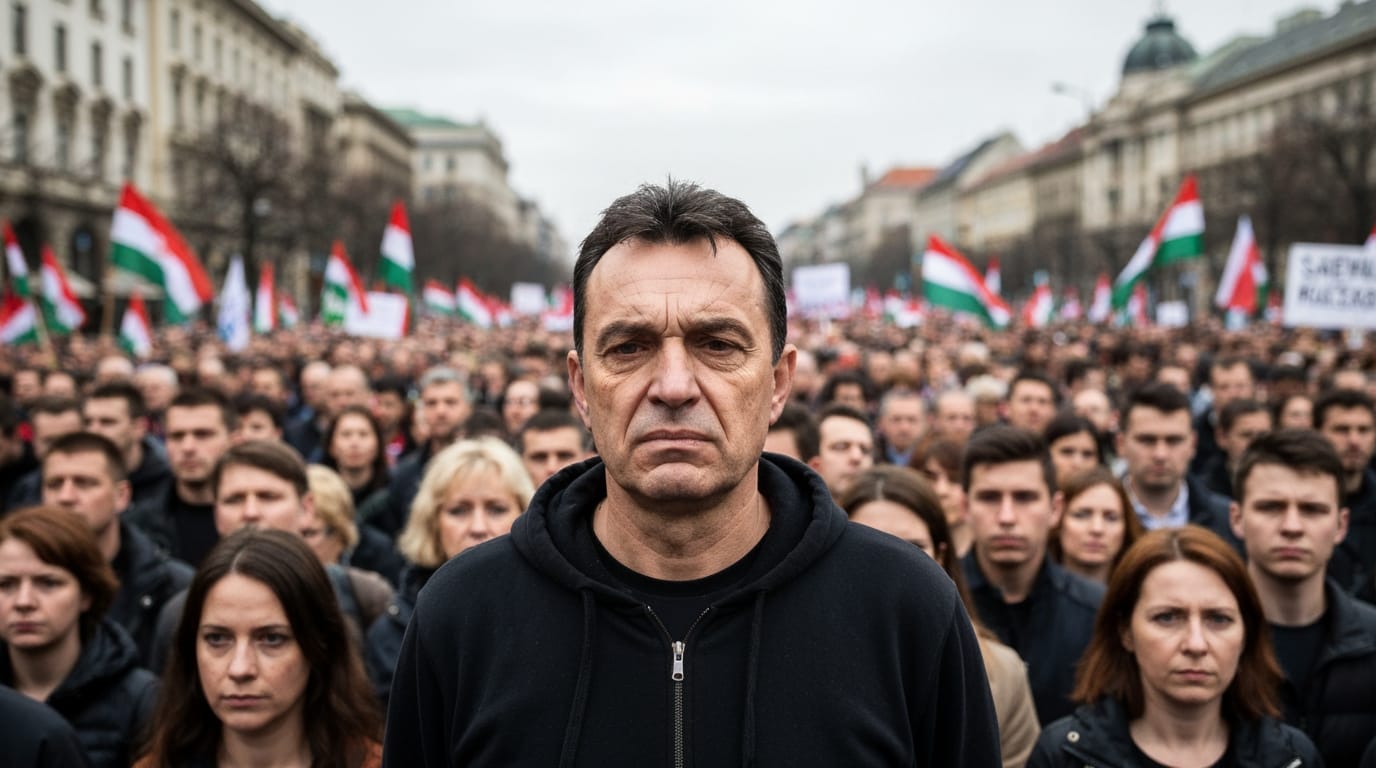
BUDAPEST – Tens of thousands of Hungarians have taken to the streets in recent months, galvanizing a burgeoning opposition movement demanding the resignation of Prime Minister Viktor Orbán and an end to his Fidesz party's dominant, nearly 15-year tenure. Fuelled by a child abuse pardon scandal that shook the nation and simmering discontent over democratic backsliding, economic woes, and pervasive corruption, these mass demonstrations signal a significant shift in Hungary's political landscape, presenting Orbán with perhaps his most formidable challenge yet. A new political force, led by former Fidesz insider Péter Magyar, has rapidly emerged, tapping into a broad base of frustration and offering a direct alternative to the long-serving prime minister ahead of upcoming elections.
Scandal Ignites National Outcry and Political Upheaval
The immediate catalyst for the recent wave of widespread protests was an explosive child sexual abuse pardon scandal that rocked Hungary in early 2025. The controversy erupted when it was revealed that President Katalin Novák, a close ally of Orbán, had issued a presidential pardon to a man convicted of covering up a string of child sexual abuses at a state-run orphanage. The pardon ignited a national uproar, prompting widespread outrage across Hungarian society and leading to Novák's resignation, followed swiftly by that of former Justice Minister Judit Varga, who had co-signed the pardon. Both women were prominent figures within Orbán's Fidesz party, and their departures created unprecedented fissures within the ruling establishment.
The scandal became a focal point for deeper societal frustrations, mobilizing segments of the public often disengaged from politics. Influential online personalities and content creators played a crucial role in amplifying public anger and organizing protests, drawing crowds of at least 10,000 in Budapest's Heroes' Square to demand systemic reforms to the child protection system and a fundamental change in governance. Many demonstrators expressed a desire for transparency, human dignity, and honest public dialogue, with some noting they had not protested since the collapse of communism in 1989. The incident left a significant stain on a government that had often positioned itself as a staunch defender of children and family values, leading critics to accuse Orbán of hypocrisy.
Deepening Discontent: A Decade of Eroding Freedoms
While the child abuse scandal served as a potent trigger, the protests reflect a decade-long accumulation of grievances against Viktor Orbán's government. Since returning to power in 2010, Orbán and his Fidesz party have systematically implemented constitutional and legal changes that critics argue have dismantled independent institutions and weakened democratic rights. Key concerns include the erosion of judicial independence, limitations on free expression and assembly, and a significant tightening of the media landscape.
The government's control over media has been particularly contentious. Orbán has been accused of building a media empire whose outlets align with Fidesz's agenda, with pro-government entities reportedly controlling approximately 80% of Hungary's media. Independent journalists face increasing obstacles, including limited access to public data and officials, and have been subject to smear campaigns, online harassment, and surveillance through software like Pegasus. Hungary's ranking in the Reporters Without Borders Press Freedom Index has plummeted from 40th a decade ago to 85th, a clear indicator of declining media freedom. The European Commission has initiated infringement procedures against Hungary for non-compliance with the European Media Freedom Act, citing concerns over interference with journalistic work and inadequate protection of sources.
Concerns about judicial independence have also led to substantial friction with the European Union. The EU froze billions in funds over rule of law concerns, demanding reforms to strengthen the judiciary. While Hungary has adopted some legislation aimed at improving judicial independence, significant worries remain regarding other aspects of fundamental rights, leading to ongoing disputes over the release of all frozen funds. Beyond institutional concerns, rising inflation and a cost-of-living crisis have contributed to public dissatisfaction. The government has also faced criticism for its policies restricting LGBTQ+ rights, including laws banning public LGBTQ+ events and using facial recognition technology to identify participants, policies which critics view as designed to mobilize Orbán's conservative base.
The Emergence of Péter Magyar: A New Opposition Force
Amidst the growing public unrest, a new and unexpected political figure has rapidly risen to prominence: Péter Magyar. The former Fidesz insider, once married to ex-Justice Minister Judit Varga, broke with Orbán's government following the child abuse pardon scandal. Magyar swiftly positioned himself as a vocal critic of the administration, alleging deep-seated corruption among ruling party elites and accusing the government of covering up crimes. His candid accusations and a leaked recording, in which Varga reportedly implicated prominent government officials in evidence manipulation for a high-profile corruption case, have been viewed millions of times online, further fueling public fury.
Magyar has channeled this momentum into a new political movement, the Tisza party, which has quickly gained significant public support. Polls indicate that Tisza is neck-and-neck or even ahead of Orbán's Fidesz party with approximately a year remaining until national elections. His platform focuses on combating corruption and addressing the cost-of-living crisis, resonating with a populace weary of the established political order. Magyar's emergence is seen as a serious challenge to Orbán's long-held dominance, with his background as an insider giving his criticisms particular weight and undermining Fidesz's narrative of national unity.
Government's Hardline Stance and International Scrutiny
In response to the growing dissent and the rise of a new opposition, Prime Minister Orbán has maintained a hardline stance, often portraying his critics as foreign-influenced adversaries. In speeches, he has vowed to rid Hungary of those he claims "work for the interests of foreign powers" and has targeted a global "shadow army" of non-governmental organizations, journalists, and politicians serving the European Union and a "liberal American empire." He has accused critical media of disseminating false information and receiving funding from billionaire George Soros.
Further escalating tensions, Orbán's Fidesz party has proposed controversial legislation, including amendments that could allow for the suspension of citizenship and deportation of dual citizens deemed a threat to Hungary's sovereignty. Most notably, a proposed "sovereignty protection" bill aims to monitor, penalize, or even ban organizations that receive foreign funding. Critics, including numerous civil society groups and European media outlets, warn that this legislation is designed to silence critical voices, undermine independent media and NGOs, and is reminiscent of authoritarian tactics seen in Russia. The European Union has also voiced strong opposition, stating that such measures would breach EU laws and fundamental values.
The EU's relationship with Hungary remains strained, with ongoing Article 7 procedures—a mechanism to address serious breaches of EU values—triggered against Hungary in 2018. While some EU funds have been released following judicial reforms, concerns persist regarding academic freedom, asylum rights, and the overall rule of law, keeping billions in aid under scrutiny.
Hungary at a Crossroads
The mounting protests and the rise of Péter Magyar signify a critical juncture for Hungary. The child abuse pardon scandal has exposed vulnerabilities within Orbán's government, challenging its carefully cultivated image and galvanizing a previously fragmented opposition. With national elections scheduled for next year and European Parliament elections looming, the political stakes are exceptionally high.
The coming months will test the resilience of the protest movement and the longevity of Magyar's challenge, as well as the Fidesz government's ability to maintain its grip on power. The outcome will not only determine Hungary's domestic political trajectory but also its relationship with the European Union, which has increasingly scrutinized Budapest's adherence to democratic norms and the rule of law. The current wave of dissent represents a potent expression of public desire for accountability and change, placing Orbán's long-standing leadership under unprecedented pressure.


