Hungary's Asylum Grants to Polish Officials Ignite EU Rule of Law Crisis
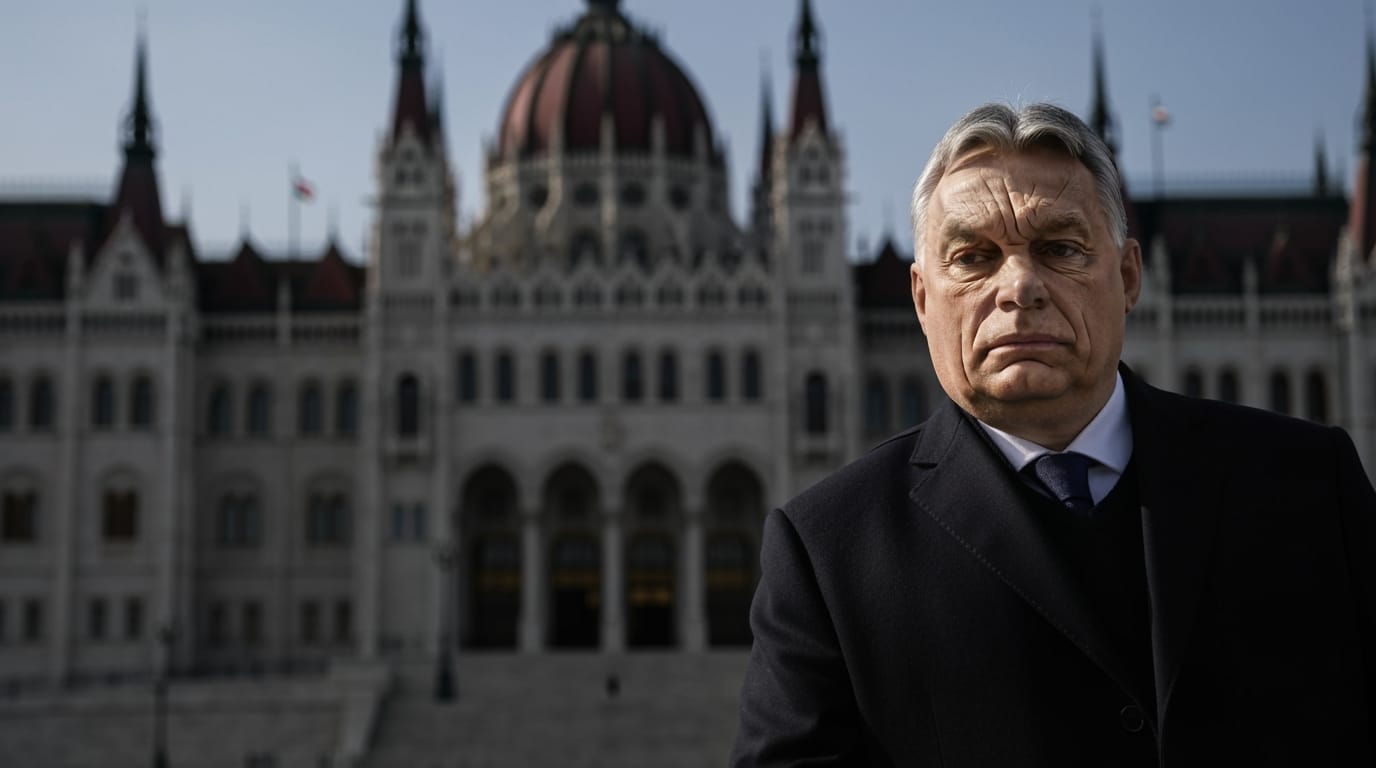
BUDAPEST, Hungary – Hungary's recent decision to grant political asylum to former senior Polish justice officials, who are currently under investigation and facing charges of corruption in their home country, has plunged relations between Warsaw and Budapest into an unprecedented diplomatic crisis. The move, centered on former Polish Justice Minister Zbigniew Ziobro and his deputy Marcin Romanowski, has provoked outrage in Poland and raised profound questions about the sanctity of the rule of law and mutual trust among European Union member states. This contentious action by the Hungarian government under Prime Minister Viktor Orbán is seen as a direct challenge to the principles underpinning the EU, intensifying an already strained geopolitical landscape within the bloc.
Asylum and Diplomatic Firestorm
The diplomatic dispute flared with Hungary's granting of political asylum to Marcin Romanowski in late 2024, followed by a similar decision concerning Zbigniew Ziobro in early 2026. Ziobro, a pivotal figure in Poland's previous nationalist government, faces a litany of charges, including accusations of leading an organized criminal group and misusing public funds from the Justice Fund, a scheme initially designed to aid crime victims. Polish prosecutors allege that approximately 150 million zlotys (over 35 million euros) were embezzled and potentially used for political patronage and the acquisition of Pegasus spyware to monitor political opponents. Romanowski faces similar charges. Both former officials deny the allegations, characterizing the investigations as politically motivated persecution by Poland's new government.
Hungary's Ministry of Foreign Affairs asserted that the asylum decisions were made in accordance with EU law, claiming a "crisis of the rule of law" in Poland and a prevalence of "politically motivated persecution". Hungarian Foreign Minister Péter Szijjártó confirmed that Budapest had granted asylum to "several" individuals facing such persecution, without disclosing names, citing the need to protect the persecuted. The Hungarian government's chief of staff, Gergely Gulyas, maintained that Budapest believed Romanowski would not receive a fair trial in Poland, further accusing the Polish government of using criminal law as a tool against political opponents.
Poland’s response was swift and unequivocal. The Polish government decried Hungary's decision as a "hostile act" and a violation of fundamental principles binding EU member states. Prime Minister Donald Tusk expressed dismay over Orbán's decision to shelter individuals suspected of defrauding the state of millions, stating that he "did not expect corrupt politicians escaping justice would be able to choose between Lukashenko and Orbán". Poland recalled its ambassador from Hungary for "indefinite consultations" and summoned the Hungarian ambassador in Warsaw to issue a formal protest note. Poland's top diplomat also accused Hungary of demonstrating "solidarity with corrupt nationalist politicians," broadening his critique to encompass Hungary's trajectory under Prime Minister Orbán.
Undermining EU's Rule of Law Framework
The granting of asylum to citizens of another EU member state is an almost unprecedented act, fundamentally challenging the bedrock principle of mutual trust in each country's judicial system. The European Union operates on the premise that all member states uphold fundamental rights and the rule of law, ensuring that citizens are safe and can receive a fair trial across the bloc. This latest development explicitly questions Poland's judicial independence, particularly as the new Polish government endeavors to restore credibility with EU institutions following years of legal disputes under the previous administration.
European Commission officials have noted that EU member states are obligated to execute European arrest warrants, implying that Hungary should return the individuals to Poland to face justice. However, the Hungarian government, aligned with Poland's former ruling Law and Justice (PiS) party, has framed its actions as protecting individuals from what it asserts is political persecution. This narrative contrasts sharply with the views of the new Polish government, which came to power with a mandate to address alleged abuses and corruption from the PiS era. Critics argue that Hungary's move sets a dangerous precedent, potentially transforming legal accountability into another battleground in Europe's escalating ideological divide.
Geopolitical Repercussions and Future Challenges
The actions taken by Budapest significantly strain what was once a close alliance between Hungary and Poland under the PiS government. While both nations have previously clashed with Brussels over rule of law issues, they often found common ground in their criticism of EU institutions. However, the change in government in Poland has led to a reorientation towards Brussels, making Hungary's latest move a direct challenge to the new Polish leadership.
The dispute adds another layer of complexity to Hungary's already contentious relationship with the EU. Orbán's government has consistently been a critic of EU policies, with ongoing concerns from Brussels regarding the manipulation of media, disregard for government corruption, and issues with judicial independence within Hungary. The European Parliament has previously characterized Hungary as a "hybrid regime of electoral autocracy". By granting asylum in this context, Hungary not only risks further isolating itself within the bloc but also exacerbates internal divisions at a time when the EU strives for greater unity on various fronts, including foreign policy and security matters.
The implications of these asylum grants extend beyond bilateral relations, impacting the very fabric of EU cooperation. The concept of political asylum between member states is virtually non-existent, predicated on the shared assumption of robust legal systems across the Union. Hungary's recent actions call this fundamental trust into question, potentially emboldening other member states to challenge judicial processes in neighboring countries. This could lead to a fragmentation of legal enforcement and undermine the collective effort to combat corruption and uphold democratic standards.
Conclusion
Hungary's decision to grant political asylum to former Polish officials facing corruption charges has created a deep chasm in intra-EU relations, particularly between Warsaw and Budapest. While Hungary frames its actions as safeguarding individuals from political persecution, Poland and many within the EU view it as a hostile act that undermines judicial integrity and the foundational principles of the Union. This unfolding saga is more than a diplomatic spat; it represents a significant test for the EU's ability to enforce its core values, maintain mutual trust among its members, and ensure that justice can be pursued without political interference across national borders. The repercussions of these actions are likely to resonate for years to come, shaping the future discourse on rule of law, sovereignty, and cooperation within the European Union.


