Hunt for Last Living Nazi Criminals Continues as Time Runs Out
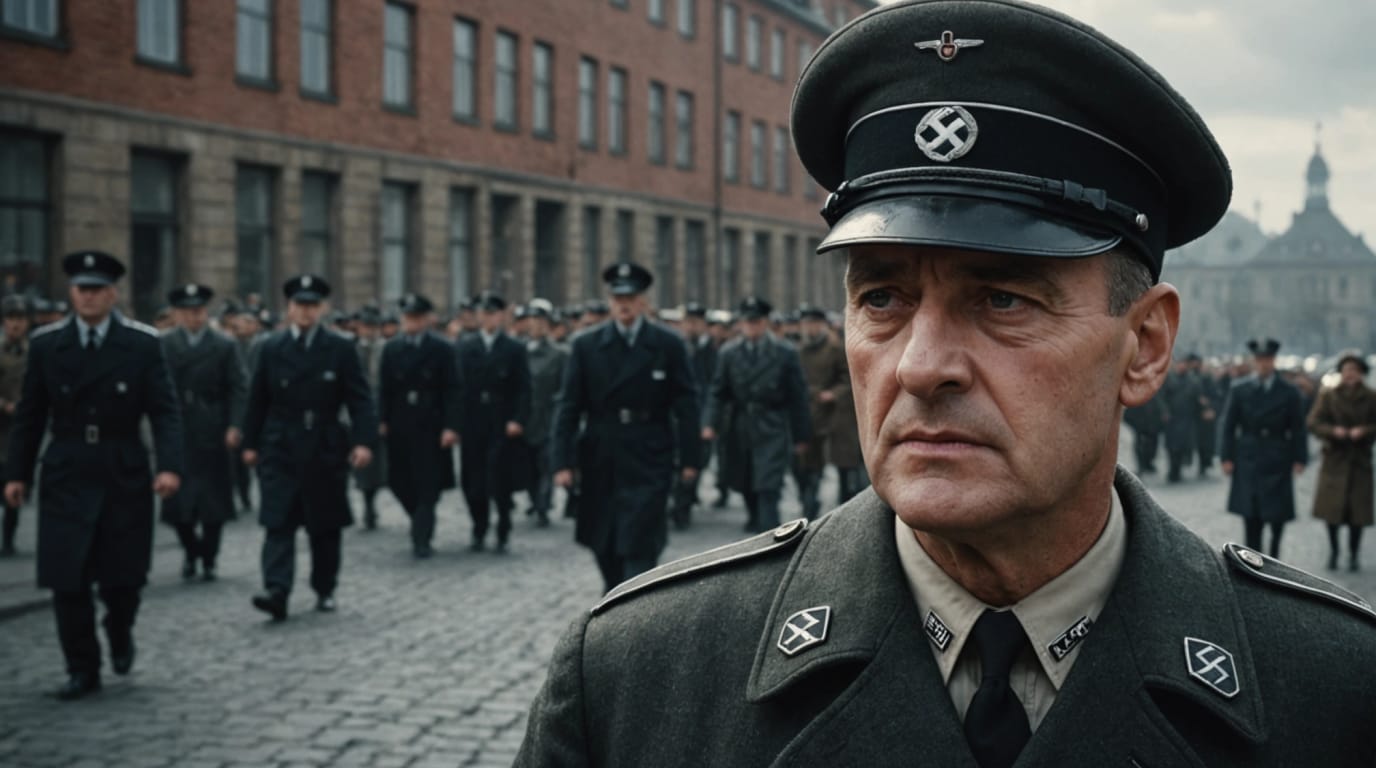
The pursuit of the last living Nazi war criminals intensifies as the remaining suspects reach advanced ages, presenting a race against time to bring them to justice for their roles in the atrocities of World War II. Despite the decades that have passed since the Holocaust, dedicated investigators and organizations remain committed to holding these individuals accountable for their crimes against humanity.
The Shrinking Pool of Suspects
As years pass, the number of potential Nazi war criminals dwindles. Those who remain are well into their 90s or older, making prosecution increasingly challenging due to health concerns and the difficulties of gathering evidence from so long ago. Efraim Zuroff, the director of the Simon Wiesenthal Center, an organization dedicated to tracking down escaped war criminals, believes there are still "at least dozens" of Nazis evading capture. The Simon Wiesenthal Center launched "Operation Last Chance," a final effort to bring as many Nazis to trial as possible before they die of old age.
Challenges in Prosecution
Bringing Nazi war criminals to justice presents numerous obstacles. Many suspects have lived under assumed identities for decades, making them difficult to locate and identify. Evidence from the war years can be fragmented or lost, and witnesses may be deceased or unable to provide reliable testimony. Furthermore, legal proceedings can be lengthy and complex, particularly when dealing with elderly defendants who may be deemed unfit to stand trial.
Even when suspects are brought to trial, convictions are not always guaranteed. Some individuals were low-level officials or guards at concentration camps, and proving their direct involvement in specific atrocities can be challenging. In some cases, courts have handed down symbolic sentences, recognizing the advanced age and frail health of the defendants.
Notable Cases and Investigations
Despite the challenges, several notable cases have demonstrated the ongoing commitment to pursuing Nazi war criminals.
- John Demjanjuk: Extradited from the United States to Germany in 2009, Demjanjuk was convicted in 2011 as an accessory to the murder of 27,900 Jews at the Sobibor killing center.
- Oskar Gröning: In 2015, a German court convicted Oskar Gröning as an accessory to the murder of 300,000 victims at Auschwitz.
- Josef Schütz: In June 2022, at the age of 101, Schütz was handed a five-year sentence after a criminal trial for complicity in war crimes during the Holocaust during World War II, becoming the oldest person tried and convicted for Nazi war crimes in Germany.
These cases highlight the determination to hold even elderly individuals accountable for their roles in the Holocaust.
Canada's Role in the Search
Canada has also been involved in the search for Nazi war criminals who immigrated to the country after the war. Abbee Corb, a criminologist, has been tracking down Nazi suspects in Canada, some of whom are now in their 90s. One case involves a woman accused of murdering Jewish children during the war. While the Canadian government has faced criticism for its past handling of Nazi war crime investigations, efforts are underway to uncover the truth and bring remaining perpetrators to justice.
The Importance of Remembrance and Education
Beyond the pursuit of individual perpetrators, the ongoing search for Nazi war criminals serves as a reminder of the importance of remembrance and education. By holding these individuals accountable, society reaffirms its commitment to preventing future atrocities and ensuring that the lessons of the Holocaust are never forgotten.
The passage of time does not diminish the severity of the crimes committed during the Nazi era. As Efraim Zuroff has stated, "The passage of time in no way diminishes the crimes committed." The pursuit of justice, even decades later, sends a powerful message that those who perpetrate such atrocities will not escape accountability.
Conclusion
The search for the last living Nazi criminals is a race against time, fraught with challenges but driven by a steadfast commitment to justice. As the remaining suspects reach advanced ages, the pursuit of accountability becomes even more urgent. Beyond the individual cases, this ongoing effort serves as a vital reminder of the importance of remembrance, education, and the unwavering pursuit of justice for the victims of the Holocaust. The world must never forget the horrors of the Nazi regime and must remain vigilant against all forms of hatred and intolerance.


