Illuminating the Path: Frank-Walter Steinmeier's Enduring Message of Hope Amidst Global Shadows
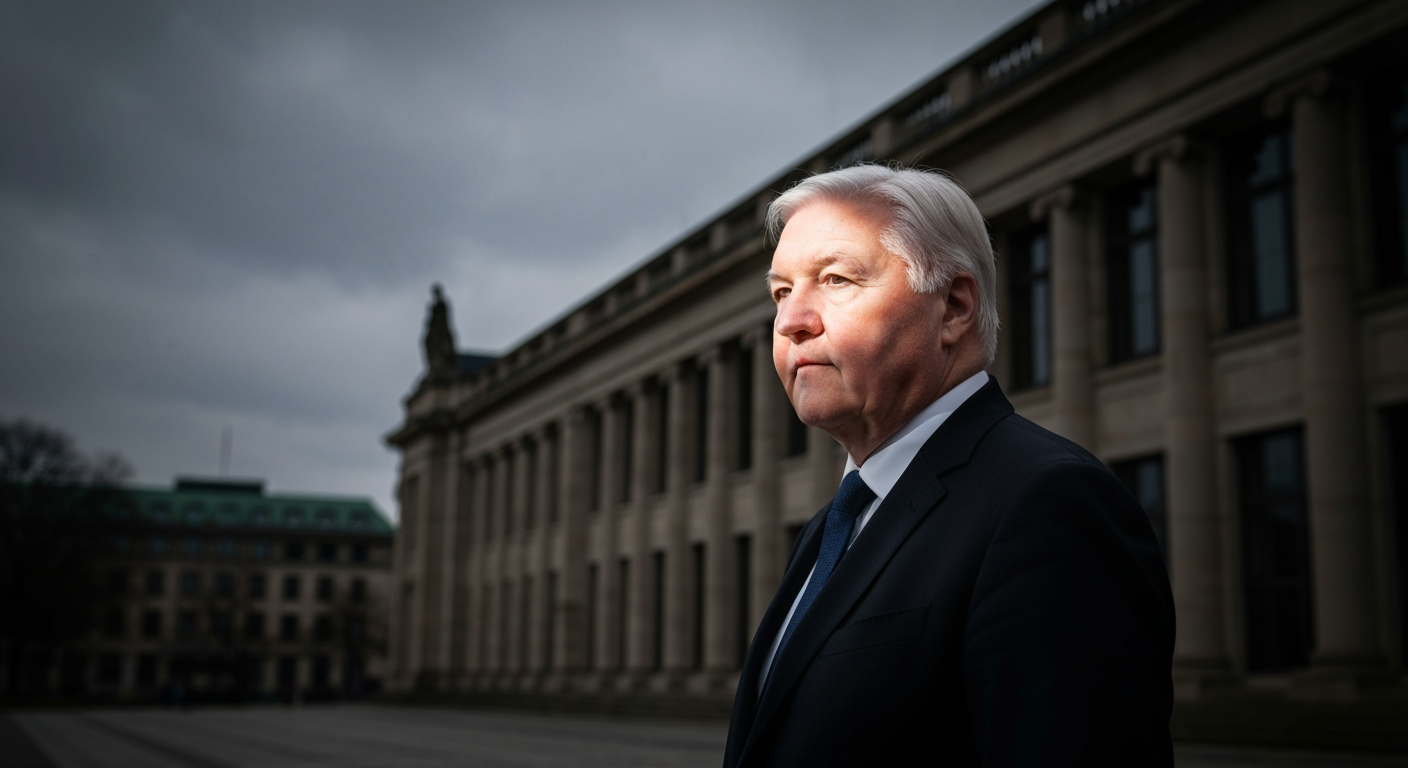
In an increasingly complex and often turbulent world, German President Frank-Walter Steinmeier has consistently offered a message of resilience, emphasizing that "a light is shining in the darkness." This sentiment, woven through his significant addresses, serves as a poignant reminder of hope and the enduring power of democratic values, even when confronted with historical complexities and contemporary crises. Steinmeier's rhetoric frequently navigates the dualities of human experience, drawing on Germany's own past to illuminate a path forward built on remembrance, reconciliation, and active participation.
Germany's Fateful November 9: A Tapestry of Light and Shadow
A cornerstone of Steinmeier's reflections on light and darkness is Germany's profound historical date, November 9. This single day encapsulates both the brilliance of democratic aspirations and the profound depths of human cruelty, a paradox Steinmeier often invokes to underline the fragility and resilience of freedom. For him, November 9 "is a day of contradictions, a day of light and darkness". It marks the proclamation of the Weimar Republic in 1918, a hopeful, albeit ultimately failed, democratic experiment. Simultaneously, it recalls the horrific Kristallnacht pogroms of 1938, a brutal precursor to the Holocaust, where synagogues burned and Jewish businesses were destroyed. Yet, the date also celebrates the fall of the Berlin Wall in 1989, a joyous symbol of unity and the triumph of freedom over oppression.
Steinmeier highlights how this ambivalence challenges Germany to engage in "honest remembrance". In his 2018 speech at the Apartheid Museum in South Africa, he noted that "the light in our German history cannot be separated from the dark chapters that preceded it". This recognition of both the glorious and the ghastly aspects of national history is crucial for understanding Germany's identity and its role in the modern world. He contends that this willingness to confront its past, to acknowledge both its "light and darkness," is not a weakness but a necessary foundation for a responsible future.
Confronting the World's "Dark Side": Calls for Courage and Unity
Beyond historical introspection, President Steinmeier has consistently extended his message to address pressing global and domestic challenges. In his 2023 Christmas address, he acknowledged that "the world has presented its dark side". This candid assessment reflects a recognition of widespread concerns, from international conflicts and humanitarian crises to growing societal divisions and the rise of extremism within nations. He urges citizens to find courage and foster cooperation in the face of these adversities, emphasizing that a strong democracy can only thrive through engaged participation and a collective commitment to improvement.
His appeals often transcend national borders, promoting multilateral cooperation as an essential tool for navigating global complexities. Speaking in South Africa, Steinmeier underscored the necessity of partnerships, stating that "without multilateral cooperation we will not be able to master the major global challenges". This outlook positions Germany not in isolation, but as a proactive player committed to fostering stability and equity on the world stage.
The Enduring Imperative of Democracy and Reconciliation
A central theme in Steinmeier's discourse is the unwavering defense of democracy. His anticipated November 9, 2025, speech is poised to emphasize that "ensuring democracy can assert itself is the task of our times" and that it is "under threat as never before". This recurring warning is a call to vigilance, reminding citizens that democratic freedoms are not static achievements but require continuous safeguarding. He implores people not to lose patience with democracy, arguing that while criticism is vital, seeking refuge in extremism undermines the very capacity to shape society.
Reconciliation also stands as a powerful beacon in Steinmeier's message. He frequently cites Nelson Mandela as a "shining symbol of reconciliation and humanity", drawing parallels between South Africa's journey and Germany's own path towards confronting its past. This commitment to healing divides and building bridges, both domestically and internationally, underscores the belief that even after profound conflict or injustice, a shared future is possible through dialogue and mutual understanding. Steinmeier expressed gratitude for the "miracle of reconciliation" between Germany and Israel, highlighting how remembrance, coupled with action, can defeat hatred and suffering.
Responsibility and Vigilance: A Call to Action
President Steinmeier's message is ultimately a dynamic call to action. He advocates for active citizenship, historical responsibility, and unwavering vigilance as crucial elements in ensuring that the "light" continues to shine. He reminds Germans that their country's historical responsibility "will not expire" and that they are judged on their commitment to it. This involves actively standing against those who deny or diminish historical crimes and those who seek to sow new hatred.
His speeches consistently encourage individuals to recognize their agency. As he noted, "we have dealt with so many crises. We have torn down walls. We have achieved things that we all thought impossible. This time, too, our fate is in our own hands". This emphasis on collective efficacy and the power of unified action reinforces the idea that individuals, through their choices and participation, can actively contribute to a brighter future. By promoting a "softly spoken patriotism," rooted in a full understanding of Germany's past and a commitment to its democratic values, Steinmeier seeks to inspire a sense of collective purpose.
Conclusion: Sustaining the Light in Turbulent Times
Frank-Walter Steinmeier's consistent articulation of "a light shining in the darkness" is more than mere rhetoric; it is a profound philosophical underpinning for navigating an era of profound uncertainty. Through his speeches, he skillfully interweaves Germany's tumultuous history with contemporary global challenges, demonstrating that lessons from the past are vital for shaping the future. By urging remembrance without being held captive by it, fostering democratic resilience, and advocating for robust international cooperation, Steinmeier offers a vision where hope, reconciliation, and active engagement can collectively overcome adversity. His message serves as a powerful reminder that even amidst the deepest shadows, the human capacity for progress and the persistent pursuit of shared values can indeed illuminate a path forward.
Related Articles

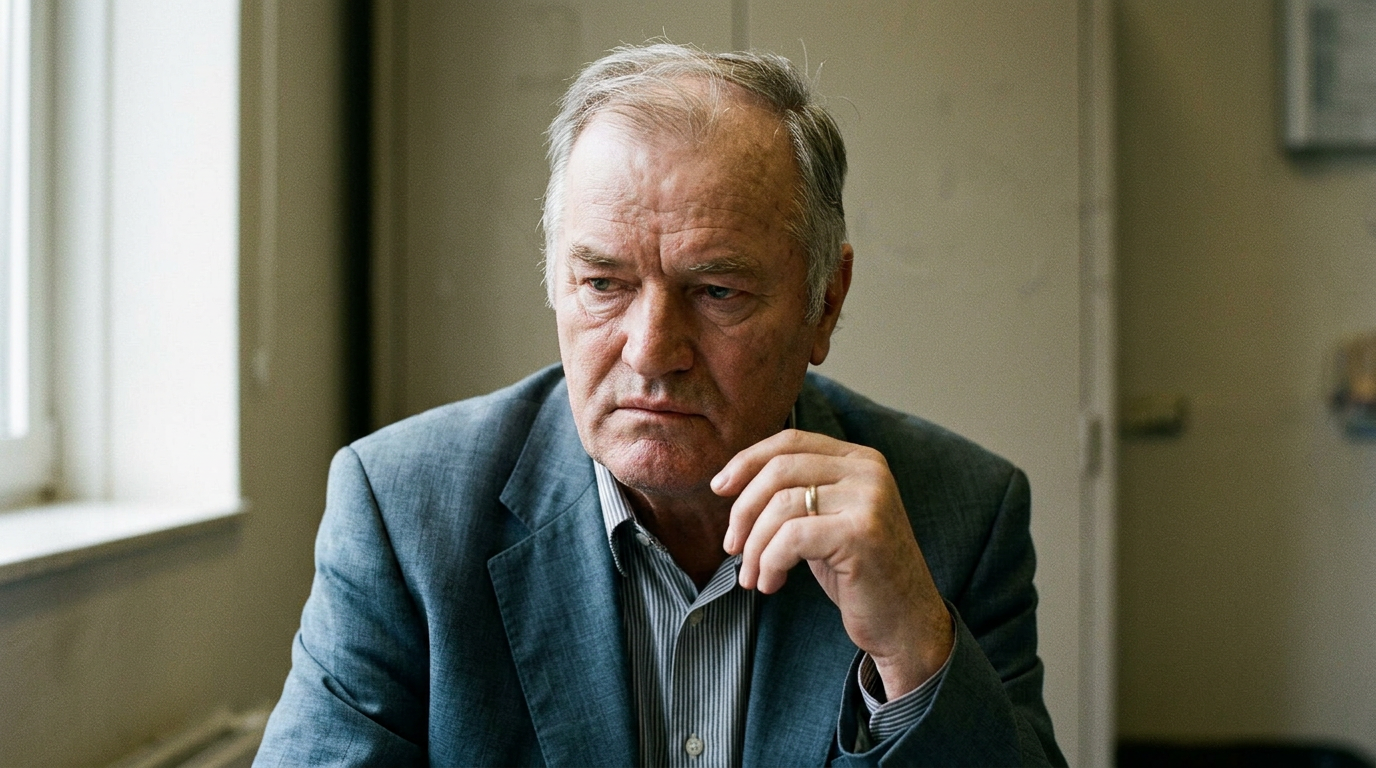
Ratko Mladić, "Butcher of Bosnia" and Convicted War Criminal, Dies at 84
THE HAGUE, Netherlands – Ratko Mladić, the former Bosnian Serb military commander known as the "Butcher of Bosnia" and convicted of genocide, war crimes, and crimes against humanity, has died at the age of 84. Serbian...

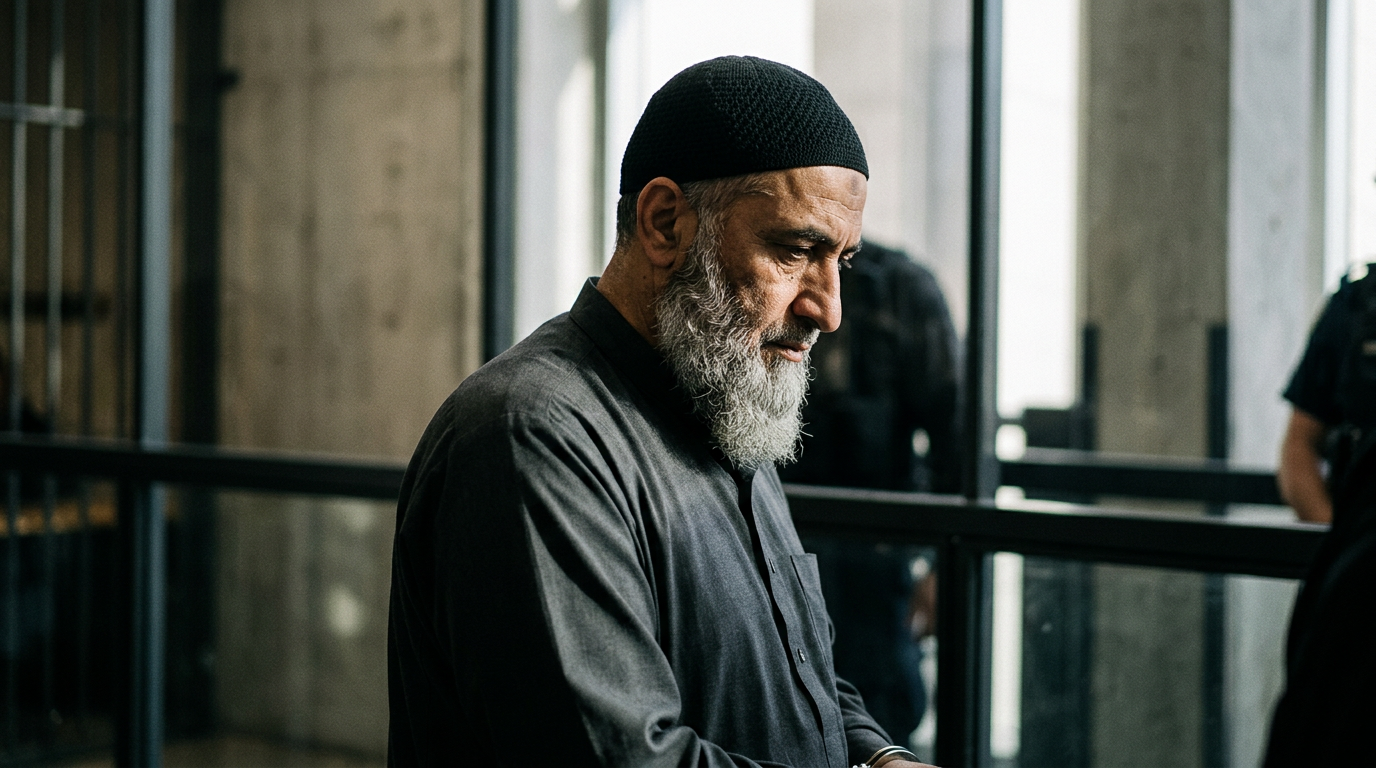
Long-Awaited 9/11 Mastermind Trial Set for 2028, Decades After Attacks
GUANTANAMO BAY, Cuba – Nearly a quarter-century after the devastating terror attacks of September 11, 2001, a military judge has finally set a trial date for Khalid Sheikh Mohammed, the alleged mastermind behind the...