India Dismisses Dutch Concerns on Minority Rights and Press Freedom During Strategic Partnership Talks
THE HAGUE – India has emphatically rejected concerns voiced by the Netherlands regarding minority rights and press freedom, labeling the observations as a "lack of understanding" of India's robust democratic framework and diverse societal fabric. The diplomatic exchange unfolded during Indian Prime Minister Narendra Modi's official visit to the Netherlands, a trip that otherwise saw both nations elevating their bilateral relations to a strategic partnership focused on key sectors such as semiconductors, water management, and trade.
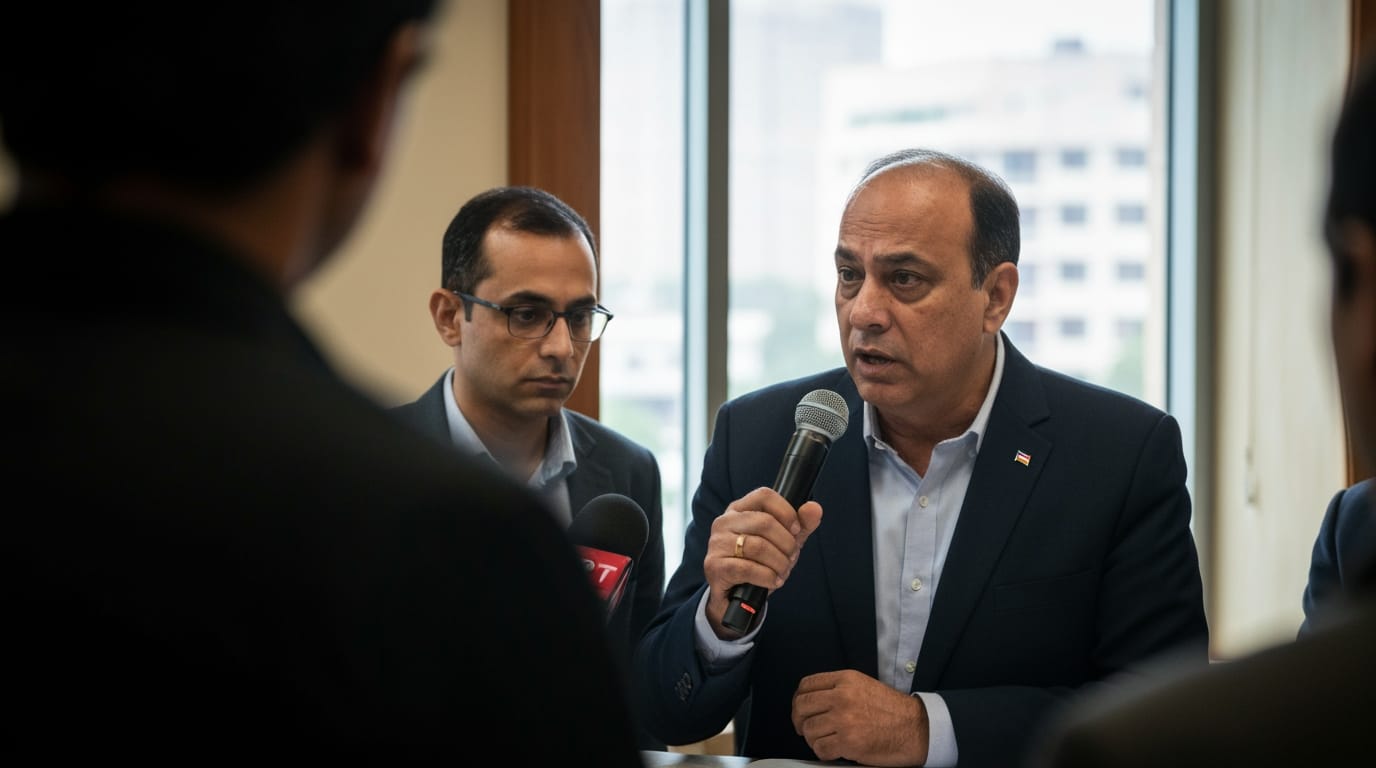
The pointed rebuttal came from Sibi George, Secretary (West) in India's Ministry of External Affairs, during a media briefing in The Hague on May 17, 2026. George's statements followed reports in the Dutch media indicating that Netherlands Prime Minister Rob Jetten had expressed worries about the situation of minority communities and media independence in India. While the concerns were reportedly shared with Dutch journalists prior to the bilateral meeting, Indian sources indicated that these issues were not formally raised during the direct discussions between Prime Minister Modi and Prime Minister Jetten.
Dutch Premier's Reported Reservations
According to reports in Dutch newspapers, including De Volkskrant, Prime Minister Jetten conveyed to reporters that "the Dutch government, too, has concerns regarding developments in India." His comments specifically highlighted anxieties "not just about press freedom…but also about the rights of minorities, which are under severe pressure there." Jetten reportedly added that such issues are "regularly raised" with the Indian government. These concerns are not entirely new; previous calls from Dutch parliamentarians and organizations like the India Committee of the Netherlands in 2017 urged then-Prime Minister Rutte to address human rights violations with Prime Minister Modi, citing increased marginalization of minority groups such as Dalits, Christians, and Muslims under the "Hindu-nationalist government." The focus of the recent concerns extended to Muslims and other smaller communities.
India's Forceful Rejection and Defense of Diversity
In response to questions from Dutch journalists regarding these reported concerns, Secretary George articulated India's position, asserting that the criticisms stemmed from an "inadequate knowledge" of the country's intricate social and democratic framework. He portrayed India as a "vibrant democracy" where fundamental freedoms, including that of the press, are guaranteed.
George underscored India's profound diversity, spanning religious, linguistic, and culinary traditions, as evidence of its inclusive character. He highlighted that four major religions—Hinduism, Buddhism, Jainism, and Sikhism—originated in India and continue to flourish within its borders. Furthermore, he noted that all major world religions have found a home and thrived in India over centuries. As a specific example, George cited the Jewish community, which has coexisted in India for more than 2,500 years "without persecution," an observation he posited as unique globally. He also mentioned the early arrival and significant growth of Christianity in India.
Challenging the premise of eroding minority rights, George presented demographic figures, stating that India's minority population has grown from 11% at the time of independence to over 20% currently. He stressed that this growth exemplifies how "every minority thrives" in India. The diplomat also affirmed that India has achieved significant economic progress without compromising on its democratic principles, asserting that poverty reduction has been pursued through democratic processes rather than violence. He invited the inquiring journalist to visit India and personally witness its vibrant democracy.
Strategic Partnership Amidst Diplomatic Nuance
Despite the public exchange over human rights and press freedom, the overarching purpose of Prime Minister Modi's visit was to deepen the strategic relationship between India and the Netherlands. The two nations successfully elevated their ties, signing 17 pacts and adopting a comprehensive five-year roadmap for cooperation spanning 2026-2030. Key areas of collaboration include semiconductors, critical minerals, migration, water management, renewable energy, defense, and technology.
In a joint statement, both leaders reaffirmed their commitment to shared values such as democracy, human rights, international peace, and a rules-based international order. Prime Minister Jetten also expressed support for India's bid for permanent membership in a reformed and expanded UN Security Council. The discussions also covered global issues like the West Asia conflict and the importance of freedom of navigation. This dual track of robust strategic engagement alongside frank, albeit reportedly indirect, diplomatic discussion on sensitive internal matters underscores the complex nature of contemporary international relations.
Broader Implications and India's Stance
This latest diplomatic episode reflects India's consistent approach to external scrutiny of its internal affairs. The Indian government has frequently pushed back against international criticism concerning its human rights record and press freedom, often characterizing such observations as uninformed or based on a Western-centric viewpoint. India's foreign policy historically emphasizes principles of non-interference in internal affairs and the maintenance of strategic autonomy, aiming to shape its domestic and international policies based on national interest rather than external pressure.
While the Netherlands has a tradition of supporting human rights globally and actively supports community-based human rights projects in India focusing on gender equality, LGBTI rights, freedom of religion, and expression, the recent exchange highlights a divergence in perspectives on the evaluation of India's internal conditions. India's assertion of its democratic credentials and civilizational history serves as a cornerstone of its defense against such critiques, advocating for a deeper understanding of its unique pluralistic context. This dynamic suggests that while economic and strategic partnerships deepen, dialogues around human rights and governance practices will likely remain a nuanced aspect of India's engagement with Western democracies.


