India Mandates Strict AI Content Rules for Social Media, Drastically Cuts Takedown Times
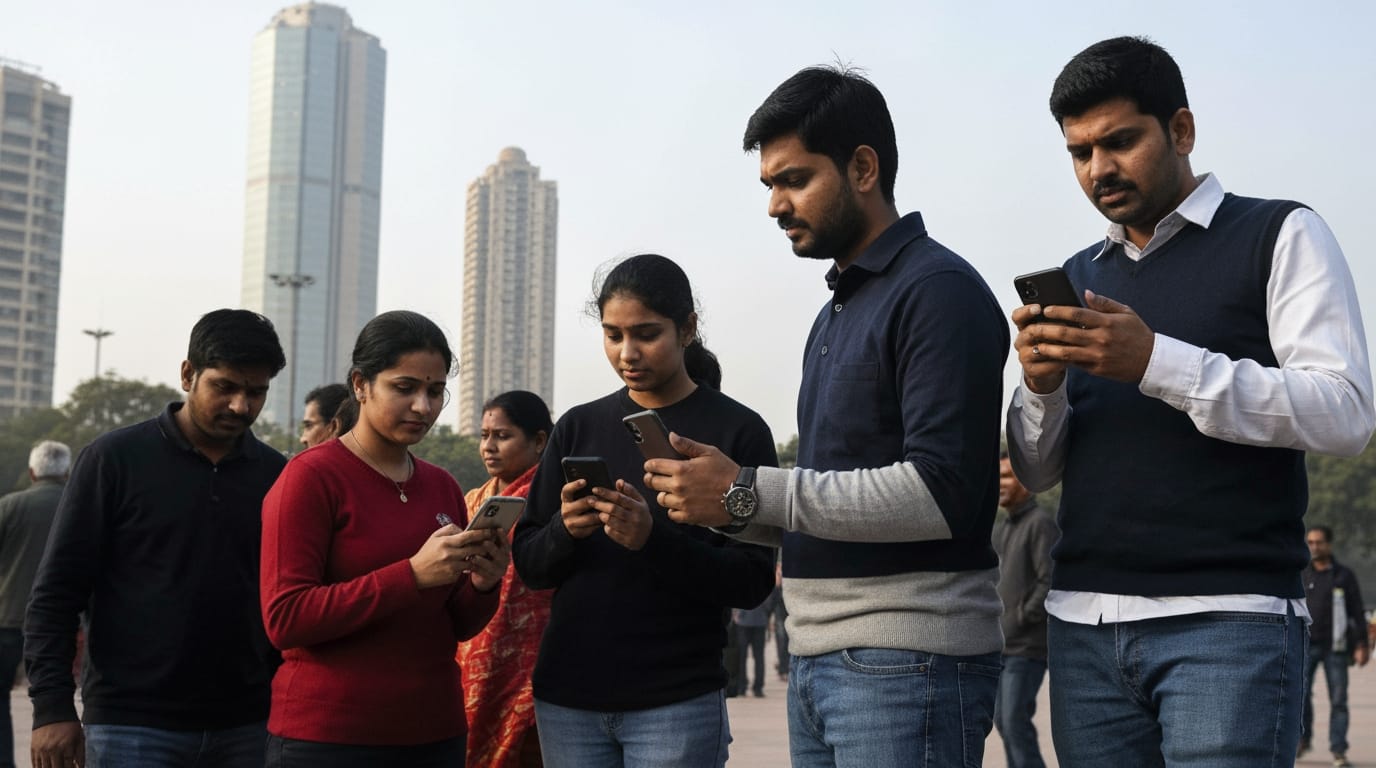
New Delhi, India – In a significant move to combat the proliferation of synthetic media and deepfakes, the Indian government has enacted stringent new regulations for Artificial Intelligence (AI)-generated content across social media platforms. The amendments to the Information Technology (Intermediary Guidelines and Digital Media Ethics Code) Rules, 2021, notified on February 10, 2026, and set to take effect on February 20, will impose mandatory labeling requirements for AI-created content and dramatically reduce the timeframe for platforms to remove unlawful material. This overhaul positions India at the forefront of global efforts to regulate AI in the digital sphere, aiming to safeguard public trust and prevent misinformation on platforms serving nearly a billion internet users.
A New Era of Transparency: Mandatory Labeling for AI Content
Under the newly amended rules, social media platforms and other intermediaries will be legally obligated to ensure that all AI-generated or modified content, encompassing audio, visual, and audio-visual formats, is clearly and prominently labeled. This mandate applies to any synthetically created information that appears authentic and could be perceived as indistinguishable from real individuals or events. The government has formally defined "synthetically generated information" to include content artificially created, generated, modified, or altered using computer resources in a manner that makes it appear real or true. This definition is critical, as it extends intermediary due-diligence, takedown, and enforcement obligations to AI-generated content.
Platforms are now required to seek disclosures from users regarding the AI origin of their uploaded content. If users fail to disclose, platforms must either proactively label the content or remove it, particularly in cases of non-consensual deepfakes. Furthermore, where technically feasible, platforms are instructed to embed permanent metadata or provenance identifiers into AI-generated material, ensuring traceability and preventing the removal or suppression of these labels. However, the regulations specify exclusions for routine editing activities such as color correction, noise reduction, compression, or translation, as long as these do not distort the original meaning or intent.
Drastically Reduced Takedown Deadlines to Combat Harm
Perhaps the most impactful change introduced by the amendments is the significant reduction in the timeframe for social media platforms to act on flagged content. Previously, platforms were afforded up to 36 hours to comply with takedown orders; however, this window has been sharply curtailed. Under the new rules, content deemed illegal by a court order or an "appropriate government" authority must be removed within three hours. For highly sensitive material, such as non-consensual deepfakes and content depicting nudity, the deadline is even more aggressive, set at a mere two hours.
This expedited timeline underscores the government's urgency in addressing the rapid spread of harmful and deceptive AI-generated content. Platforms like Facebook, Instagram, X (formerly Twitter), and YouTube are specifically targeted by these measures, which aim to compel them to deploy robust automated tools to detect and prevent the dissemination of illegal content. This includes content related to child sexual abuse material, sexually exploitative imagery, deceptive or fraudulent information, and impersonation. Failure to comply with these accelerated takedown mandates could result in platforms losing their "safe harbor" protection under Section 79 of the IT Act, potentially exposing them to direct legal liabilities.
The Driving Force: Safeguarding Trust in a Digital Age
The government's decision to tighten these regulations stems from a growing global concern over the misuse of AI technologies, particularly the rise of sophisticated deepfakes and AI-amplified misinformation. India's vast digital landscape, home to nearly a billion internet users, has seen an increase in fabricated imagery and videos targeting public figures, politicians, and celebrities, blurring the lines between reality and deception. These incidents have highlighted the potential for AI-generated content to devastate reputations, distort political discourse, and erode public trust in digital information.
The amendments are a proactive step to curb these threats before they become more widespread and entrenched. The Indian government emphasizes that AI-generated content used for unlawful activities will now be treated on par with other forms of illegal content, reinforcing the principle that technological advancements do not exempt users or platforms from accountability. Furthermore, platforms are now required to warn users, at least once every three months, about the consequences of misusing AI content and the penalties for unlawful activity.
Global Implications and the Road Ahead for Platforms
These new rules are set to reshape how major social media platforms operate within India, compelling them to invest heavily in AI detection technologies, content moderation infrastructure, and user education. The logistical challenge of meeting the compressed two-to-three-hour takedown windows for millions of users across diverse languages and contexts will be substantial for tech giants. Critics have raised concerns that such aggressive timelines and broad definitions could unintentionally stifle free expression or burden legitimate content creation, including satirical or artistic uses of AI. Balancing the imperatives of safety and freedom, and innovation with protection, remains a complex policy challenge.
However, India's assertive stance could also set a global precedent for AI governance. The country's "Techno-Legal Framework" for AI governance, outlined in a January 2026 white paper, emphasizes embedding legal safeguards and technical controls into the design and deployment of AI systems. This approach, focusing on "Responsible AI by Design," seeks to ensure that governance is not an afterthought but an integral part of AI development and deployment.
Conclusion
India's updated AI rules represent a decisive step towards creating a more accountable and transparent digital environment. By mandating clear labeling, embedding traceability, and drastically shortening content removal timelines, the government aims to mitigate the growing risks associated with AI-generated misinformation and deepfakes. While posing significant operational challenges for social media platforms, this robust regulatory framework underscores India's commitment to fostering a safe online experience for its vast digital population. The effectiveness of these rules, which come into force on February 20, will be closely watched globally, potentially influencing how other nations address the complex ethical and societal implications of artificial intelligence in the years to come.


