India's Aviation Boom Hits Severe Turbulence Amid Escalating Middle East Tensions
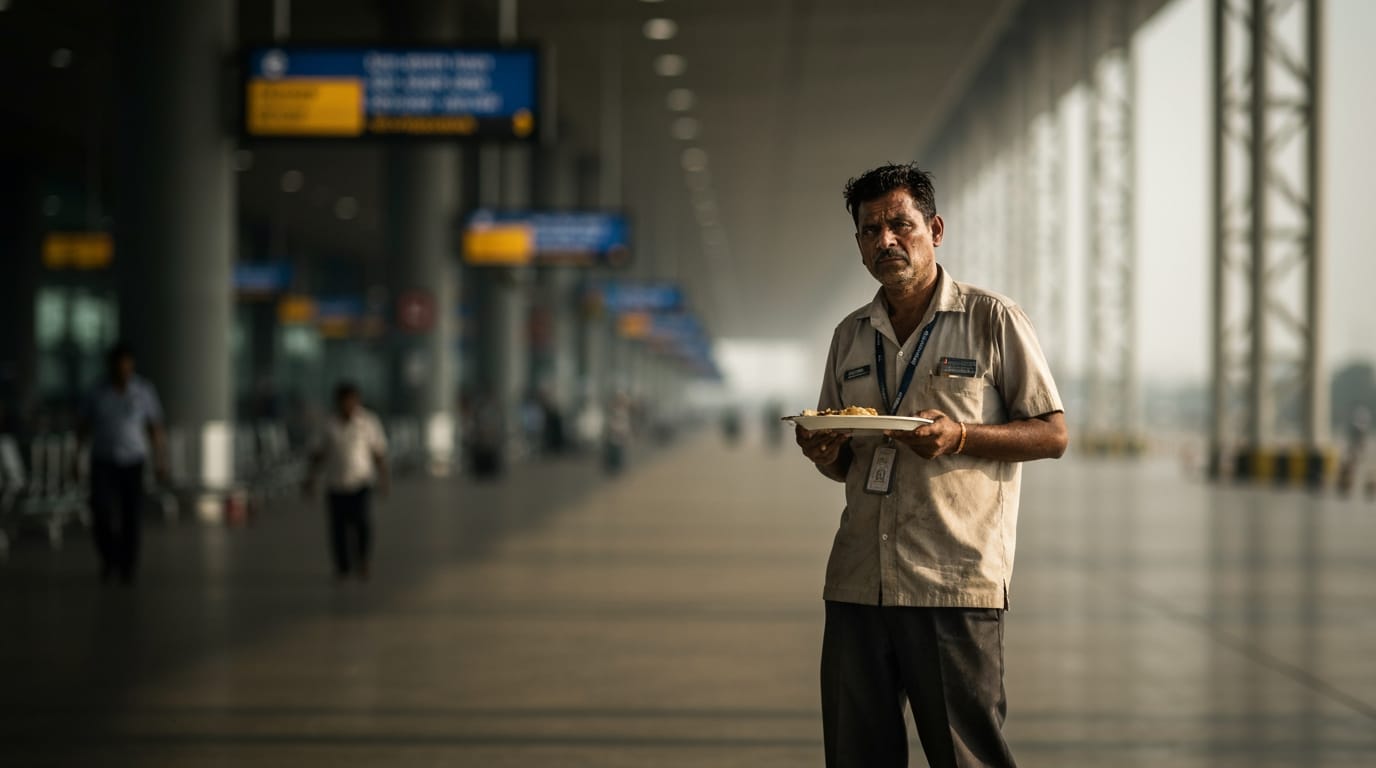
India's burgeoning aviation sector, a critical driver of economic growth and connectivity, is experiencing significant turbulence as escalating geopolitical tensions in the Middle East introduce a complex web of operational and financial challenges. What was once hailed as the world's fastest-growing domestic air traffic market is now grappling with soaring fuel costs, prolonged flight routes, and considerable financial losses, threatening to slow its ambitious expansion trajectory. The conflict, particularly involving Iran, has created a formidable "double airspace blockade" for Indian carriers, necessitating costly detours and straining an industry already navigating its own set of internal challenges.
Soaring Ambitions Meet Geopolitical Reality
For years, India's aviation market has been on an upward flight path, becoming the third-largest domestic aviation market globally and the fastest-growing worldwide, with a 6.9% increase in domestic air traffic in 2024 alone. The sector contributes an estimated $54 billion to India's economy and supports 7.7 million jobs. Projections indicated continued robust growth, with domestic passenger traffic expected to reach 175-181 million in FY26. This expansion has been fueled by rising disposable incomes, urbanization, and substantial government investments in infrastructure, growing the airport network from 74 in 2014 to 162 by September 2025. Airlines have significantly increased scheduled flights and seat capacity, making air travel more accessible and affordable. However, even before the current crisis, the industry faced headwinds, including high operational costs due to Aviation Turbine Fuel (ATF) taxes, infrastructure deficiencies, high lease costs, pilot shortages, and persistent supply chain issues leading to engine groundings. These pre-existing vulnerabilities have magnified the impact of the latest geopolitical instability.
The Geopolitical Vortex: Airspace Closures and Costly Rerouting
The eruption of heightened tensions in the Middle East has profoundly disrupted global air travel, with Indian carriers among the most severely impacted. Airspace closures across crucial regions, including Iran, Iraq, the UAE, Qatar, Bahrain, Israel, Jordan, Kuwait, and Lebanon, have forced airlines to undertake extensive rerouting, particularly for flights connecting India to Europe and North America. This situation has been exacerbated for Indian airlines by prior restrictions on Pakistani airspace, effectively creating a "double airspace blockade" that leaves limited viable direct routes to the West.
Consequently, flights that once traversed these now-restricted air corridors are compelled to take longer, circuitous paths, often diverting south over the Arabian Sea, Oman, Saudi Arabia, and Egypt. This rerouting adds significant hours to journey times; for instance, a non-stop Delhi to London flight, previously around eight hours, now stretches to over 12 hours. The impact is even more pronounced on ultra-long-haul routes, such as Mumbai to New York, which has seen travel times extend from a 14-hour non-stop journey to nearly 21 hours, often requiring an additional technical stop. These operational changes translate directly into increased fuel consumption, higher crew expenses, and greater operational complexity, stressing airline schedules and efficiency.
Economic Headwinds: Soaring Fuel Costs and Financial Strain
The financial repercussions of the Middle East conflict are substantial, primarily driven by a sharp surge in jet fuel prices. Aviation Turbine Fuel (ATF) accounts for a significant portion—typically 30-40%—of an airline's operating expenses. Since February, global jet fuel prices have nearly doubled, soaring from approximately $99.40 per barrel to $195.19 by late March, driven by rising crude oil prices and increased refining margins. This dramatic increase has decimated profit margins, with industry estimates suggesting Indian airlines are losing between ₹150-200 crore daily due to these factors and operational disruptions. The overall loss to India's aviation industry due to rising crude oil prices and airspace closures is estimated at around ₹2,500 crore.
In response, major Indian carriers like Air India and IndiGo have implemented fuel surcharges on both domestic and international tickets to partially offset the spiraling costs. While the Indian government has capped domestic ATF price increases at 25%, international routes bear the full brunt of global price surges. Airlines are also grappling with reduced capacity utilization, as many flights to the Gulf region are either cancelled or operating with fewer passengers, leading to underutilized aircraft and revenue pressure. The cumulative effect points to a combined loss of nearly ₹18,000 crore for the Indian aviation industry in FY26. Indian airlines have reportedly sought government intervention, requesting relief measures such as reductions in excise duty or GST on ATF, and the government is considering an emergency credit facility of ₹4,000 crore for affected carriers.
Beyond Passengers: Impact on Cargo and Global Supply Chains
The turbulence extends beyond passenger travel to the vital air cargo sector, which plays a crucial role in global supply chains. The Middle East conflict has forced cargo carriers to bypass traditional Gulf hubs, leading to significant disruptions and increased costs. Global air cargo rates surged by 21% from a year earlier to $3.1 per kilogram by early April, with rates from the Middle East to Europe and the US increasing by as much as 87% and 71% year-on-year, respectively. Air freight rates from India to the Middle East initially witnessed a dramatic 250% jump from pre-crisis levels, although they are beginning to moderate as some capacity returns. The rerouting and longer flight times for cargo aircraft also contribute to higher fuel consumption and operational complexities, further exacerbating costs. This disruption impacts trade, especially for perishable goods and time-sensitive shipments, posing challenges for exporters and potentially leading to higher consumer prices.
Navigating a Turbulent Future
India's aviation sector finds itself at a critical juncture, balancing the promise of its inherent growth potential with the volatile realities of global geopolitics. The Iran conflict, layered upon existing domestic challenges, presents a formidable test of resilience. While government support and airlines' strategic adjustments, including fuel surcharges and flight optimization, aim to mitigate immediate impacts, the long-term outlook remains contingent on the stability of the Middle East. Prolonged instability could lead to structurally higher costs, impacting both affordability for passengers and profitability for airlines. The industry's ability to adapt to these sustained challenges through diversification, operational efficiencies, and sustained government dialogue will be crucial in determining whether India's aviation boom can successfully navigate this period of unprecedented turbulence and continue its upward trajectory.


