India's Electoral Kaleidoscope: Assam, Keralam, and Puducherry Head to Polls Amidst High Stakes
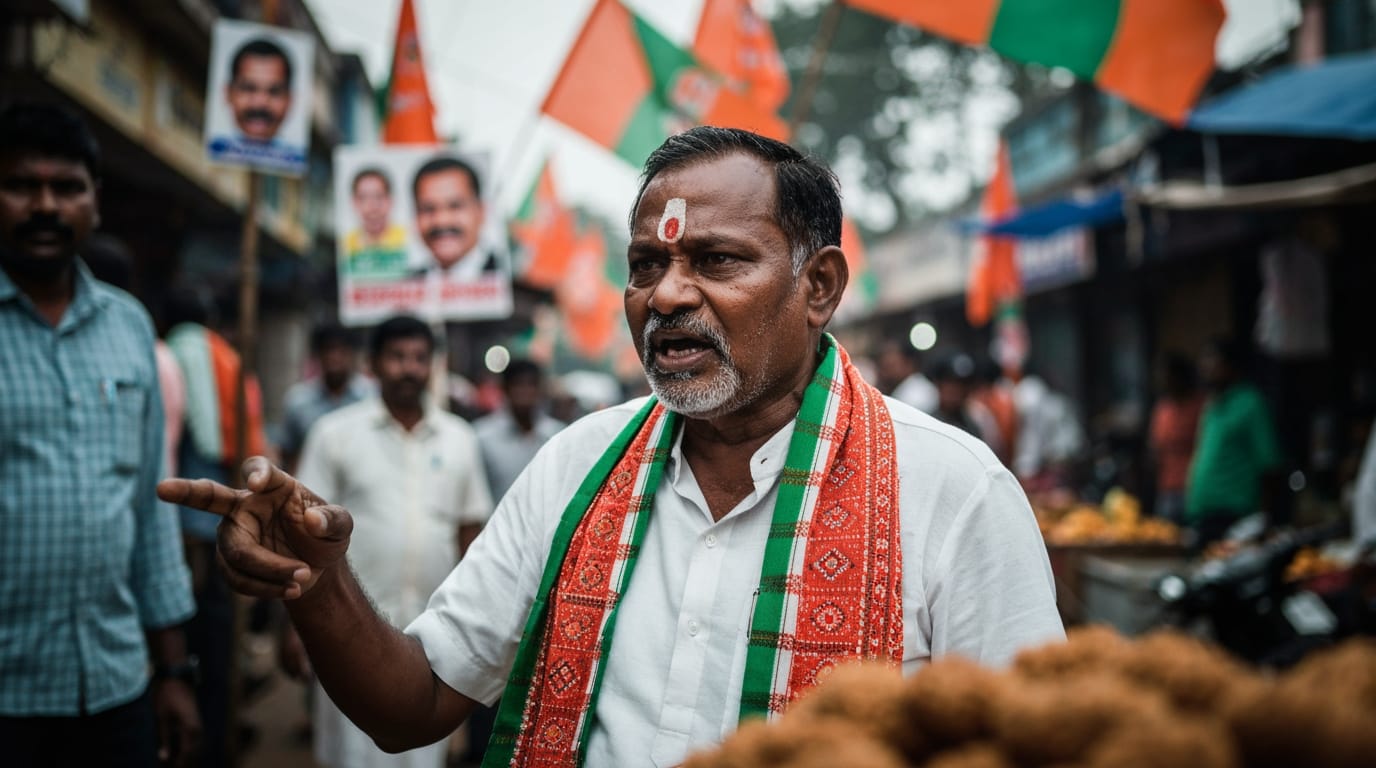
As India approaches a pivotal electoral moment, the states of Assam and Keralam, alongside the Union Territory of Puducherry, are poised for crucial assembly elections scheduled for a single phase on April 9, 2026. This democratic exercise, encompassing 296 assembly seats across these three regions, marks a significant mid-term assessment of political currents and will undoubtedly shape regional and national political trajectories. Political parties have concluded intense campaigns, with national leaders making last-minute appeals, underscoring the high stakes involved in these contests. The results, slated for declaration on May 4, will reveal whether incumbent governments will secure renewed mandates or if a wave of change is set to sweep through these diverse electorates.
High Stakes in Key Regions: A Snapshot of India's Democratic Vigor
The Election Commission of India (ECI) has affirmed its readiness to conduct free, fair, and peaceful polls, deploying extensive measures to ensure transparency and accessibility. These include the webcasting of polling booths, enhanced facilities for senior citizens and persons with disabilities, and the integration of electoral services through the ECINET mobile application. A significant deployment of approximately 25 lakh officials is anticipated across the five poll-bound states, alongside comprehensive security arrangements and monitoring mechanisms. These elections are more than just local contests; they serve as critical indicators of voter sentiment ahead of future national elections, testing the popularity of regional and national parties alike. The 126 seats in Assam, 140 in Keralam, and 30 in Puducherry collectively represent a significant political battleground where local issues often intertwine with broader national narratives. The campaigning period witnessed a flurry of activities, with prominent figures from across the political spectrum, including Prime Minister Narendra Modi, Home Minister Amit Shah, and Congress leaders Rahul Gandhi and Priyanka Gandhi Vadra, engaging in robust rallies and public addresses.
Assam's Pivotal Battle for a Third Term
In Assam, the Bharatiya Janata Party (BJP)-led National Democratic Alliance (NDA) is vigorously campaigning for an unprecedented third consecutive term, a feat that would solidify its dominance in the northeastern state. The incumbent Chief Minister, Himanta Biswa Sarma, is spearheading the BJP's efforts, aiming for a "hat-trick" in the state's political leadership. Their primary challenger is the Congress-led six-party alliance, known as the Mahajot, which seeks to regain its lost ground in a state that was once a stronghold for the Indian National Congress.
The 2021 assembly elections provide crucial context for the current contest. In that election, the BJP-led NDA successfully retained power, securing 75 out of 126 seats. The BJP itself secured 60 seats, while its allies, the Asom Gana Parishad (AGP) and the United People's Party Liberal (UPPL), also contributed significantly to the alliance's victory. The Mahajot, comprising the Indian National Congress and the All India United Democratic Front (AIUDF), managed to secure 50 seats. Key issues dominating the 2026 electoral discourse in Assam include concerns over illegal migration, the implications of the Citizenship Amendment Act (CAA), the preservation of local identity, and promises of development. The welfare of tea garden workers and broader issues of governance, employment, and rising prices are also significant considerations for voters. After a decade in power, the BJP-led alliance faces the inherent risk of anti-incumbency, presenting a window of opportunity for the opposition. Campaign analysis from 2021 indicated a geographical and demographic split, with urban and Hindu-majority areas largely favoring the BJP, while rural and minority-dominated constituencies leaned towards the Congress and AIUDF. The shifting political landscape in the Bodoland Territorial Region, where the UPPL has emerged as a significant force, also highlights the dynamic nature of Assam's electoral battles.
Keralam's Electoral Test of Continuity and Change
In the southern state of Keralam, recently rechristened in a nod to its rich cultural heritage, the upcoming election is shaping up to be a deeply competitive contest. The incumbent Left Democratic Front (LDF), led by Chief Minister Pinarayi Vijayan, is seeking an unprecedented third consecutive term, banking on the perceived success of its welfare schemes and governance record. This ambition is particularly significant given Keralam's historical tendency to alternate power between the LDF and the Congress-led United Democratic Front (UDF) every five years. The LDF made history in 2021 by breaking this four-decade-long jinx, securing a decisive victory with 99 out of 140 seats and retaining power.
The Congress-led UDF, for its part, is hopeful of a return to power, campaigning on promises of change and highlighting what it perceives as anti-incumbency sentiments against the current government, focusing on issues of governance, state finances, and accountability. The National Democratic Alliance (NDA) is also making a determined effort to establish itself as a viable third force in the state, aiming to disrupt Keralam's traditionally bipolar political framework, despite failing to secure any seats in the 2021 elections. Campaigning saw the involvement of top national Congress leaders like Rahul Gandhi and Priyanka Gandhi Vadra, signaling the strategic importance of Keralam in the national opposition's blueprint. The election will be a test of whether the LDF's appeal can overcome potential voter fatigue or if the UDF's narrative of change will resonate more strongly with the electorate.
Puducherry's Quest for Stability Amidst Flux
The Union Territory of Puducherry, with its 30-seat assembly, presents another intriguing electoral landscape. The contest here is primarily between the ruling NDA, an alliance of the All India N.R. Congress (AINRC) and the BJP, and the opposition Congress-DMK alliance. The political scene in Puducherry has been marked by recent instability, most notably the collapse of the Congress government in 2021 due to defections, paving the way for the NDA to form the government with N. Rangaswamy of the AINRC taking office as Chief Minister.
The 2021 election results saw the NDA secure a simple majority, with AINRC winning 10 seats and the BJP making significant gains with 6 seats. The Congress and DMK secured 2 and 6 seats respectively. This history of fluid political loyalties and alliance realignments means that local political equations play a crucial role in determining election outcomes. Key issues for the voters in Puducherry include urban infrastructure development, promoting tourism, ensuring fisheries welfare, addressing housing concerns, and tackling traffic congestion. Adding a new dimension to the contest is the entry of actor Vijay's Tamilaga Vettri Kazhagam (TVK), which could influence voter dynamics and further fragment the political landscape. With an electorate of over 1 million, the outcome in Puducherry will reflect the voters' desire for stability and effective governance in the Union Territory.
Conclusion: Beyond the Ballot Box
The simultaneous assembly elections in Assam, Keralam, and Puducherry on April 9 represent a critical juncture for India's political fabric. These elections are not merely about forming regional governments; they are a gauge of national party strength, regional aspirations, and the efficacy of governance models. For the BJP, maintaining its hold in Assam would reinforce its regional dominance, while making inroads in Keralam remains a strategic national goal. For the Congress and its allies, these elections offer an opportunity to revitalize their presence and demonstrate their capacity to challenge the ruling party. The diverse array of issues, from identity politics and welfare schemes to development and stability, underscores the complex tapestry of Indian democracy. As the nation awaits the counting of votes on May 4, the results will provide valuable insights into the evolving political preferences of the Indian electorate and set the stage for future political contests. The outcomes will undoubtedly influence policy directions, alliance formations, and the broader political narrative in India for the years to come.


