India's Paradox: The 'Silent' Roar of a Digitally Native Generation
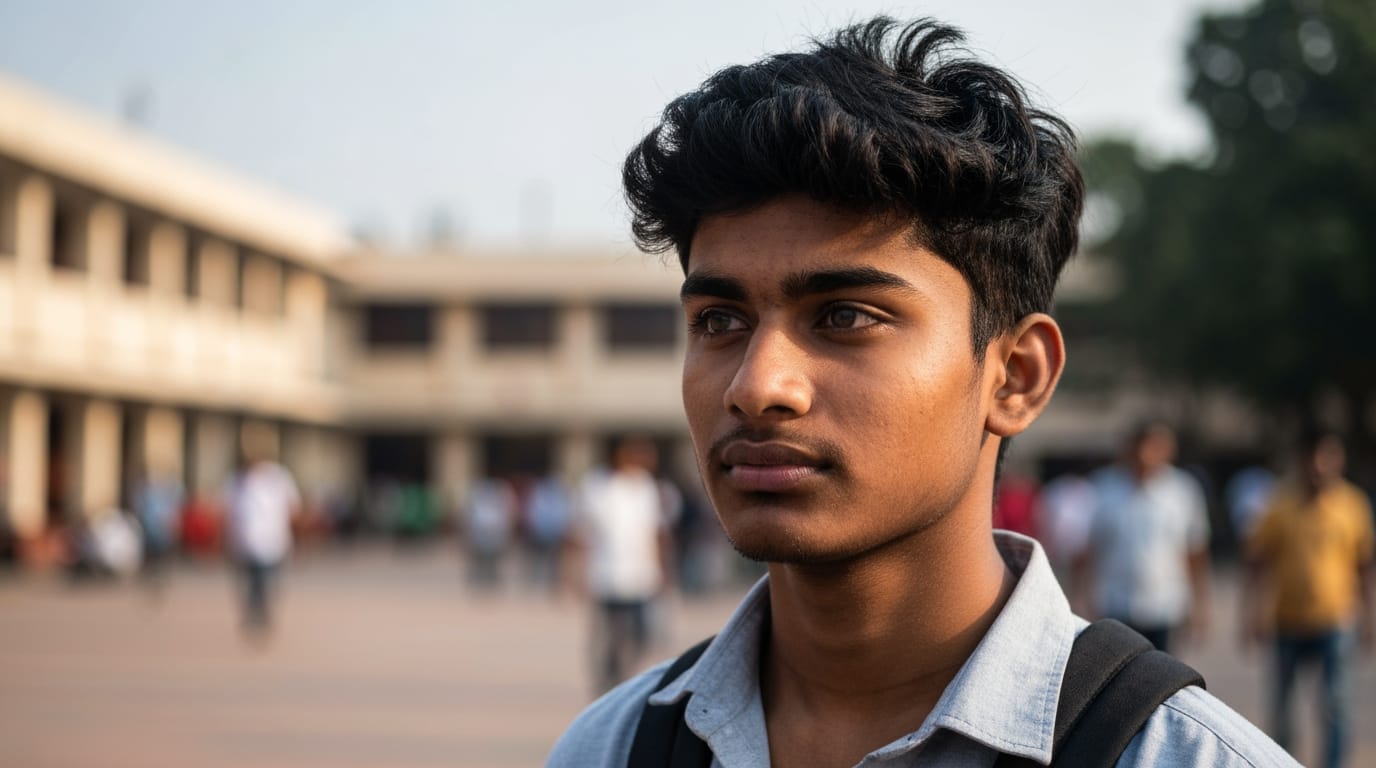
India's Generation Z, a formidable demographic numbering 370 million, stands at a fascinating crossroads of immense potential and perceived political quiescence. This cohort, born into a hyper-connected world, is actively reshaping cultural norms, from fashion trends to workplace expectations, yet their engagement with traditional politics often appears muted. While pundits and politicians grapple with understanding this generation's seemingly enigmatic stance, a deeper examination reveals that their "silence" is not a lack of interest, but rather a complex, evolving form of political participation shaped by digital realities, economic anxieties, and a distinct set of priorities. This generation, fluent in the language of the internet, is navigating a political landscape that often feels antiquated, choosing instead to channel their energies into issues that resonate directly with their lived experiences, sometimes in ways that challenge conventional definitions of activism.
A Demographic Colossus with Untapped Potential
Comprising a significant portion of India's population, Gen Z is a demographic force whose sheer numbers alone suggest immense political sway. They are the first truly digitally native generation, consuming information predominantly through social media, where news is often absorbed in fleeting snippets before they swipe on. While some do seek out longer-form content from traditional and digital news outlets, the primary conduit for their understanding of the world is online platforms. This constant digital immersion has equipped them with global perspectives and an instant awareness of issues, theoretically positioning them as a powerful catalyst for change. Yet, this inherent digital fluency has not translated into widespread, visible engagement with electoral politics or established political parties in the same manner as previous generations. The expectation of their robust political impact, given their size and interconnectedness, contrasts sharply with their often-observed detachment from mainstream political discourse.
Beyond the Ballot Box: Redefining Political Engagement
The perception of political "silence" among Indian Gen Z may, in fact, be a misinterpretation of their evolving methods of engagement. Rather than embracing traditional political activism, many members of this generation are redefining what it means to be politically active. Their "non-negotiables" paint a clear picture of their priorities: they seek stable careers, less exploitative working conditions, clean air, robust mental health recognition, personal autonomy, and social equity. These are not merely personal aspirations but deeply held societal concerns that they often address through non-traditional channels. Social media platforms, including Discord, TikTok, and Instagram, have become more than just communication tools; they are spaces where political discourse is created, where movements can coalesce around specific issues, and where opinions are formed and shared. This digital-first approach allows for a highly issue-centric form of engagement, often bypassing the broad ideological divides and party loyalties that characterize traditional politics. Their focus is less on electoral outcomes and more on influencing policy and public discourse around concrete challenges that directly impact their future.
The Quiet Crisis: Disillusionment and Economic Anxieties
Underneath any perceived political disengagement lies a "quiet crisis" rooted in profound economic and social anxieties. Indian Gen Z faces significant challenges including economic uncertainty, limited job opportunities, and rising living costs, all of which contribute to immense psychological strain. Constant exposure to global and local crises, from climate change to geopolitical instability, keeps many young people in a heightened state of stress and overwhelm. This environment fosters a sense of disillusionment with existing systems and traditional pathways to success and change.
This disillusionment is particularly visible in the workplace, where a phenomenon termed "silent resignation" or "resenteeism" has emerged. Unlike their Western counterparts who might openly quit jobs, Indian Gen Z employees are increasingly choosing to remain employed but mentally withdraw. This involves doing only what is strictly required, avoiding initiative, and emotionally distancing themselves from work outcomes. This "quieter form of protest" is driven by burnout, a lack of fulfillment, and limited growth opportunities, but it is also shaped by distinct Indian cultural and economic constraints. Strong family expectations, financial insecurity, the stigma associated with quitting, and limited job mobility make open resignation a privilege rather than a choice for many. This "silent resignation" reflects a fundamental disconnect between their desire for purpose-driven work, flexibility, and psychological safety, and the often-rigid, hierarchical organizational cultures prevalent in India.
Digital Echoes and Ideological Divides
The very digital spaces that enable new forms of political expression also present complexities. Social media, while a powerful tool for mobilization and awareness, can also contribute to fragmentation and echo chambers. Notably, a discernible ideological divide has emerged within Indian Gen Z: many young men appear to lean towards the far right, while a substantial number of young women gravitate towards left-leaning ideas. This divergence is prominently displayed on social media, where personal frustrations and perceived "mutual resentment" can often transform into broader political arguments. Content targeting on social media platforms, coupled with a tendency for individuals to form opinions based on "half-baked information" rather than extensive research, is cited as a significant factor in amplifying these ideological rifts. This dynamic highlights the double-edged sword of digital engagement, where increased access to information and platforms for expression exists alongside the risk of superficial understanding and heightened polarization.
The Future of India's Political Landscape
The political identity of India's Gen Z is still unfolding, characterized by a complex interplay of aspiration, pragmatism, and digital-first activism. Their "silence," far from indicating apathy, is a nuanced form of engagement that often prioritizes tangible issues over traditional party allegiances. While they may not be visible on conventional political stages, their aspirations for national progress and their belief in the Indian Constitution are frequently expressed through different avenues. Historically, Indian youth have mobilized during critical periods, such as against the Emergency or in anti-corruption movements in 2011, demonstrating their capacity for collective action when core issues are at stake.
Understanding and engaging with this generation requires a recognition that their political consciousness is shaped by a unique blend of global digital culture and distinct local realities. As they come of age and their influence grows, India's political systems will need to adapt, moving beyond traditional metrics of participation to acknowledge and incorporate the diverse and digitally mediated ways in which Gen Z chooses to make its voice heard. Their evolving engagement promises to reshape India's future, even if that reshaping occurs through channels that appear, to the casual observer, deceptively quiet.


