International Scientific Expedition Scours Argentina for Hantavirus Outbreak Source
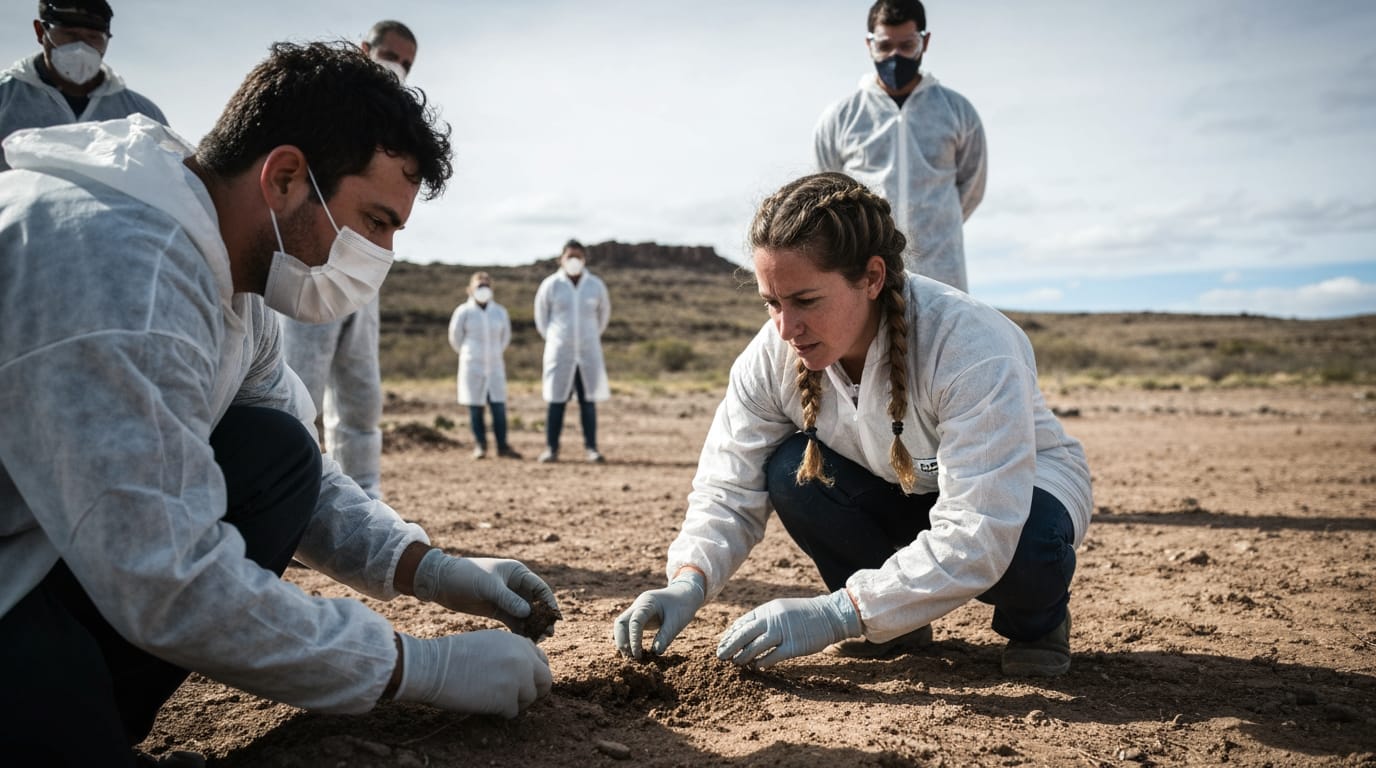
BUENOS AIRES, Argentina – An international team of scientists has converged on Argentina, launching an extensive investigation across the country's western and southern regions to pinpoint the origin of a deadly Hantavirus outbreak linked to a recent cruise ship voyage. The probe, spearheaded by Argentine public health officials and soon to be joined by specialists from the U.S. Centers for Disease Control and Prevention (CDC), focuses on tracing the path of the Andes Hantavirus, a strain notorious for its potential for human-to-human transmission. The collaborative effort seeks not only to understand the current cluster of infections but also to glean critical insights into managing future public health threats posed by the rodent-borne disease.
The Cruise Ship Outbreak: A Global Health Alert
The impetus for this urgent scientific mission arose from an outbreak aboard the MV Hondius, a cruise ship that departed from Argentina's southernmost city of Ushuaia on April 1. Three individuals have died from the virus, and at least eleven confirmed cases have been identified, including a Dutch couple who were among the initial fatalities. The incident triggered a global health alert, prompting authorities to scramble to trace passengers and their close contacts across more than 20 countries as they disembarked and entered specialized quarantine facilities. Among those infected was a Canadian, further underscoring the international scope of the crisis. The outbreak brought into stark relief the rare but significant risk posed by the Andes Hantavirus, the only known strain of the virus capable of spreading directly between people, rather than solely through contact with infected rodent excretions.
Epidemiologists are meticulously reconstructing the timeline of events, examining the schedules of all confirmed cases, particularly the Dutch couple. The working hypothesis suggests the couple likely contracted the virus during their month-long travels through Argentina and Chile before boarding the ship. Their extensive journey across the South American continent involved multiple car trips, leading investigators to explore various potential exposure sites. The typical incubation period for Hantavirus, which can range from approximately three weeks to eight weeks, complicates the precise identification of the initial point of infection.
A Multilayered Scientific Hunt
The hunt for the outbreak's source is a complex, two-pronged approach, combining environmental fieldwork with meticulous epidemiological detective work. In Ushuaia, scientists from Argentina's leading infectious disease research center, the Malbrán Institute, have already deployed traps in the forests surrounding the city, including within the Tierra del Fuego National Park. Their objective is to capture and test rodents, specifically the colilargo subspecies, for the presence of the Andes Hantavirus. This fieldwork commenced in mid-May, with biologists methodically setting up and checking hundreds of box traps, collecting samples for laboratory analysis in Buenos Aires. Local health authorities in Tierra del Fuego have emphasized the importance of this testing, noting that the province has not recorded a confirmed Hantavirus case in the past three decades and are eager to rule out their region as the source.
The investigation is now expanding further north to the western province of Mendoza, where biologists from the U.S. CDC are slated to join Argentine efforts. This collaboration underscores the international concern and the need for diverse expertise in tackling such outbreaks. The scientists in Mendoza will similarly focus on trapping and testing rodents, aiming to cover more ground along the travel routes taken by the initial victims. The process of laboratory testing for the virus can be lengthy, with results potentially taking up to a month to finalize. Despite the challenges in pinpointing the exact origin, authorities remain committed, recognizing that understanding the spread of the virus offers invaluable lessons for its future management.
Hantavirus in Argentina: A Persistent Public Health Challenge
Hantavirus, though rare, is not a new threat to Argentina. The country consistently registers the highest prevalence rate of the disease in Latin America, according to the World Health Organization. The Andes strain, endemic to parts of Argentina and Chile, has historically presented unique challenges due to its human-to-human transmission capability. Notably, outbreaks in rural Patagonian communities decades ago provided the first scientific documentation of this mode of transmission, a phenomenon previously thought to be impossible for Hantaviruses. Another significant outbreak nearly a decade ago, also in Patagonia, further confirmed inter-human spread, resulting in 11 fatalities after an infected individual attended a social gathering.
Recent data indicates a concerning upward trend in Hantavirus infections across Argentina. The Ministry of Health reported 101 cases since June 2025, nearly double the number from the same period the previous year. While the precise reasons for this increase are still under investigation, many local public health researchers attribute it, in part, to the accelerating impacts of climate change, which can alter rodent populations and their habitats, increasing the potential for human exposure. Humans typically contract the virus through inhalation of aerosols from rodent urine, feces, or saliva, often in rural or semi-rural settings where rodent populations are prevalent.
Broader Implications and Ongoing Vigilance
The current Hantavirus outbreak on the MV Hondius has cast a global spotlight on Argentina's ongoing battle with the disease. While the World Health Organization has ruled out an epidemic, the international scrutiny emphasizes the need for robust public health surveillance and rapid response mechanisms. The extensive investigation underway is critical not only for solving the puzzle of this particular outbreak but also for bolstering global understanding of Hantavirus ecology, transmission dynamics, and preventative strategies.
The efforts of Argentine scientists, supported by international partners like the CDC, highlight the interconnectedness of global health and the need for collaborative scientific endeavors. As results from rodent trapping and epidemiological tracing emerge, they will inform public health advisories, risk assessments, and disease management protocols both within Argentina and for international travelers. The goal is to minimize the risk of future outbreaks and to ensure that communities are better prepared to confront the silent threat carried by these small, yet potent, vectors of disease. The scientific community's dedication to unraveling the mysteries of this outbreak serves as a vital safeguard against future public health crises.


