Iran Faces Renewed Turmoil as Thousands Arrested Amid Escalating Protests Over Economic Crisis
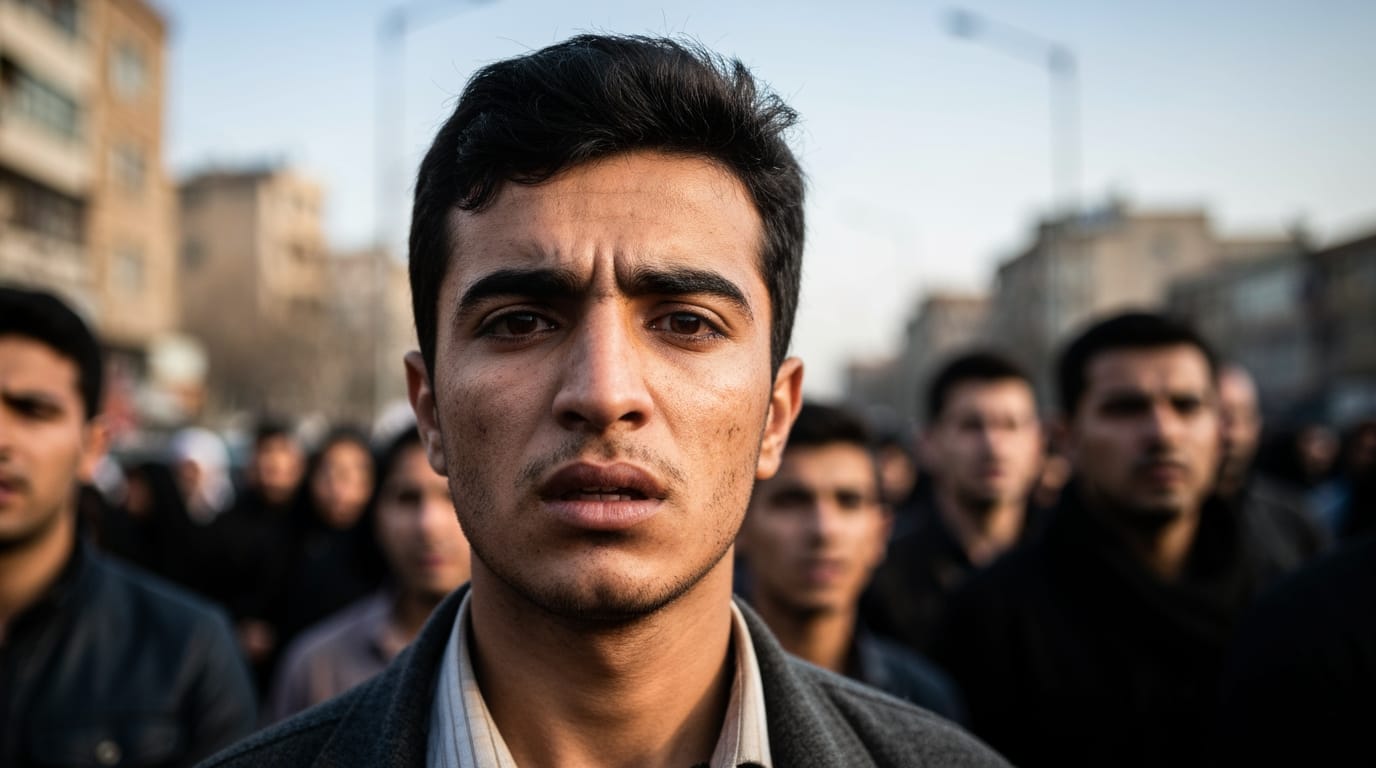
TEHRAN – Iran is once again gripped by widespread unrest, with a leading human rights organization reporting the arrest of over 2,000 protesters as authorities intensify a crackdown on demonstrations fueled by deepening economic hardship and a plunging currency. The Human Rights Activists News Agency (HRANA), a U.S.-based group, stated that as of early January 2026, at least 2,076 individuals have been detained in connection with a new wave of protests that erupted across the country. This latest surge of dissent, primarily driven by soaring inflation and the record low value of the Iranian rial, marks a significant challenge to the government, coming on the heels of major nationwide protests in 2022-2023.
The current protests, which began in late December 2025, have quickly spread to multiple cities and towns, highlighting widespread public frustration over economic mismanagement and the government's perceived inability to address critical domestic issues. Security forces have responded with force, utilizing tear gas, live ammunition, and mass arrests to disperse demonstrators, actions that the Center for Human Rights in Iran (CHRI) has described as amounting to crimes against humanity. The government, for its part, acknowledges the economic difficulties but attributes the unrest to foreign instigation, vowing a firm response against what it terms "rioters."
The Spark of Economic Desperation
The immediate trigger for the current demonstrations is the severe economic crisis plaguing Iran. Citizens are grappling with crippling inflation, rising costs of living, and a national currency, the rial, that has plummeted to historic lows against the U.S. dollar. These economic grievances have spurred protests that originated in locations such as Tehran's Grand Bazaar, a historically significant hub for activism. Reports indicate that demonstrations have expanded beyond major urban centers to encompass smaller towns and diverse segments of the population across at least 27 provinces. Slogans chanted by protesters reflect not only economic hardship but also broader criticisms of governance and calls for social justice, echoing a deeper dissatisfaction with the ruling establishment.
The scale of the current protests, while not matching the intensity of the 2022-2023 Mahsa Amini protests, shows a continuity of public discontent. Analysts suggest that the government is struggling for legitimacy, especially given low voter turnouts in recent elections, and that the regime's response also reflects fears of separatist movements among minority groups. The economic turmoil has been exacerbated by a combination of mismanagement, corruption, and international sanctions, particularly those re-imposed against Iran.
A Pattern of Crackdown and Resistance
The Iranian authorities have met the renewed public outcry with a robust security response. Reports from human rights groups detail the use of live fire against protesters, resulting in dozens of deaths, including children. HRANA reported at least 36 confirmed deaths over a 10-day period in early January 2026, including four individuals under the age of 18. The Center for Human Rights in Iran (CHRI) noted that between December 28, 2025, and January 5, 2026, more than 27 civilians, including six children under 18, were killed by security forces. Injuries have also been widespread, often from pellet and plastic bullets.
Beyond physical force, authorities have employed mass arrests, with the current figure exceeding 2,000 detainees. Iranian officials, including Judiciary Chief Gholamhossein Mohseni Ejehi and Supreme Leader Ali Khamenei, have publicly called for decisive action against protesters, whom they label as "rioters" incited by foreign adversaries. The Islamic Revolutionary Guard Corps (IRGC), Law Enforcement Forces, and Special Police Units have been identified as primary actors in the violent suppression. Concerns are high that these statements could lead to an increase in harsh sentences, including the death penalty, a tool that has seen increased use in political cases.
Echoes of Previous Unrest: The Mahsa Amini Protests
The current wave of protests cannot be fully understood without acknowledging the precedent set by the widespread demonstrations that erupted in September 2022. Those protests were ignited by the death of 22-year-old Mahsa Amini in the custody of Iran's morality police, following her arrest for allegedly violating mandatory hijab laws. While the immediate cause differed, the Mahsa Amini protests quickly evolved into a broader movement challenging the Islamic Republic system and demanding an end to political oppression and inequality.
During the 2022-2023 unrest, human rights organizations like HRANA estimated that around 19,200 people were detained by April 2023, with tens of thousands arrested overall. The government responded with a similar campaign of repression, resulting in hundreds of unlawful killings, including dozens of children, and widespread torture and sexual violence against detainees. In a significant development, the Iranian government announced in February 2023 that Supreme Leader Ali Khamenei would pardon or commute the sentences of "tens of thousands" of prisoners, including over 22,000 arrested during the protests. This move, while offering a glimpse into the vast scale of detentions, was viewed by some as a tactic to manage dissent.
International Condemnation and Calls for Accountability
The international community has largely condemned Iran's handling of the protests. The United Nations Secretary-General António Guterres has expressed deep concern over the loss of life and injuries, urging Iranian authorities to uphold the rights to freedom of expression, association, and peaceful assembly. The European Union has also called on Iran to exercise maximum restraint and address public grievances through dialogue. Rights organizations like Amnesty International and Freedom House have consistently called for an immediate halt to violence, the release of political prisoners, and accountability for human rights abuses.
Despite these international calls, the Iranian government maintains that foreign entities, including the U.S. and Israel, are spreading misinformation and supporting the protesters, calling such condemnation hypocritical. The government has also conducted drone and missile strikes against Kurdish groups in Iraq's Kurdistan region, accusing them of supporting the protests. The ongoing international pressure, particularly concerning human rights and the country's nuclear program, continues to complicate Iran's diplomatic relations.
Conclusion
The current wave of protests in Iran underscores a deep-seated and persistent public discontent that extends beyond specific triggers to broader frustrations with economic conditions, governance, and human rights. With over 2,000 arrests reported by rights groups in the ongoing crackdown, the Iranian government faces renewed scrutiny both domestically and internationally. The cycle of protest and repression continues, leaving the future uncertain for thousands of detainees and for the broader trajectory of the Islamic Republic as it navigates complex economic challenges and persistent calls for change from its populace. The repeated assertion of force by security services against its citizens, coupled with the systemic denial of fundamental rights, ensures that the current unrest will likely have lasting implications for Iran's social fabric and its standing on the global stage.


