Iran in Turmoil: A Nation Trapped Between War and Fragile Truces
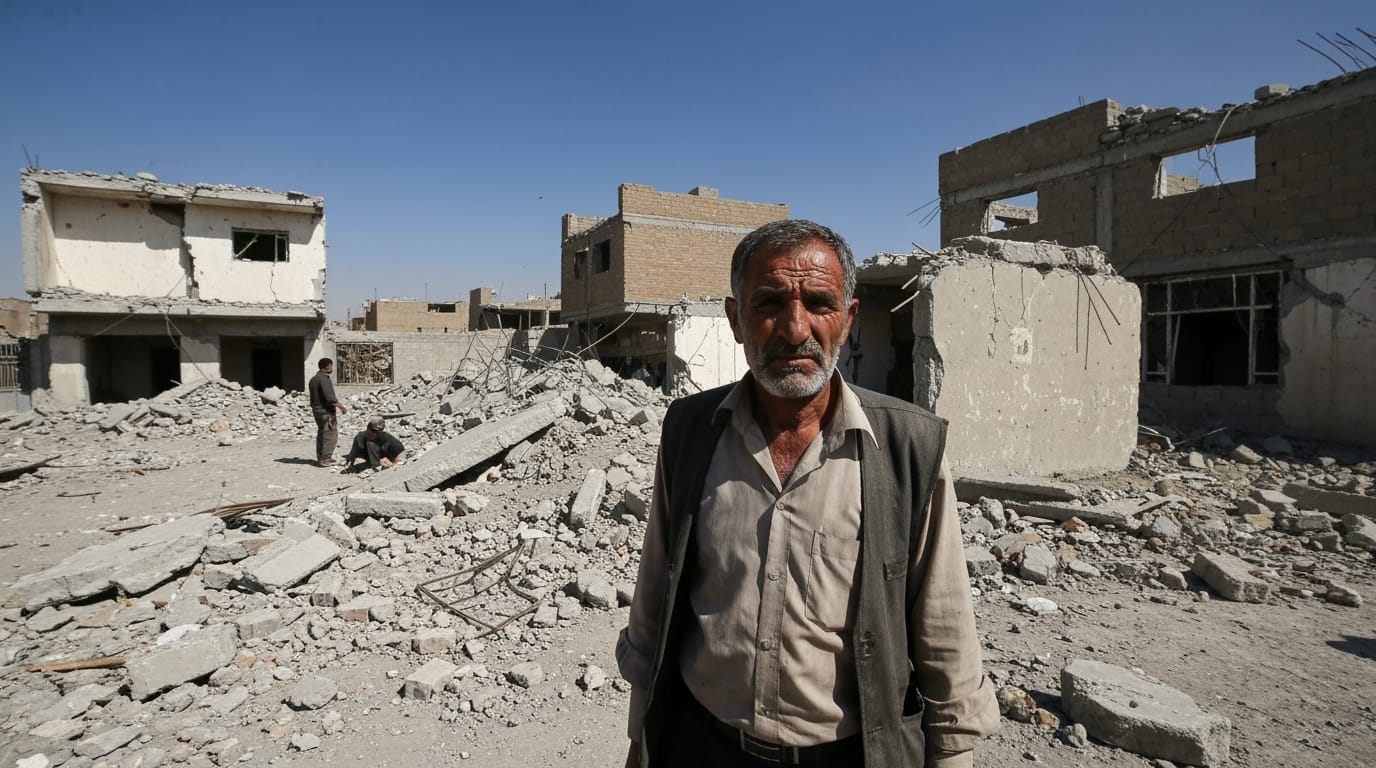
Tehran, Iran – Iran finds itself precariously balanced on a knife-edge, navigating a complex and brutal landscape of overt conflict, shattered ceasefires, and desperate diplomatic overtures. As July 2026 unfolds, the nation and its people are living through a period characterized by intense geopolitical volatility, severe economic distress, and a profound humanitarian crisis, following a period of escalating tensions and direct military engagement with the United States and Israel. The hope for a lasting peace remains elusive, frequently overshadowed by renewed hostilities and deep-seated distrust that continuously threaten to plunge the region into wider devastation.
The Cycle of Conflict and Ephemeral Truces
The current state of limbo between war and ceasefire for Iran stems from a rapid escalation of hostilities that began in early 2026, building upon years of heightened regional tensions. Direct military conflict between the United States, Israel, and the Islamic Republic of Iran commenced on February 28, 2026, following the breakdown of diplomatic channels and critical pre-war flashpoints in 2024 and 2025. This marked a significant shift from decades of covert proxy warfare to sustained, conventional kinetic engagement. The conflict has featured large-scale air campaigns against Iran and retaliatory ballistic missile salvos targeting Israel and Persian Gulf states.
Prior to this, 2024 and 2025 saw a series of direct confrontations, including an Israeli strike on the Iranian consulate in Damascus in April 2024, followed by Iranian missile and drone attacks on Israel in retaliation. These exchanges culminated in the "Twelve-Day War" in June 2025, which involved both the U.S. and Israel targeting Iranian military and nuclear facilities.
Attempts at de-escalation have proven fragile. A Memorandum of Understanding (MoU) was signed in June 2026, reportedly aimed at ending the conflict and reopening the crucial Strait of Hormuz. However, this truce proved short-lived, with reports from July 2026 indicating a breakdown of the agreement, renewed coastal bombardments, and maritime blockades. Iran has since repeatedly threatened and attacked ships passing through the Strait of Hormuz, a vital chokepoint for global energy supplies, seeking to assert control and impose fees on maritime traffic. This aggressive stance has prompted further retaliatory strikes from the United States.
The Looming Nuclear Question
Central to the ongoing crisis is Iran's nuclear program, which has been a persistent source of international concern and a major catalyst for the current hostilities. Since the United States withdrew from the Joint Comprehensive Plan of Action (JCPOA) in 2018 and reimposed sanctions, Iran has progressively breached the agreement's limits. By late 2024, Iran possessed enough highly enriched uranium to produce material for multiple nuclear weapons within a short timeframe, reaching 60 percent enrichment—a level with no practical civilian application.
Despite assessments by U.S. intelligence that Iran is not actively building a nuclear weapon, its expanded nuclear activities have positioned it to do so if a political decision is made. The International Atomic Energy Agency (IAEA) formally declared Iran non-compliant with its non-proliferation obligations in June 2025, intensifying international scrutiny. Negotiations in 2025-2026 specifically aimed at a nuclear peace agreement, but these talks have been complicated by military actions and deep mistrust. The question of Iran's nuclear capabilities remains a significant hurdle in any potential long-term settlement.
Economic Ruin and a Deepening Humanitarian Crisis
Years of international sanctions, coupled with the recent military conflict, have pushed Iran's economy to the brink of collapse. The country entered 2026 facing extensive protests sparked by a weak economy, high inflation, and currency depreciation. Inflation has surged, reaching 57.7% annually by May 2026, with some estimates for consumer price growth reaching 68.9% by year-end. The Iranian rial has plummeted to record lows, severely eroding household purchasing power.
The conflict exacerbated existing economic woes, with widespread damage to critical infrastructure, including petrochemical plants and industrial installations. A U.S. naval blockade proved particularly effective, drastically cutting Iran's oil exports—the lifeblood of its economy—to nearly zero by May 2026. This has led to an "employment catastrophe," with an estimated 5 million people losing their jobs. Severe energy shortages plagued the winter of 2024-2025, leading to months of blackouts and further economic hardship.
The human cost of this economic devastation and conflict is staggering. As of early April 2026, intense airstrikes across multiple provinces had resulted in over 2,100 civilian deaths and nearly 28,000 injuries since February 28. Civilian infrastructure, including homes, schools, and health facilities, has sustained extensive damage. The conflict has also triggered significant internal displacement, with estimates in March 2026 suggesting over 3 million people were internally displaced within Iran. The interruption of basic services like electricity, water, and telecommunications, coupled with widespread food inflation reaching up to 115 percent, has created a dire humanitarian situation, leading to urgent needs for health services, mental support, safe water, food, and shelter.
Regional Implications and a Fraught Diplomatic Path
The volatility in Iran reverberates across the entire Middle East and beyond, impacting global energy markets and international shipping. The repeated disruptions and blockades in the Strait of Hormuz have sent Brent crude prices surging and caused the "largest supply disruption in the history of the global oil market." Airspace closures across the region have disrupted global travel and supply chains, leading to fears of stagflation and recession.
Iran's network of regional proxies, while having undergone some degradation in recent years due to Israeli and U.S. strikes, remains a significant factor in the regional power balance. The conflict has strained regional alliances and highlighted the interconnectedness of security in the Middle East. While some Gulf states have attempted to mediate, Iran's targeting of civilian infrastructure in neighboring countries during its retaliatory strikes has deepened distrust.
Despite the ongoing hostilities and deep mutual distrust, diplomatic efforts continue. Negotiations between the U.S. and Iran, mediated by countries like Pakistan and Qatar, aim to achieve a comprehensive political settlement. These talks address complex issues, including sanctions relief, the future of Iran's nuclear program, and regional security arrangements. However, significant disagreements persist, and the prospects for a durable resolution remain highly uncertain. Both sides have signaled a willingness to resume military action, underscoring the precariousness of the current situation.
The people of Iran, caught in the crossfire of geopolitical ambition and economic hardship, strive to maintain some semblance of normalcy amidst the chaos. Yet, the constant threat of renewed violence, coupled with the profound impact on daily life and an uncertain future, means that for Iran, true peace remains a distant and desperately sought-after aspiration. The international community watches on, grappling with the profound global implications of a nation teetering between an fragile understanding and outright war.


