Iran Intensifies Campaign Against Baha'i Minority Amidst Escalating Repression
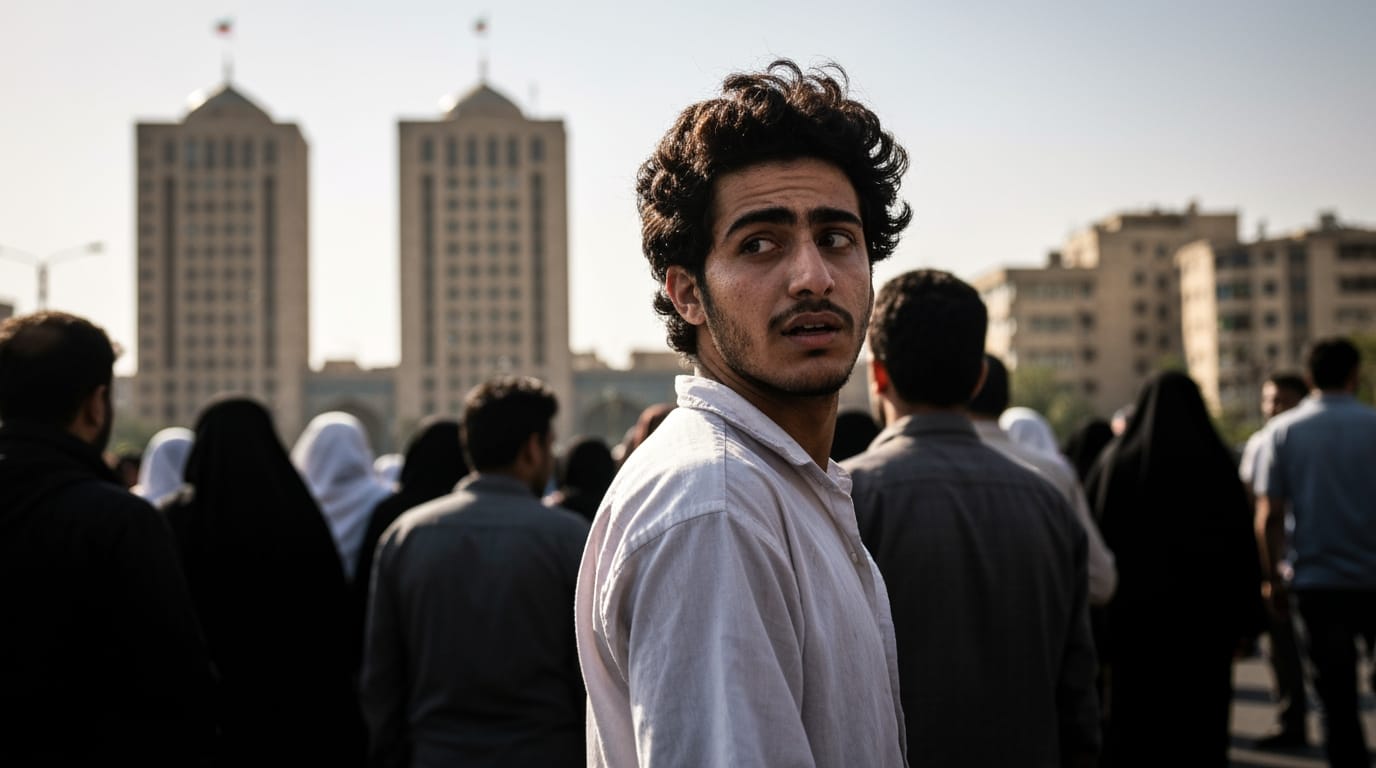
TEHRAN, Iran – Iran's Baha'i community, the nation's largest non-Muslim religious minority, is currently enduring an escalating and systematic campaign of persecution, marked by a surge in arrests, violent home raids, and confiscation of property. Human rights organizations and international bodies are raising alarms over what they describe as a deliberate state-sponsored effort to marginalize and dismantle the Baha'i community, often employing increasingly brazen tactics. This intensified crackdown appears to be linked to recent regional tensions and domestic unrest, with Baha'is frequently scapegoated by the authorities.
The current wave of repression has seen Baha'is across Iran subjected to arbitrary detentions, prolonged interrogations, and the forced closure of businesses, with authorities often operating without due process. Experts suggest that the coordinated nature of these actions points to a systematic policy rather than isolated incidents, aiming to terrorize and collectively punish adherents of the Baha'i Faith.
Escalation of Repression in Early 2026
The early months of 2026 have witnessed a significant acceleration of pressure on the Baha'i community. Reports indicate a sharp increase in arrests, particularly targeting women and young families, alongside violent home raids and enforced disappearances. Security agents have reportedly stormed homes without warrants, confiscating personal belongings including phones, computers, and religious texts. In some instances, elderly family members and children have been subjected to interrogation and intimidation during these raids.
A particularly alarming development has been the use of text messages to inform Baha'is of property confiscations, a move described by a Baha'i International Community spokesperson as "economic strangulation." In Isfahan, more than 20 Baha'is are facing the seizure of their homes, assets, and even vehicles, based solely on their religious affiliation. Authorities have misused Article 49 of the Iranian Constitution, which is intended to recover illicitly gained wealth, to justify these confiscations, effectively channeling seized properties to entities under the direct authority of the Supreme Leader.
Specific instances of recent persecution include the arrest of 11 Baha'i women in January 2026 following early morning home raids conducted without warrants. In October 2024, 10 Baha'i women in Isfahan received combined prison sentences totaling 90 years, facing inhumane detention, denial of medical care, and physical abuse. More recently, in March 2025, Anisa Fanaian, a Baha'i mother, was sentenced to seven years in prison for teaching literacy to Afghan refugee children. These actions underscore a pattern of intersectional oppression, disproportionately affecting Baha'i women.
The Iranian government has frequently attempted to justify these crackdowns by linking Baha'is to Israel, often accusing them of espionage or being agents of foreign powers. State-sponsored media and cyber armies have intensified hate speech and disinformation campaigns, portraying Baha'is as Israeli spies to incite public hatred and legitimize repression. This narrative often intensifies during periods of national crisis, with the Baha'i community serving as a convenient scapegoat.
Systemic Discrimination and Economic Strangulation
The persecution of Baha'is in Iran is not merely a series of incidents but a deeply entrenched, systemic policy. The Iranian Constitution does not recognize the Baha'i Faith as an official religion, unlike Christianity, Judaism, or Zoroastrianism, rendering Baha'is unprotected under the country's legal system. This lack of recognition forms the foundation for their exclusion from many fundamental civil rights.
A secret 1991 memorandum, signed by Supreme Leader Ayatollah Khamenei, explicitly outlines strategies to "block the progress and development" of the Baha'is, effectively aiming to eradicate them from Iranian society. This policy translates into severe economic and educational discrimination. Baha'is are systematically denied access to higher education, banned from university enrollment, and expelled if they manage to gain admission. Thousands are barred from public-sector jobs, and private business licenses are often denied or revoked, leading to the forced closure of Baha'i-owned enterprises.
Property confiscations remain a significant tool of oppression, with Baha'is losing homes and lands they have owned for generations. This has been particularly evident in villages like Ivel and Kata, where court rulings have declared Baha'i land ownership illegal based on their religious beliefs. These actions are part of a four-decade-long pattern of state-sponsored seizure of Baha'i property since the 1979 Islamic Revolution.
Historical Context and State-Sponsored Propaganda
The Baha'i Faith, which originated in 19th-century Persia, has faced persecution since its inception. However, the severity of this repression intensified dramatically following the 1979 Islamic Revolution. In the revolution's immediate aftermath, over 200 Baha'is were executed, hundreds more were imprisoned and tortured, and their holy sites were destroyed. The early years also saw the abduction and presumed death of members of the Baha'i national governing council, followed by the execution of subsequent national and local spiritual assembly members.
State-driven hate speech and anti-Baha'i propaganda are integral to the ongoing persecution. Baha'is are falsely accused of espionage for foreign governments, particularly Israel, due in part to the location of their spiritual center in Haifa. Religious leaders label them as "deviant," "morally corrupt," and "unclean," fostering an environment that incites public hatred and violence. State television frequently airs "false accusations" and "forced confessions" of detained Baha'is, further entrenching negative stereotypes.
International Condemnation and Calls for Action
The systematic persecution of the Baha'i community in Iran has drawn widespread condemnation from the international community. Human rights organizations, including Human Rights Watch and Amnesty International, along with the Baha'i International Community (BIC) and numerous United Nations bodies, have consistently denounced Iran's actions.
In July 2024, Human Rights Watch classified Iran's treatment of the Baha'i community as a "crime of persecution against humanity." This assessment aligns with the findings of various UN Special Rapporteurs who have expressed grave concern over the violations of civil, economic, and political freedoms, particularly impacting Baha'i women. The European Parliament adopted a resolution in May 2026 condemning the intensified persecution, including enforced disappearances, property confiscation, arbitrary detention, and state-sponsored hate speech. The resolution urged EU governments to sanction Iranian officials involved in these abuses and press for the release of those imprisoned for their beliefs.
Despite Iran's obligations under international human rights law, including the International Covenant on Civil and Political Rights (ICCPR), the authorities continue their repressive policies. International advocacy groups and governments regularly call for an end to the discrimination and for Iran to uphold the rights of all its citizens, irrespective of their faith.
A Community's Resilience Amidst Ongoing Peril
The Baha'i community in Iran faces relentless pressure aimed at its eradication as a viable entity. From cradle to grave, every aspect of Baha'i life is impacted by state-led oppression, spanning family law, schooling, education, employment, and security. Yet, despite these profound challenges, the Baha'is in Iran have demonstrated remarkable resilience. Many choose to remain in their homeland, committed to contributing to its progress and advancement, often through small-scale initiatives like literacy programs undertaken in collaboration with fellow citizens.
The ongoing plight of the Baha'i community serves as a litmus test for human rights in Iran. International observers continue to monitor the situation, urging the Iranian government to cease its discriminatory practices and adhere to universal human rights standards. The global attention brought to their suffering offers a glimmer of hope to those within Iran enduring daily persecution, calling for an end to the violent policies against all victims of human rights abuses.


