Iran Issues Dire Warning: New Attack Will Ignite Regional War Beyond Borders
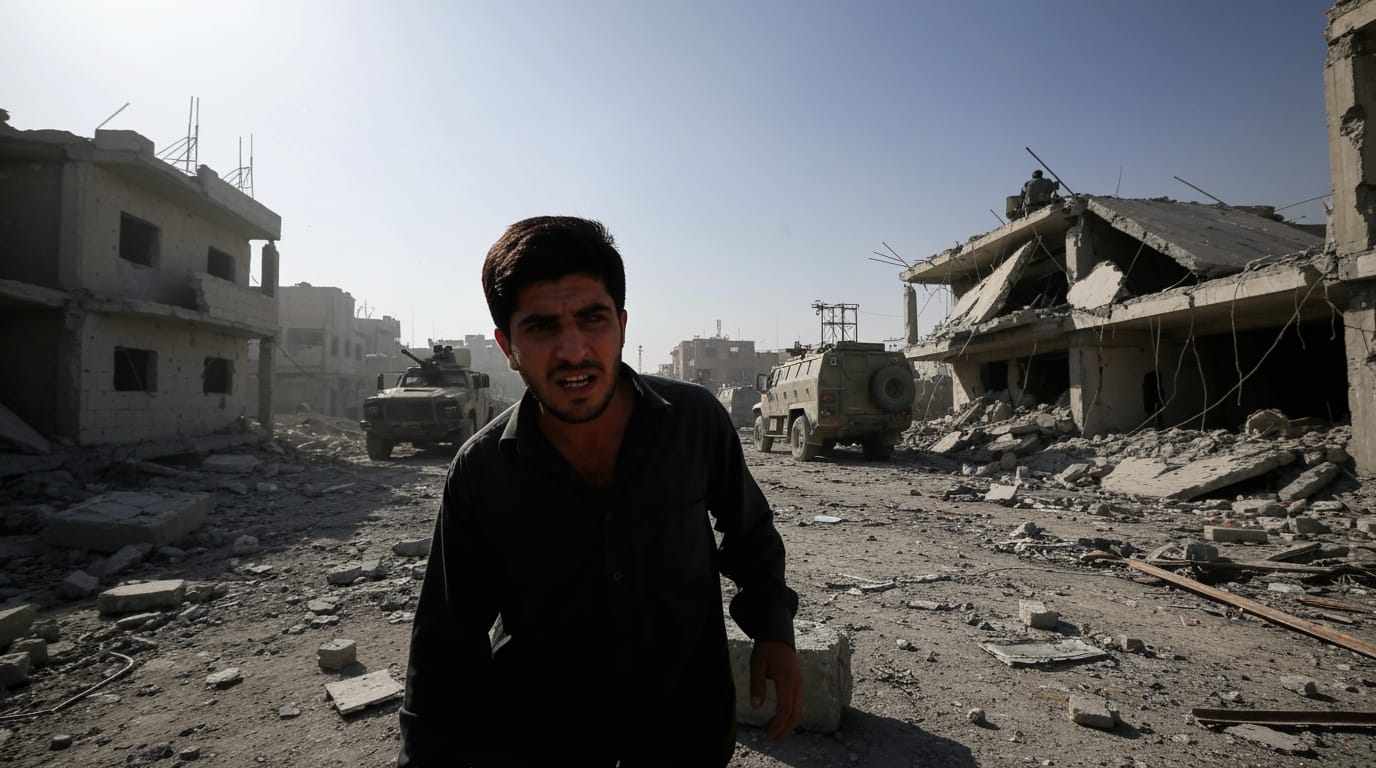
The Middle East teeters on the precipice of a broader conflict, as Iran has issued explicit and repeated warnings that any new military aggression against its territory will trigger a war extending far beyond the region. This stern declaration comes amid a highly volatile period marked by a fragile ceasefire, ongoing hostilities, and diplomatic efforts struggling to contain escalating tensions between Iran, the United States, and Israel. The international community is closely monitoring the situation, with global leaders urging de-escalation to avert catastrophic economic and humanitarian consequences.
The Escalating Rhetoric: Iran's Veiled Threats of a Broader War
Iranian officials have left no ambiguity regarding their potential response to renewed attacks. The Islamic Revolutionary Guard Corps (IRGC) has explicitly stated that "should aggression against Iran be repeated, the regional war that was promised will this time extend beyond the region, and our crushing blows in places you can scarcely imagine will reduce you to ashes." This formidable warning was echoed by Iranian Foreign Ministry spokesman Esmaeil Baqaei, who declared Tehran is "fully prepared for every scenario" and will respond with "full strength" and "new 'surprises'" in the event of any "reckless action."
Iranian military spokesperson Mohammad Akraminia further underscored this resolve, warning that Iran would "open new fronts" against its adversaries if hostilities resume. He emphasized that Iran's military has utilized the current ceasefire period not as a de-escalation phase but as an opportunity to strengthen its combat capabilities. Deputy Foreign Minister Kazem Gharibabadi, in a post on X, also asserted Iran's readiness to confront "any military aggression," stating that "surrender has no meaning" for the Islamic Republic. These pronouncements collectively paint a picture of a nation prepared to engage in an expansive and multifaceted conflict should its sovereignty be challenged.
A Region on the Brink: The Current Landscape of Conflict
The current state of heightened alert follows the official commencement of the "2026 Iran war" on February 28, 2026. This conflict was ignited by U.S. and Israeli airstrikes on Iran, which targeted military and government facilities and reportedly resulted in the assassination of several Iranian officials, including Supreme Leader Ali Khamenei. Iran retaliated swiftly with its own missile and drone attacks against Israel, U.S. military bases, and U.S.-allied Arab nations, concurrently moving to close the critical Strait of Hormuz, a vital international shipping lane.
A precarious ceasefire, brokered by Pakistan, has since been in place, yet its stability remains constantly challenged. Recent events underscore the fragility of this truce, including a drone strike that caused a fire at an Emirati nuclear power plant, an incident widely attributed to Iran. Simultaneously, Israeli forces have continued to launch strikes in Lebanon, leading to over 3,000 fatalities, actions that Iran interprets as clear violations of the ceasefire, which it maintains should encompass all regional fronts. The U.S. currently maintains a naval blockade against Iran, which has, in turn, established its own blockade of the Persian Gulf, further complicating maritime navigation and trade. U.S. President Donald Trump has consistently issued threats of renewed military action against Iran if diplomatic efforts falter, even as he reportedly called off a planned attack to facilitate negotiations.
Global Concerns and Diplomatic Frustration
The prospect of an expanding conflict has triggered widespread alarm across the international community, prompting urgent calls for de-escalation. United Nations Secretary-General António Guterres has starkly warned that the world stands "on the edge of a wider war" with potentially catastrophic global ramifications. He has urged an immediate cessation of hostilities and stressed the imperative of respecting navigational rights in crucial maritime routes.
Major global powers, including China and Russia, have also voiced their profound concerns. Chinese President Xi Jinping, during a meeting with Russian President Vladimir Putin, called for a "comprehensive ceasefire" and characterized further Middle East hostilities as "inadvisable." Germany's Chancellor Friedrich Merz condemned alleged "renewed Iranian airstrikes" against the United Arab Emirates and other partners, urging Tehran to engage in serious negotiations with the U.S. and cease threatening its neighbors.
Reactions from regional actors have been varied and complex. Several Gulf states, including Qatar, the UAE, Saudi Arabia, and Kuwait, have unequivocally condemned Iranian attacks, expressing serious concerns over their sovereignty and the security of their critical infrastructure. Notably, these nations have reportedly declined to permit the U.S. to launch strikes from their military bases, indicating a desire to avoid direct entanglement. In contrast, Oman, a traditional mediator in the region, has cautioned the U.S. against deeper involvement, stating that the conflict is "not your war" and urging restraint. Domestically, the U.S. Senate has advanced a war-powers resolution aimed at ending the Iran war unless President Trump secures congressional authorization, reflecting internal divisions over military engagement.
The Unforeseen Costs of Expansion
A wider war in the Middle East would unleash devastating consequences, far transcending the immediate theater of conflict. Economically, such an escalation would trigger global energy and financial shocks. The closure or severe disruption of the Strait of Hormuz, through which a significant portion of the world's oil supplies pass, would inevitably lead to soaring oil prices and severe disruptions to international trade. This would ripple through global economies, impacting supply chains, inflation, and the cost of living for millions worldwide.
The humanitarian toll would be equally dire, intensifying existing crises and creating new ones. Millions could face displacement, and essential services, particularly healthcare, would be severely strained, as evidenced by the already critical health emergencies in areas like Lebanon. The conflict would exacerbate regional instability, further destabilizing countries such as Lebanon, Iraq, and Syria, and potentially drawing in new actors. Iran's stated strategy of opening "new fronts" and potentially engaging in "suicidal aggression" if its regime's survival is threatened suggests a readiness for unconventional tactics that could inflict widespread and unpredictable damage.
The current geopolitical climate in the Middle East represents a perilous "neither war nor peace" scenario. While diplomatic channels remain open, the persistent threats and sporadic acts of aggression underscore the urgent need for a decisive breakthrough in negotiations. The explicit warnings from Iran, combined with the region's inherent volatility and the interconnectedness of global systems, highlight the critical imperative for all parties to pursue genuine de-escalation and a lasting resolution to prevent a regional conflagration with unimaginable worldwide repercussions.


