U.S. Indicts Former Cuban President Raúl Castro Over 1996 Plane Downing
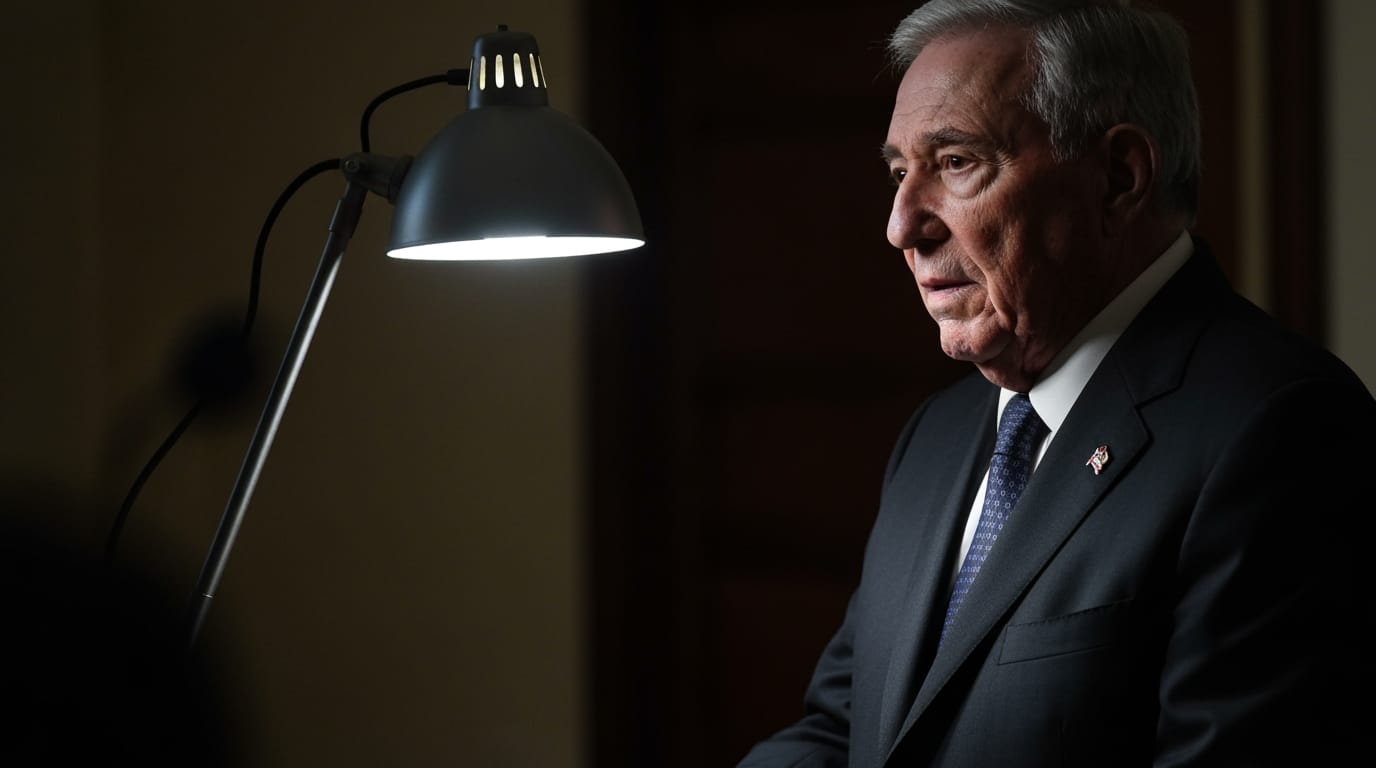
MIAMI, Florida – The United States has unsealed an indictment against former Cuban President Raúl Castro, leveling charges including conspiracy to kill U.S. nationals and murder in connection with the 1996 shootdown of two civilian aircraft operated by the humanitarian group Brothers to the Rescue. The extraordinary legal action, announced Wednesday, May 20, 2026, marks a significant escalation in the decades-long tensions between Washington and Havana, signaling a renewed pressure campaign against the communist island nation. While largely symbolic given the unlikelihood of extradition, the indictment underscores the enduring impact of an incident that claimed four lives and profoundly reshaped U.S.-Cuba relations.
Charges Unveiled in Miami
A federal grand jury in South Florida, home to a large Cuban exile community, returned the indictment against Castro in April, with the Justice Department moving to unseal it Wednesday. At the time of the 1996 incident, Raúl Castro served as Cuba's defense minister, a position that, according to the U.S. Justice Department, placed him in a leading role in the decision to deploy Cuban fighter jets. The charges against the 94-year-old former leader include one count of conspiracy to kill U.S. nationals, four counts of murder, and two counts of destroying an aircraft. Three of the four individuals killed in the attack were U.S. citizens, intensifying the legal and political ramifications of the event. Top Justice Department officials were expected to announce the unsealing in downtown Miami, a location chosen for its resonance within the Cuban exile community.
The Tragic 1996 Shootdown
The core of the indictment stems from events on February 24, 1996, when two Cessna 337 aircraft, belonging to the Miami-based Brothers to the Rescue organization, were shot down by a Cuban MiG-29 fighter jet. Brothers to the Rescue, founded by Cuban exile Jose Basulto in 1991, operated with the stated mission of searching for Cuban refugees attempting to flee the island on rafts and alerting the U.S. Coast Guard to their presence. The group's flights over the Florida Straits were often characterized as humanitarian efforts aimed at saving lives.
The incident sparked immediate international outrage and condemnation. A report by the Organization of American States (OAS) found that the planes were shot down outside Cuban airspace, concluding that Cuba violated international law by firing without warning and without clear evidence of necessity. U.S. officials and international investigators corroborated the assessment that the attack occurred over international waters. Conversely, Cuba maintained that the aircraft had either violated or approached its sovereign airspace, although then-President Fidel Castro later denied giving a direct order to shoot down the planes, as did Raúl Castro. The downing of the planes, which killed four volunteers, including three U.S. citizens, marked an "irreversible breaking point" in already strained relations between Washington and Havana. President Bill Clinton condemned the act "in the strongest possible terms" at the time.
Escalating Pressure in U.S.-Cuba Relations
The unsealing of the indictment against Raúl Castro arrives amidst a broader and intensified pressure campaign by the current U.S. administration against the Cuban government. President Donald Trump has consistently pushed for major reforms and even floated the idea of a "friendly takeover" of the country, aiming to achieve a "regime change." This renewed focus on Cuba follows a similar strategy employed against other perceived adversaries, such as Venezuela, where the U.S. previously indicted former President Nicolás Maduro on drug trafficking charges. The administration has also threatened heavy tariffs on any country exporting oil to Cuba, contributing to energy shortages on the island.
The legal action has been championed by various U.S. officials, particularly those from Florida. Florida Attorney General Ashley Moody had announced in March her intention to reopen a state investigation into the 1996 incident. Florida Republican Senator Rick Scott and other lawmakers have also actively called on the Justice Department to pursue charges against Castro.
Recent diplomatic maneuvers underscore the heightened tensions. CIA Director John Ratcliffe reportedly met with Raúl Guillermo Rodríguez Castro, Raúl Castro's grandson, known as "Raulito," to deliver a message from President Trump. The message emphasized that the U.S. is "prepared to seriously engage on economic and security issues, but only if Cuba makes fundamental changes." A CIA official further stated that Cuba could "no longer be a safe haven for adversaries in the Western Hemisphere."
Despite formally stepping down as the leader of Cuba's Communist Party in 2021, Raúl Castro, now 94, is widely regarded as a powerful and influential figure within the island's political landscape. He assumed the presidency in 2008 after his brother Fidel's health declined and remained First Secretary of the Communist Party until 2021. His enduring presence means that any legal action against him, even if symbolic, carries significant weight in both domestic Cuban politics and international relations.
A Symbolic but Significant Move
While the indictment of a former head of state is a rare and powerful legal statement, it is widely acknowledged that the prospect of Raúl Castro facing trial in a U.S. court is extremely remote. Extradition of Castro, who remains in Cuba, is considered highly unlikely without the cooperation of the Cuban government, which is improbable given the adversarial nature of current U.S.-Cuba relations. Consequently, the indictment serves more as a symbolic gesture, aimed at holding Castro accountable in the eyes of U.S. law and sending a clear message to Havana about the consequences of actions deemed hostile to U.S. interests.
The move aligns with the Trump administration's foreign policy approach, which has increasingly utilized legal tools to exert pressure on foreign governments and leaders. This strategy, exemplified by the indictment of Maduro, aims to isolate and destabilize regimes that the U.S. views as problematic. However, critics often question the practical efficacy of such indictments when the accused are beyond the reach of U.S. jurisdiction, suggesting they may further entrench opposition rather than compel cooperation.
Conclusion
The U.S. indictment of former Cuban President Raúl Castro represents a dramatic intensification of the long-standing animosity between Washington and Havana, resurrecting the painful memories of the 1996 Brothers to the Rescue shootdown. While unlikely to result in a physical trial for the 94-year-old Castro, the charges serve as a powerful declaration of accountability from the U.S. Justice Department and underscore a renewed U.S. commitment to pressuring the Cuban regime. This legal maneuver, part of a broader Trump administration strategy, cements the 1996 incident as a pivotal moment in U.S.-Cuba relations, reverberating through contemporary geopolitical dynamics and shaping the contentious path forward between the two nations. The indictment, while largely symbolic, reflects a determined effort to impose legal consequences for historical grievances, even if justice in a courtroom remains out of reach.


