Iran Plunges into Digital Darkness as Regime Seeks to Quell Widespread Protests
Tehran, Iran – Iran has once again descended into a nationwide internet blackout, a digital iron curtain falling across the country as authorities escalate efforts to suppress widespread protests sparked by a deepening economic crisis. The latest shutdown, confirmed by internet monitoring groups on January 8, 2026, marks a critical juncture in the ongoing unrest that has gripped the nation since late December 2025, leaving millions of Iranians cut off from vital information and the outside world.
The move echoes a decades-long pattern of the Iranian government weaponizing internet access during periods of dissent, stifling communication and obscuring the scope of state-led crackdowns. As calls for nationwide demonstrations intensify, the deliberate severing of online connectivity highlights the regime's determination to maintain control over the narrative and neutralize opposition, even at significant cost to its citizens and economy.
A Cycle of Unrest and Disconnection
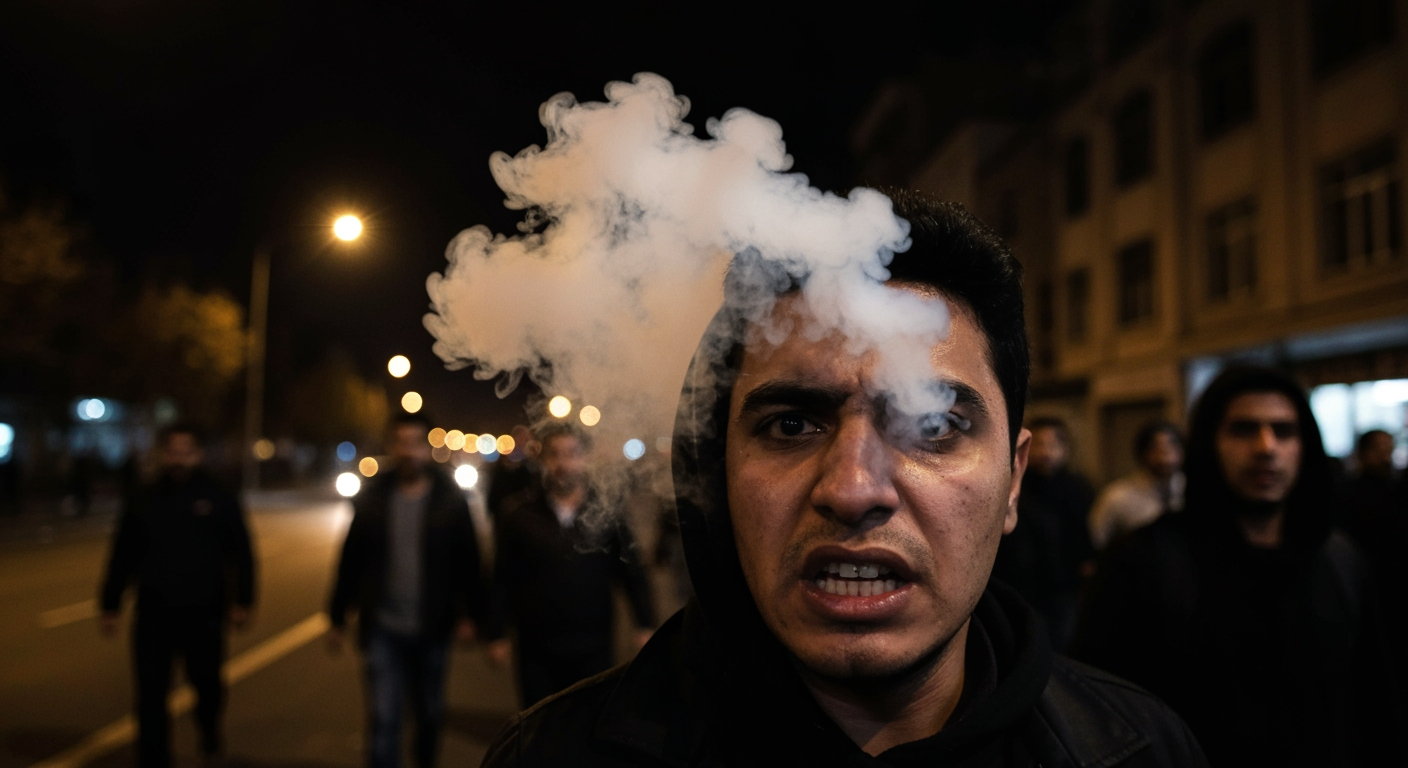
The current wave of protests, ignited by severe economic hardships including a plummeting currency and soaring inflation, has rapidly spread across Iran. Demonstrators in Tehran, Esfahan, Lodegan, Abdanan, Shiraz, and Kermanshah, among other cities, have taken to the streets, with some openly challenging the Supreme Leader and the ruling regime. The regime's response, consistent with its historical playbook, has been swift and severe, extending beyond physical force to target the digital sphere. NetBlocks, an internet monitoring group, reported a sharp drop in connectivity across multiple service providers, indicating a near-total blackout that also affected telephone services in some areas.
This tactic is far from new. Iran has a well-documented history of implementing internet shutdowns during significant periods of unrest. Notable instances include the Green Movement protests in 2009, the Gas Price Protests of 2019 (which saw internet traffic reduced to 5% of normal levels), and the widespread demonstrations following the death of Mahsa Amini in 2022. More recently, a 12-day internet restriction was imposed during a June 2025 conflict with Israel, justified by authorities as a measure for "national security." Each instance has demonstrated the government's readiness to sacrifice public communication for the sake of suppressing dissent and controlling information flow.
Sophisticated Censorship and the 'National Information Network'
Iran's internet censorship system is among the most restrictive globally. The regime employs a multi-pronged approach to digital control, ranging from outright blackouts to more subtle forms of throttling and filtering. Popular international platforms like YouTube, Twitter, Facebook, Instagram, and Telegram have long been blocked, with WhatsApp also becoming inaccessible during previous crackdowns. The government's Internet Filtering Committee, headed by the Prosecutor-General, decides which websites are to be censored.
A key component of this strategy is the development of the National Information Network (NIN), often dubbed the "halal internet" or "national internet." The NIN aims to create a domestic, state-controlled intranet, reducing reliance on the global internet and making it easier for authorities to monitor and control content. This initiative, while framed as a boost to national security and protection of cultural values, is widely seen as a tool for deeper surveillance and censorship. Critics point to a "digital apartheid" within the system, where government-approved individuals, often using "white SIM cards," enjoy unrestricted internet access, while the general public faces severe limitations.
Efforts to bypass these restrictions are also aggressively targeted. Virtual Private Networks (VPNs), commonly used by Iranians to circumvent censorship, are frequently disrupted and their use has been criminalized. In February 2024, the Supreme Council for Cyberspace prohibited unauthorized VPNs, with plans to require users to obtain licensed, government-approved versions.
Devastating Economic and Social Repercussions
The recurring internet blackouts inflict severe damage on Iran's already fragile economy and the daily lives of its citizens. Economic analysts estimate staggering losses, with hourly figures reaching $1.5 million during shutdowns. The Iran Internet Businesses Guild Association reported a loss of over $1.6 billion during a 17-month period of social media bans and occasional blackouts, noting that the digital economy shrank by 30% in just one month during recent restrictions, costing approximately $170 million.
Small and medium-sized businesses, heavily reliant on online platforms for sales, communication, and electronic payments, are particularly vulnerable. The shutdowns disrupt operations, cause significant financial losses, and deter foreign investment. Economists warn that these blackouts contribute to a "brain drain," compelling freelancers, programmers, and entrepreneurs to seek opportunities abroad due to unstable internet access. The Minister of Communications acknowledged that around 10 million Iranians rely on digital jobs, underscoring the profound impact on livelihoods.
Beyond the economic toll, the human cost is immense. Internet blackouts isolate individuals from family and friends both within and outside Iran, hindering access to essential services, education, and global networks. This digital isolation fosters feelings of frustration, anxiety, and helplessness, undermining freedom of expression and access to information. During critical events, such as the 2025 conflict with Israel, internet blackouts left the population without warnings about aerial strikes, placing lives at extreme risk. Furthermore, the suppression of online communication makes it incredibly difficult for citizens to organize protests, share information about government crackdowns, and document human rights abuses, thereby enabling a more violent response from security forces. Independent reports indicate that dozens have been killed and thousands arrested in the current protests.
International Condemnation and Calls for Accountability
The Iranian government consistently justifies its internet restrictions by citing national security concerns, claiming to counter "psychological and cyber" threats, particularly from entities like Israel, and alleging foreign interference in domestic protests. Authorities have also urged citizens to rely solely on state media and domestic messaging apps for news, consolidating their control over information.
However, these justifications are met with widespread condemnation from human rights organizations and the international community. Groups like Amnesty International, Human Rights Watch, ARTICLE 19, NetBlocks, and the Committee to Protect Journalists (CPJ) have denounced the shutdowns as violations of fundamental human rights, including freedom of expression and access to information. The UN Human Rights Council has explicitly stated that intentional disruptions to online access are incompatible with international human rights standards. European Union foreign policy chief Kaja Kallas criticized the internet shutdown, stating that "shutting down the internet while violently suppressing protests exposes a regime afraid of its own people." The United States has taken steps to ease sanctions on communication technologies in Iran, aiming to support Iranian citizens in circumventing censorship.
An Uncertain Digital Future
As Iran enters another period of profound digital darkness, the interplay between state control and citizen resistance continues. The recurring internet blackouts serve as a stark reminder of the regime's willingness to sever digital lifelines to maintain power, profoundly impacting the economy, society, and individual liberties. Despite the sophisticated tools of repression, Iranians persist in seeking workarounds, reflecting an ongoing struggle for information freedom in an increasingly isolated nation. The international community watches closely, emphasizing the urgent need for restored connectivity and accountability for human rights violations in a country where the right to communicate remains a battleground.
Related Articles


Mounting Frustration Grips Russia as Economic Hardship and War's Toll Deepen
Moscow, Russia – A palpable shift in public sentiment is emerging across Russia, with growing frustration among citizens fueled by a confluence of economic pressures, increasing internet restrictions, and the undeniable...

Germany's Strategic Calculus: Ukraine Aid is an Investment in European Security, Not Charity
Berlin – The ongoing provision of substantial aid to Ukraine by Germany and its allies is increasingly being framed not as an act of altruism, but as a crucial investment in European security and stability. This...