Iran Rejects Direct Nuclear Talks as Trump Threatens Military Action
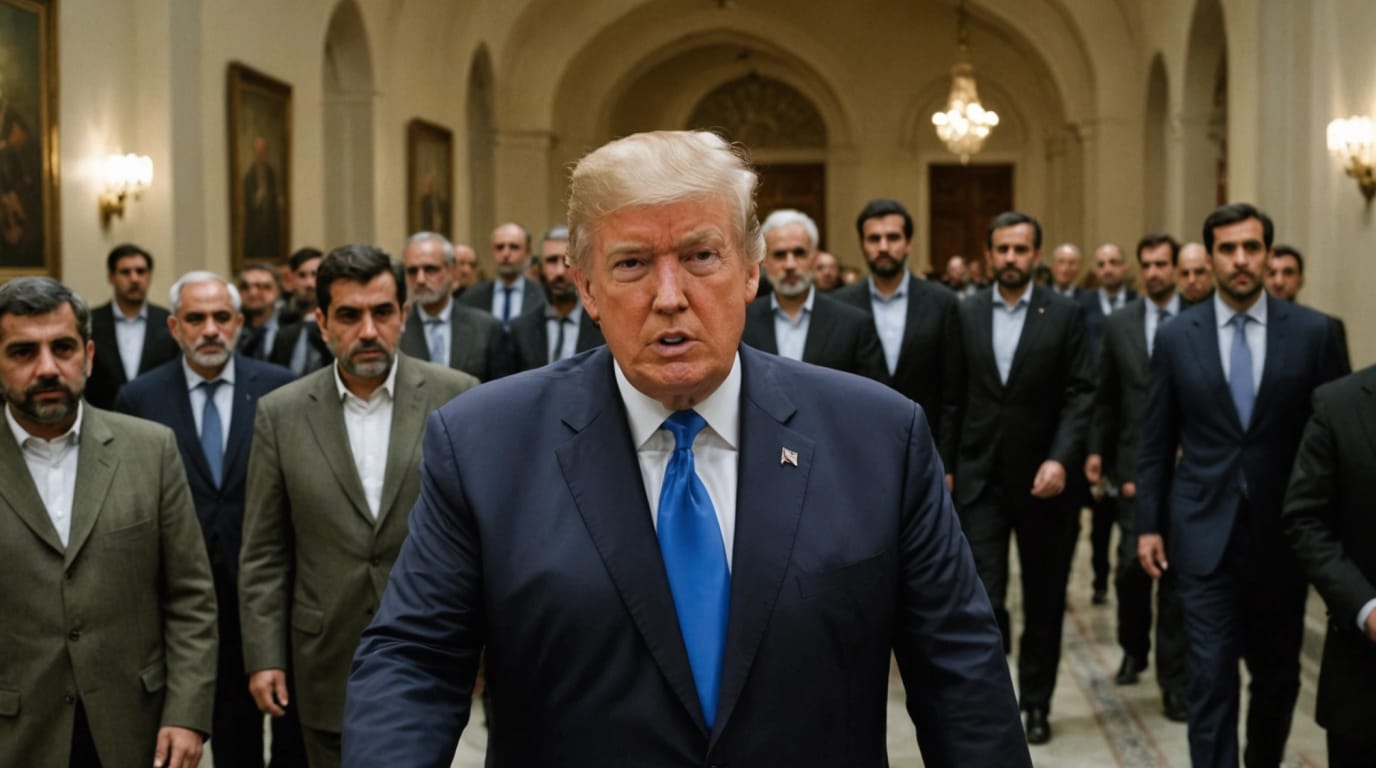
Tensions between the United States and Iran escalated sharply Sunday as Iranian President Masoud Pezeshkian rebuffed direct negotiations with the Trump administration regarding its nuclear program. The rejection arrived alongside a stark warning from U.S. President Donald Trump, who threatened military action, including potential bombings, if Tehran fails to agree to a new nuclear accord.
Indirect Talks Preferred
Pezeshkian, in a cabinet meeting address reported by the ISNA news agency, stated that Iran had responded to a letter from President Trump via Oman, rejecting direct talks but signaling openness to indirect negotiations. He emphasized that while Iran is not fundamentally opposed to negotiations, Washington must first address its past "misconduct" and rebuild trust, alluding to the U.S. withdrawal from the 2015 nuclear deal.
Trump's Ultimatum
Trump, in an interview with NBC News, ratcheted up the pressure, stating, "If they don't make a deal, there will be bombing." He further suggested the possibility of reimposing secondary tariffs, similar to those implemented during his first term, should negotiations fail. Earlier in March, Trump had reportedly sent a letter to Iran's Supreme Leader Ayatollah Ali Khamenei, demanding fresh negotiations or facing potential military confrontation.
Khamenei's Response
Khamenei has dismissed Trump's ultimatum, maintaining that Iran will only engage in talks through intermediaries. This stance reflects a deep-seated distrust of the U.S. administration following Trump's withdrawal from the 2015 nuclear deal, formally known as the Joint Comprehensive Plan of Action (JCPOA).
The JCPOA's Shadow
The 2015 agreement, brokered between Iran and world powers, placed limitations on Iran's nuclear activities in exchange for sanctions relief. Trump withdrew the U.S. from the deal in 2018, reimposing sanctions and initiating a "maximum pressure" campaign against Iran. In response, Iran has gradually rolled back its commitments under the JCPOA. The International Atomic Energy Agency (IAEA) has stated that Iran has amassed enough fissile material for multiple nuclear weapons, though Iran maintains its nuclear program is solely for peaceful purposes.
Potential Consequences
Analysts suggest that Iran may be only weeks away from having the capacity to produce a deliverable nuclear weapon. A military confrontation carries the risk of escalating into a wider regional conflict, potentially involving Israel. Gideon Saar, Israeli Foreign Minister, stated the need for a "reliable military option" to prevent Iran from weaponizing its nuclear program.
Economic Pressures
Trump's "maximum pressure" strategy during his first term significantly impacted Iran's economy, leading to a decline in oil exports and increased inflation. Ali Larijani, a senior advisor to Khamenei, and other economists in Tehran have stressed the urgency of addressing the issues with the United States to alleviate sanctions and stimulate economic growth.


