Iran's Deadly Crackdown: Official Casualty Figures Eclipsed by Grim Reality
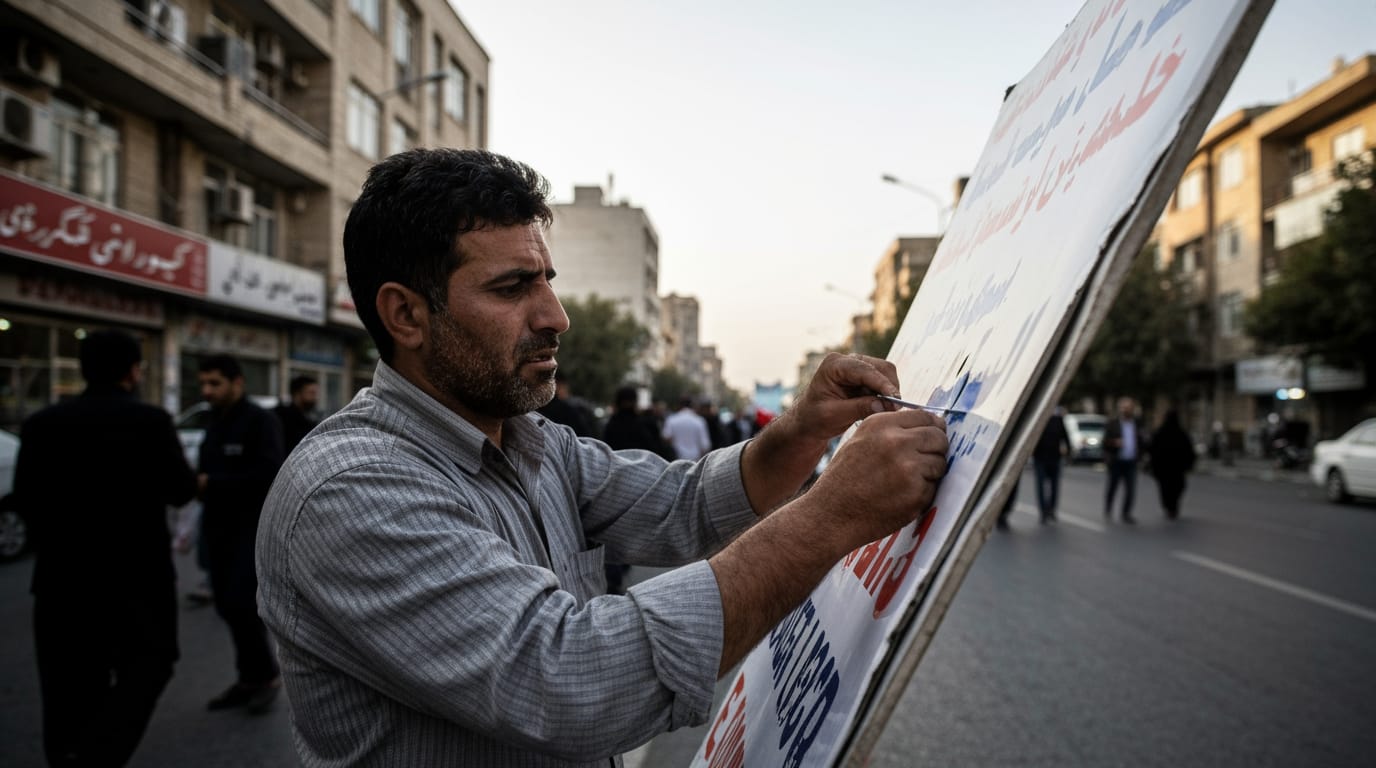
A profound and alarming disparity has emerged between the Iranian government's official accounting of casualties and figures reported by international human rights organizations and independent media following the recent wave of nationwide protests that commenced in late December 2025. As the Islamic Republic grapples with persistent unrest, sparked initially by economic grievances, the true human cost of the state's fierce suppression remains shrouded by an extensive information blackout and allegations of deliberate obfuscation, painting a far more brutal picture than authorities acknowledge.
The Widening Chasm in Casualty Counts
While Iran's National Security Council recently announced a death toll of 3,117, specifying that 2,427 of these were "innocent" individuals, including security forces, without providing a civilian breakdown, this figure stands in stark contrast to independent assessments. The Permanent Representative of Iran to the United Nations further asserted that 2,427 lives were lost "as a direct result of terrorist operations," attributing the violence to external factors. Supreme Leader Ali Khamenei also acknowledged "several thousand" deaths, blaming the United States and Israel for inciting the unrest.
However, reports from outside Iran paint a significantly grimmer scenario. Mai Sato, the UN Special Rapporteur on human rights in Iran, cited medical reports suggesting civilian deaths could be as high as 20,000 or more, with initial estimates placing the figure at 5,000 or more. The U.S.-based Human Rights Activist News Agency (HRANA), a group recognized for its consistent accuracy in tracking Iranian unrest, has verified 4,902 deaths since the late December outbreak, with an additional 9,387 suspected fatalities under review. Other reports from Iran International and CBS News, drawing on sources within the country including activist groups and medical officials, estimate the death toll to be between 12,000 and 20,000. These reports often detail extensive injuries, including gunshot wounds, and video evidence purportedly showing hundreds of bodies at a Tehran morgue. Beyond the fatalities, human rights groups indicate that over 26,000 people have been arrested in the widening crackdown.
The Fog of Information: A Deliberate Strategy
The vast discrepancies in casualty figures are largely attributed to the Iranian government's stringent control over information. A nationwide internet shutdown imposed from January 8, 2026, and preceding restrictions have severely hampered independent reporting and verification efforts. This communications blackout, described as a tool not only for security control but also for concealing the truth, has effectively isolated Iranians and prevented the international community from fully grasping the scale of the violence.
Journalists, both foreign and domestic, face significant obstacles, with reports of arrests, torture, and limitations on their ability to report freely. Inside Iran, mechanisms appear to be in place to actively obscure the true death toll. Accounts describe heavy security deployments around medical facilities, restrictions on families accessing their loved ones, and limits on how deaths are registered, all seemingly designed to prevent accurate data from emerging. There are also disturbing allegations that authorities have coerced families into falsely claiming deceased relatives were members of the Basij paramilitary or forcing payments for the retrieval of bodies. Such tactics make the meticulous work of human rights organizations, which rely on networks of activists, eyewitness testimonies, and contacts within hospitals and morgues, exceptionally challenging.
A Pattern of Repression: Echoes of Past Unrest
The current crisis echoes a similar pattern of state repression and contested casualty figures seen during the "Woman, Life, Freedom" protests of 2022-2023. Those demonstrations, ignited by the death of Mahsa Amini in police custody, saw hundreds killed and tens of thousands arrested. For that period, Iran Human Rights reported at least 551 deaths, including 68 children and 49 women, while HRANA tallied 537 fatalities. The Iranian government, in contrast, acknowledged only around 200 deaths from those earlier protests.
Across both waves of unrest, the state's response has involved the brutal and disproportionate use of force, including live ammunition, and the application or threat of the death penalty for those accused of participating in or inciting the protests. Human rights groups have condemned the "show trials" and lack of due process for arrested individuals. This consistent approach underscores a deliberate strategy by the Iranian authorities to quash dissent through overwhelming force and stringent information control.
International Alarm and Domestic Implications
The international community has voiced strong condemnation of the violence and the severe human rights violations. UN Human Rights Chief Volker Türk has expressed horror at the escalating violence, calling for an immediate halt to repression and full accountability for those responsible. The UN Human Rights Council has adopted a resolution extending mandates for a fact-finding mission and special rapporteur, urging an urgent investigation into the human rights abuses. The United Kingdom and the European Union are reportedly planning new sanctions targeting various Iranian industries in response to the crackdown.
Domestically, the government has maintained its narrative, dismissing protesters as "rioters" and "terrorists" allegedly motivated and supported by foreign adversaries like the U.S. and Israel. This rhetoric aims to delegitimize the widespread discontent, which, in the most recent instance, stemmed from deep-seated economic grievances, including inflation and rising prices. The targeting of human rights defenders and lawyers representing detained protesters further highlights the regime's efforts to suppress any challenge to its authority.
The stark and widening gap between official and independent casualty figures in Iran underscores a fundamental crisis of transparency and accountability. As protests continue to challenge the Islamic Republic, the severe human toll, deliberately obscured by state-imposed information blackouts and repressive tactics, remains a focal point of international concern. The sustained efforts by human rights organizations to document each life lost highlight the profound struggle for truth and justice in a nation where dissent is met with deadly force and the narrative is tightly controlled. The long-term implications of such widespread repression, both for the Iranian populace and the state's standing on the global stage, continue to unfold under a cloud of uncertainty and grave concern.


